
What Are the Vape Laws in Ohio?
Legal Age: Tobacco 21
Ohio law sets the minimum age to purchase, possess, or use vaping products at 21 years old. This includes all e-cigarettes, vape pens, electronic hookahs, and related accessories. Retailers must verify age with valid government-issued identification.
Sales, Packaging, and Retail Rules
Vaping products are subject to state excise taxes. Retailers must follow strict packaging requirements, including selling products in approved quantities. Sales to anyone under 21 are prohibited, which also covers giving or distributing products to minors. Vending machines selling vaping products must be inaccessible to under-21 individuals. Employees under 18 cannot sell vaping or nicotine products.
Use Restrictions: Where You Cannot Vape
Ohio’s smoke-free laws extend to vaping. Use of electronic smoking devices is banned in many indoor public places and workplaces. Public spaces must display signage indicating that vaping is prohibited alongside smoking.
Penalties for Violations
Selling to under-21 buyers can result in fines, misdemeanor charges, and potential jail time. Repeat violations carry stiffer penalties. Minors caught in possession may face fines, mandatory education programs, community service, or license suspension.
Why Ohio Enforces These Rules
Ohio enforces vaping laws to protect youth and the general public from nicotine exposure. By regulating sales, packaging, taxation, and retail licensing, the state aims to ensure safe and responsible access while keeping harmful or unregulated products off the market.
Harm Reduction: What It Means for Smokers
Harm reduction focuses on minimizing negative health impacts from risky behaviors, even if those behaviors continue. For smokers, this means using safer alternatives to combustible tobacco, reducing use, or eventually quitting altogether.

Vaping vs. Smoking: Relative Risk
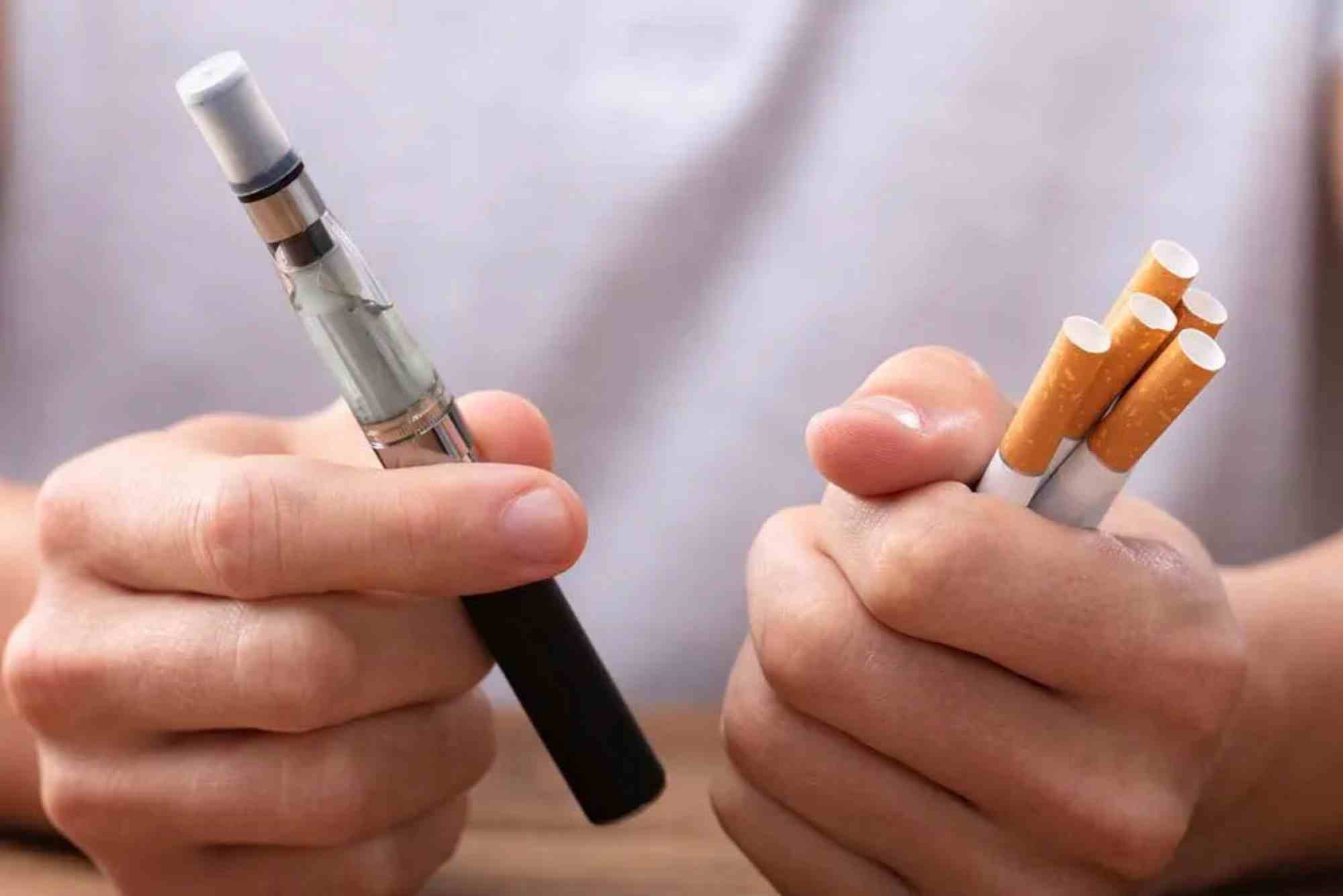
Vaping typically involves inhaling aerosolized nicotine instead of combusted tobacco smoke. While not risk-free, vaping can reduce exposure to many harmful chemicals present in traditional cigarettes. Switching to regulated vaping products may lower the risk of smoking-related disease.
How to Practice Vaping Harm Reduction Responsibly in Ohio
- Buy only from licensed and reputable retailers.
- Ensure legal age compliance (21+).
- Reduce nicotine strength gradually.
- Avoid vaping in prohibited indoor public spaces.
- Consider quitting entirely for maximum health benefits.
Challenges and Controversies
Flavored Vapes
Flavored vaping products have been a regulatory challenge. Some local bans have been overturned by state law, creating variation in product availability. Consumers must stay informed about which products are legal and safe.
Safety Concerns
Illegal or unregulated products can contain harmful chemicals. Using products from licensed retailers minimizes risks and ensures compliance with state regulations.
What Smokers Should Know
- Legal age for vaping in Ohio is 21.
- Purchase only from licensed retailers.
- Vaping is not risk-free; avoid illicit products.
- Follow harm-reduction practices to lower health risks.
- Respect smoke-free laws in public spaces.
FAQs
Can I legally vape at 18 in Ohio?
No. The legal age is 21 to purchase, possess, or use vaping products.
Are flavored vapes illegal in Ohio?
Not statewide. Local bans exist but are limited by state law.
What are the penalties for selling to someone under 21?
First offenses may result in fines and misdemeanor charges; repeat offenses carry higher fines and possible jail time.
Is vaping indoors allowed in public places?
No. Vaping is prohibited in most indoor workplaces, restaurants, bars, and other public venues.
Can minors possess a vape legally?
No. Minors cannot legally possess vaping products, even without purchasing them.
Understanding vape laws in Ohio is crucial for adult smokers. These regulations protect youth and promote responsible use, while harm-reduction strategies help smokers make safer choices.