Introduction
Vaping has become a major topic in public health and policy debates, especially as states like Maryland tighten regulations to protect youth while considering harm reduction for adult smokers. If you are a smoker in Maryland, or thinking about vaping to quit or reduce harm, understanding the legal landscape is essential.
This guide explains Maryland vape law, enforcement, and harm reduction, helping smokers make safer, informed choices. From age limits to flavor restrictions, you’ll gain a practical understanding of Maryland’s approach.
The Legal Framework: Maryland Vape Law
Minimum Age and Sales Restrictions
Maryland’s “Tobacco 21” law raised the minimum legal sales age for tobacco products, including vaping devices, to 21 years old. The law removed the previous military exemption, so no one under 21 may legally purchase vapes or tobacco products.
Retailers must verify age: if a buyer appears under 30, they must request a government-issued photo ID such as a driver’s license, state ID, or passport.
Licensing and Retail Compliance
Businesses selling vaping devices need proper licensing. There are licenses for vape shop vendors, electronic smoking device (ESD) retailers, and wholesalers or manufacturers. Retailers must post signs that prohibit sales to anyone under 21, and tobacco and vaping products must be kept behind the counter or in employee-only areas.
Penalties for violations can include fines, license suspension, or revocation.

Flavor Restrictions
Maryland targets flavored vaping products, particularly those appealing to youth. Disposable vaping devices and cartridges may only be sold in tobacco or menthol flavors; other flavors are restricted. These rules aim to reduce youth use while still allowing adult access to certain flavors.
Taxation
Maryland imposes taxes on vaping products:
- Electronic smoking devices are taxed at 20% of the retail price.
- Vaping liquids are taxed depending on size: containers 5 ml or less are taxed at 60%, while larger containers are taxed at 20%.
Higher taxes may influence decisions about switching to vaping.
Smoke-Free and Vapor-Free Spaces
Under Maryland’s Clean Indoor Air Act, vaping is prohibited in almost all indoor public places. No vaping is allowed in workplaces, public meeting spaces, indoor vehicles, or near entrances to public buildings.
Enforcement and Penalties
Selling or offering vapes to anyone under 21 is a civil offense. Fines include $300 for a first violation, $1,000 for a second violation within 24 months, and $3,000 for subsequent violations. Retailers can defend themselves if they checked a valid ID. Local officials and health department designees can issue citations.
Harm Reduction: Why It Matters for Smokers
What Is Harm Reduction?
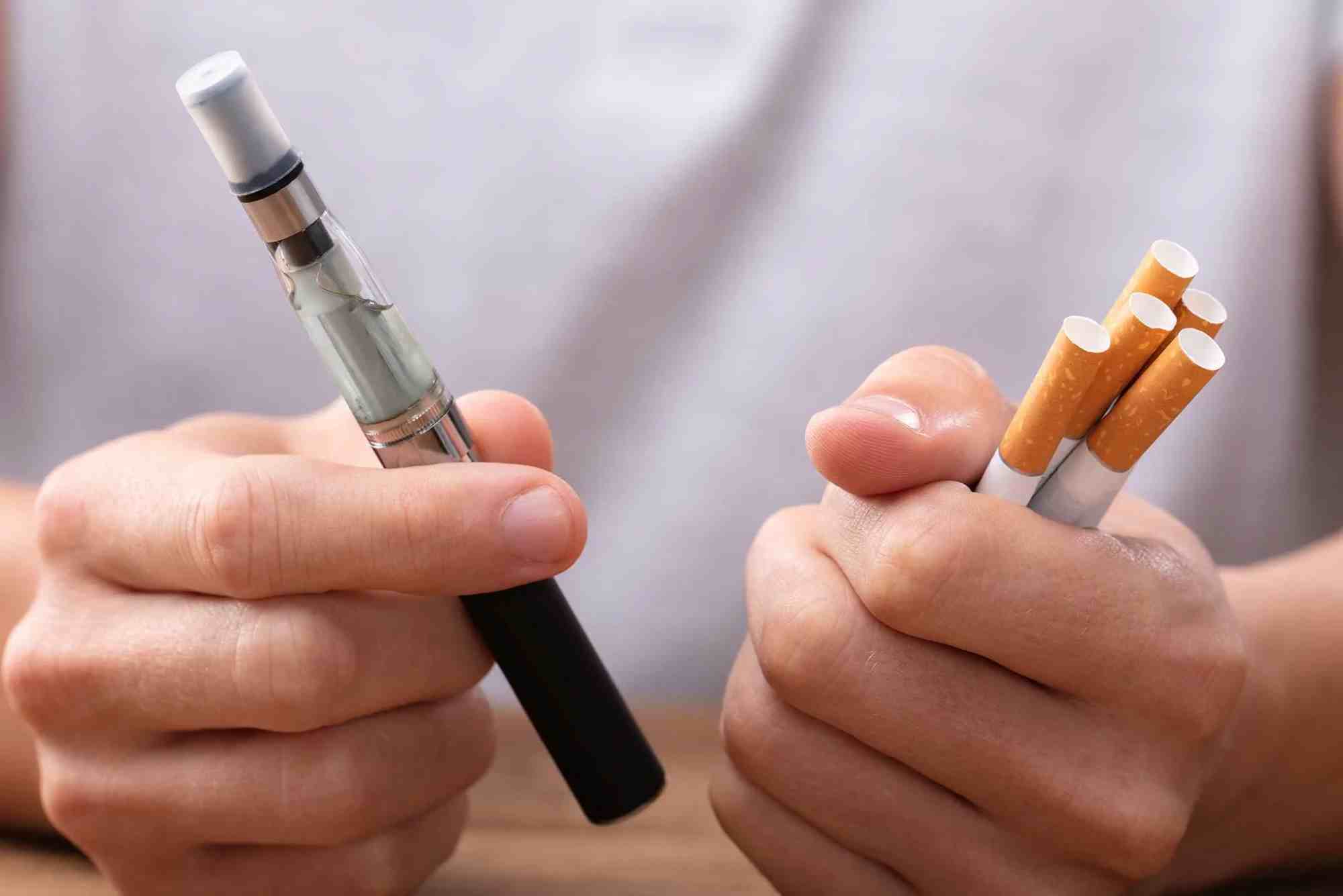
Harm reduction aims to minimize negative health outcomes from risky behaviors rather than insisting on total cessation. For vaping, this means offering adult smokers alternatives that are less harmful than combustible tobacco.
Vaping vs Smoking: A Safer Alternative
For adult smokers, switching to vaping can reduce exposure to harmful byproducts like tar and carbon monoxide. While not risk-free, vaping is generally considered less harmful than smoking.
Maryland’s Role in Safer Alternatives
Maryland’s vaping laws, while strict, acknowledge harm reduction. Regulated products are available for adults, while youth access is limited. Support programs like the Maryland Tobacco Quitline provide counseling and nicotine replacement therapy to aid cessation.
Practical Advice for Smokers Considering Vaping
- Use regulated devices from licensed retailers.
- Choose appropriate nicotine strength and reduce gradually.
- Use vaping as a transition tool alongside counseling.
- Be aware of flavor restrictions and choose compliant products.
- Consider tax costs as part of your vaping budget.
Risks and Limitations
- Vaping devices are not FDA-approved cessation tools, though they can help some smokers quit.
- Nicotine dependence may persist if dosage is not managed.
- Long-term health effects are still being studied.
- High taxes may reduce cost advantages compared to cigarettes.
Putting It All Together
Maryland’s vaping regulations balance youth protection with harm reduction for adult smokers. Adults can access safer alternatives while following the law. Maryland Department of Health — vaping regulations Understanding these regulations allows smokers to navigate vaping responsibly and reduce health risks.
Maryland’s vape law protects young people while allowing adult smokers access to safer alternatives. By combining regulation with support programs, the state creates an environment where vaping can serve as a harm-reduction strategy.
FAQs
What is the legal age to buy vapes in Maryland?
You must be 21 years or older to purchase vaping devices or e-liquids.
Are flavored vaping products banned in Maryland?
Disposable devices and pods with flavors other than tobacco or menthol are restricted.
Can I vape indoors in Maryland public places?
No. Maryland prohibits vaping in nearly all indoor public spaces.
Do I need a special license to sell vapes in Maryland?
Yes. Retailers need an electronic smoking device license, and vape shops may need additional licensing.
Are there penalties for selling vapes to under-21s?
Yes. Violations can lead to fines, license suspension, or revocation.
Can vaping help me quit smoking?
Vaping can be part of a harm-reduction strategy, especially when combined with counseling or nicotine replacement therapy.