

Introduction
If you’re a smoker, you’ve likely heard about the Tobacco 21 law and the concept of “harm reduction” in tobacco use. Whether you’re still smoking, thinking of switching to vaping, or want to reduce risk, it’s essential to understand both legal and practical changes. In this article we’ll explore how the Tobacco 21 law affects access to vapes and other nicotine products, and how harm‑reduction strategies might apply to you. We’ll use the keyword 21 vape law naturally throughout so you can better understand how the regulation and risk‑reduction overlap.
What Is the Tobacco 21 Law?
The Basics of the Law
The Tobacco 21 law refers to legislation raising the minimum legal age for purchasing tobacco and nicotine products to 21. At the federal level in the U.S., the law is enforced by regulatory authorities.
What Products Are Covered?
Under the law:
- All tobacco products, including cigarettes, cigars, smokeless tobacco, and hookah tobacco
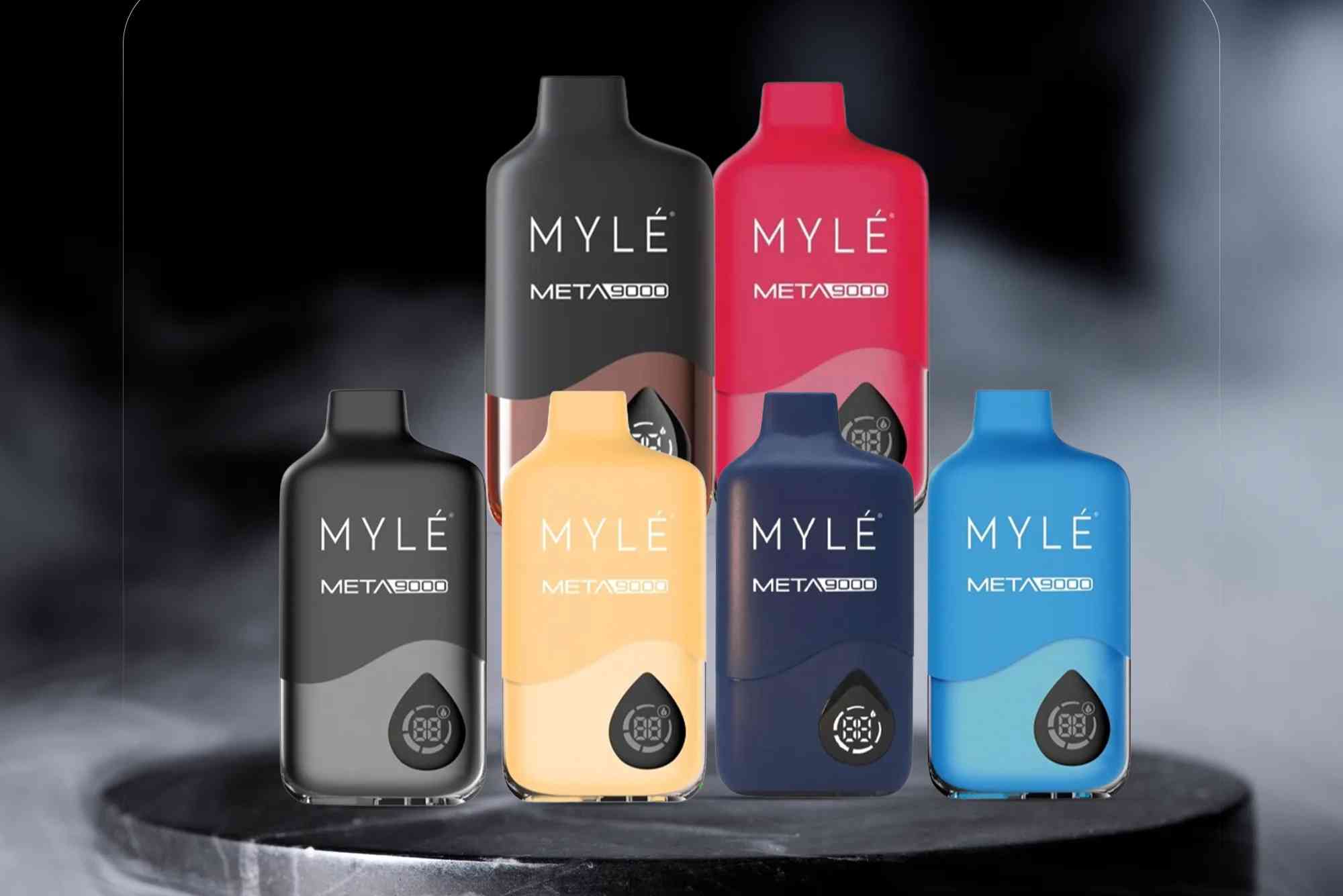
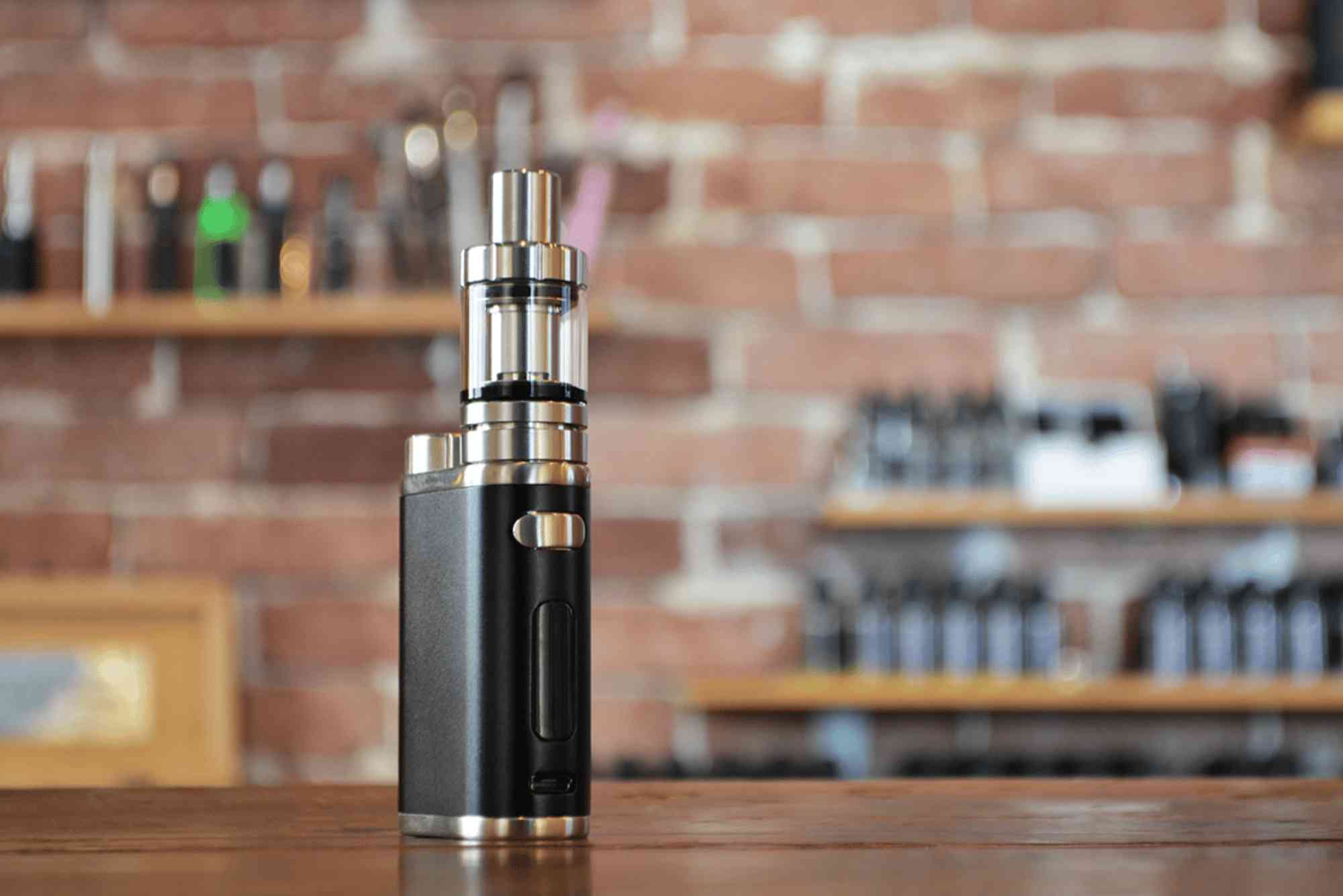
- Electronic nicotine delivery systems (ENDS), such as e‑cigarettes, vapes, and their liquids
Thus, when we discuss 21 vape law, it covers vapes as well as traditional tobacco.
Why Was It Introduced?
Most adult smokers begin smoking before age 21. By raising the minimum sale age, the aim is to reduce youth access, block peer‑to‑peer supply, and ultimately reduce initiation. State‑level studies show that T21 laws reduce self‑reported initiation among 18‑20 year‑olds.
How Is It Enforced?
Retailers must check valid photo ID from anyone under age 30 and must refuse sales to anyone under 21.

How the 21 Vape Law Impacts Smokers and Vapers
Access and Age Restrictions
Since the age of sale is 21, anyone under 21 cannot legally buy vapes or nicotine products. For smokers above 21, the law doesn’t restrict purchase, but it changes how retailers manage age verification.
Implications for Vaping Products
Vaping devices and e‑liquids fall under the same age rule. That means the “21 vape law” effectively limits the market for under‑21s, reducing youth access.
Spill‑over Effects for Adult Smokers
For adult smokers above 21, the law may indirectly affect product availability or marketing. Also, as youth access declines, societal support for stronger regulation may grow.
Evidence of Effectiveness
Research shows that raising the legal age reduces cigarette and nicotine initiation in young adults. Studies indicate notable reductions in initiation among 18‑to‑20 year‑olds. However, some evidence suggests self-reports may not always match actual exposure.
What is Harm Reduction?
Concept and Relevance
Harm reduction means reducing the health risks of a behaviour when cessation is not feasible. With smoking, the highest risk comes from combustible tobacco. For smokers who cannot quit immediately, switching to less harmful alternatives may reduce risk.
Vaping as a Harm‑Reduction Tool
For adult smokers of combustible cigarettes, evidence suggests switching exclusively to vapes can significantly reduce exposure to many toxicants. Tobacco 21 resource (federal/state) — age-of-sale guidance Reviews indicate that vaping poses a small fraction of the risks of smoking over the short and medium term.
Important Caveats
- Harm reduction is not risk‑free: Vaping still carries unknown long‑term risks and is not safe for never‑smokers or youth
- Dual use (smoking + vaping) is less clear: Overall benefit is uncertain
- The goal remains quitting nicotine entirely or reducing to minimal risk
How the 21 Vape Law and Harm Reduction Interact
For Smokers Considering Switching
If you’re a smoker (age 21 or older) and you’re thinking about switching to vaping:
- The “21 vape law” ensures age controls but does not forbid adult access to vapes
- Regulatory oversight can support informed adult decisions
- Awareness of laws may mean safer product choices
Key Steps for Maximising Harm Reduction
- Switch completely from combustible cigarettes
- Choose regulated products and purchase from reliable sources
- Aim to reduce nicotine use over time
- Avoid vaping if you’re under 21
Policy Effects on Harm‑Reduction Choices
By restricting youth access, the 21 vape law shifts the market toward adult-only access. This supports harm reduction by encouraging informed adult decisions rather than widespread youth use.
Practical Tips for Smokers Under the New Environment
What Adult Smokers Should Know
- If you’re 21 or above, ask whether quitting completely is possible
- Educate yourself on the law and your local regulations
- Seek support: behavioural support plus product choice improves outcomes
What Adults Under 21 Need to Know
- Cannot legally purchase vapes or nicotine/tobacco products
- Focus on quitting smoking entirely rather than delaying or switching
- The age period below 21 is sensitive for lifelong addiction risk
FAQs
What is the minimum legal age to buy vapes in the U.S.?
The minimum age is 21 years for tobacco and nicotine products, including vapes.
Does the Tobacco 21 law apply to e‑cigarettes and vapes?
Yes — the law covers electronic nicotine delivery systems as part of tobacco products.
Can adult smokers benefit from switching to vaping?
Yes — smokers who completely switch to vaping have lower exposure to many harmful substances than continuing combustible smoking.
Is vaping safe for people who have never smoked?
No — harm‑reduction evidence applies to smokers. Vaping is not recommended for never‑smokers, especially youth.
What does “harm reduction” mean when talking about smoking?
It means strategies that reduce health risks when quitting is not immediately feasible.
The intersection of the 21 vape law and harm‑reduction strategies offers an important opportunity for adult smokers. By understanding that the law raises the age of access and that harm reduction means making safer choices, you can make informed decisions about nicotine use.