

Introduction
Vaping has rapidly grown in popularity over the past decade, particularly among younger adults drawn to novelty designs and pop culture branding. One of the latest trends is Rick and Morty vapes, inspired by the hit animated series. However, while these vapes may seem fun and harmless, they come with legal and health considerations that every smoker should know. In this guide, we’ll explore whether Rick and Morty vapes are legal, the role of harm reduction, and essential safety tips for smokers considering alternatives to traditional cigarettes.
Understanding Rick and Morty Vapes
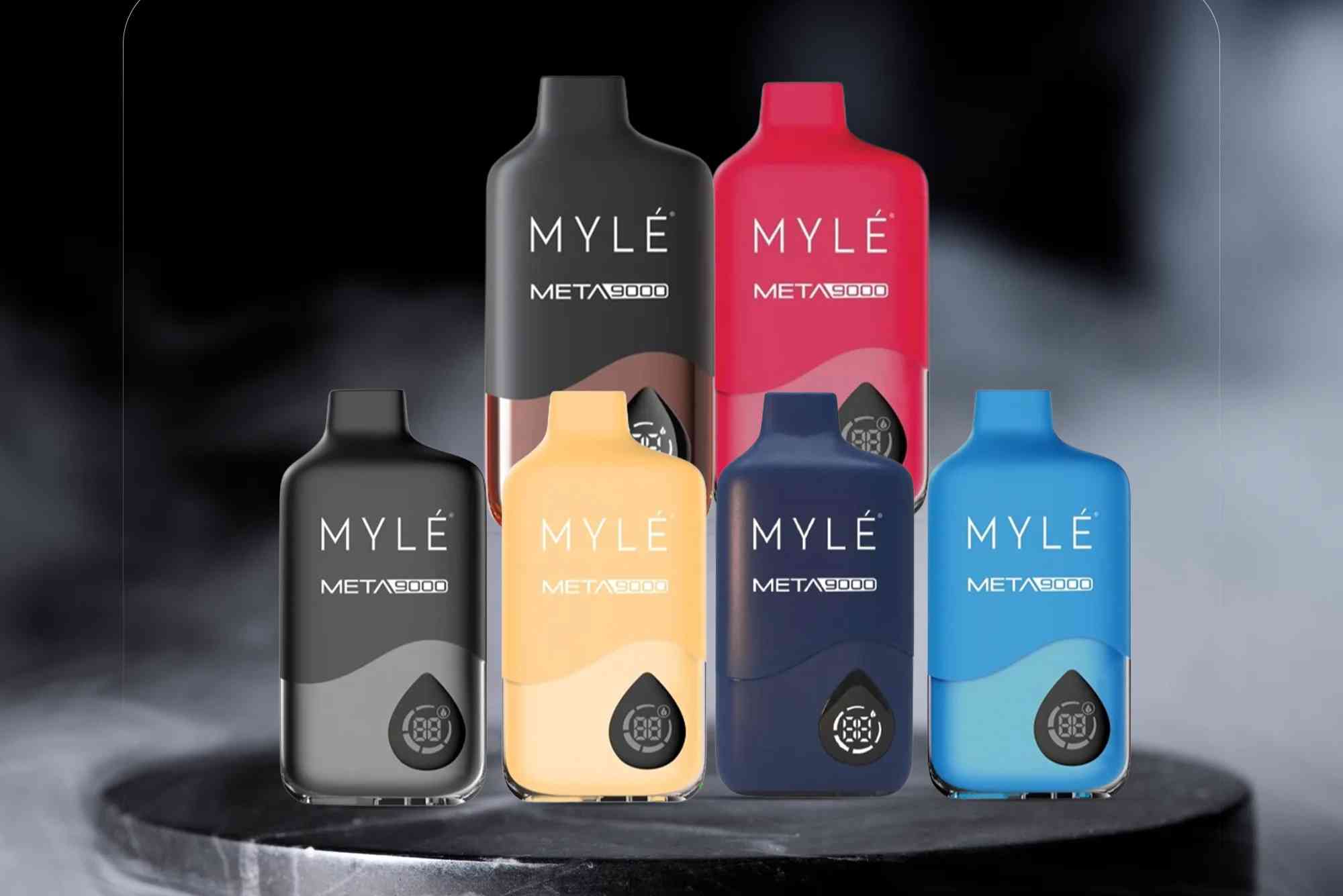
Rick and Morty vapes are often designed as disposable e-cigarettes or refillable devices featuring characters and artwork from the popular show. Their colorful branding and accessible price points make them highly appealing, particularly to younger audiences. However, this popularity raises questions regarding authenticity, safety, and legality.
What Makes Them Different?
Unlike standard e-cigarettes, Rick and Morty vapes are often produced by third-party manufacturers, sometimes without proper regulatory approval. While the design is playful, the substances inside the device—typically nicotine salts—remain potent and potentially harmful. The combination of high nicotine concentration and unverified manufacturing standards can increase health risks, especially if used frequently.
Popularity vs. Safety
The marketing of these vapes often blurs the line between harmless merchandise and consumable nicotine products. Users may be drawn to the novelty but overlook the potential dangers associated with counterfeit or unregulated products. For this reason, understanding the legal framework around these devices is crucial.
Are Rick and Morty Vapes Legal?
The legality of vapes varies significantly depending on jurisdiction. In many countries, including the United States, vaping products are heavily regulated to protect public health. The U.S. Food and Drug Administration (FDA) oversees all tobacco and nicotine-containing products and issues FDA product safety alerts branded counterfeit product guidance to help consumers identify potentially dangerous items.
Federal Regulations
In the U.S., all vaping products, including Rick and Morty vapes, must comply with the Family Smoking Prevention and Tobacco Control Act. This includes premarket authorization, proper labeling, and age verification for sales. Unregulated or counterfeit products may violate these laws, making them illegal for sale or distribution.

State and Local Laws
Even if a product is federally approved, state or local laws can further restrict its sale. Some states have banned flavored e-cigarettes to reduce youth appeal, while others have strict age limits and taxation policies. For example, selling a Rick and Morty vape in a state where flavored vaping products are prohibited could be illegal, even if the device itself meets federal requirements.
Risks of Counterfeit Products
Many Rick and Morty vapes sold online or through unverified retailers may be counterfeit. These products often lack quality control, proper labeling, and safety testing, increasing the risk of contamination or device malfunction. Users should always check for regulatory approval and consult FDA product safety alerts branded counterfeit product guidance when unsure about a product’s legitimacy.
Harm Reduction: A Smoker’s Perspective
Harm reduction refers to strategies that aim to minimize the health risks associated with smoking, rather than focusing solely on cessation. For smokers who are considering switching to vaping, understanding harm reduction principles can be life-saving.
Switching from Cigarettes to Vapes
Numerous studies indicate that vaping may be less harmful than traditional combustible cigarettes, primarily because it eliminates tar and other harmful combustion byproducts. Switching from cigarettes to regulated vaping products can significantly reduce exposure to toxic chemicals, although it is not risk-free.
Choosing Safer Vaping Products
Not all vapes are created equal. Opting for regulated devices, verified e-liquids, and avoiding high-nicotine concentrates can reduce health risks. Smokers should prioritize reputable brands over novelty designs and verify regulatory compliance. Even popular novelty products like Rick and Morty Vapes Illegal carry higher risks if unregulated or counterfeit.
Frequency and Usage Patterns
Harm reduction also involves moderation. Users who switch entirely from smoking to vaping should aim to gradually reduce nicotine consumption over time. Excessive use, even of legitimate products, can still cause cardiovascular stress, respiratory issues, or nicotine dependence.
Safety Tips for Users
Ensuring personal safety while using any vaping product requires vigilance. Here are some practical steps for smokers considering Rick and Morty vapes:
- Verify the source: Purchase from licensed retailers or official distributors to reduce the risk of counterfeit products.
- Check for FDA compliance: Review regulatory guidance, including FDA product safety alerts branded counterfeit product guidance, to ensure legitimacy.
- Inspect devices: Avoid damaged, tampered, or poorly packaged vapes, which can increase the risk of device malfunction or chemical exposure.
- Monitor usage: Track nicotine intake and avoid excessive consumption to prevent addiction and adverse health effects.
By following these precautions, smokers can enjoy vaping while minimizing harm.
Public Health Concerns
While vaping is often marketed as a safer alternative, public health authorities remain cautious, especially regarding youth exposure. Novelty vapes like Rick and Morty designs may unintentionally appeal to underage users. This raises ethical concerns about marketing practices and highlights the importance of regulation and consumer awareness.
Youth Access
Many surveys indicate that teens are more likely to try vapes featuring pop culture characters. This trend underscores the need for stringent age verification, parental guidance, and educational campaigns to prevent early nicotine addiction.
Long-Term Health Effects
Research on long-term vaping health effects is still ongoing. While vaping reduces exposure to certain harmful chemicals compared to smoking, inhaling nicotine and flavoring chemicals over years may still pose respiratory, cardiovascular, or developmental risks. Awareness and moderation remain critical for harm reduction.
Navigating Legal and Health Risks
Smokers considering Rick and Morty vapes should approach the decision carefully. Legal compliance, product authenticity, and personal health should guide choices. Following regulatory guidance and consulting credible sources ensures informed decision-making.
Regulatory Compliance Checklist
- Ensure products are premarket authorized by FDA or relevant authorities.
- Avoid counterfeit or unverified devices.
- Verify labeling and ingredient transparency.
- Follow local laws regarding sale, possession, and usage.
Health Risk Management
- Use lower-nicotine products to reduce dependence.
- Monitor health and consult healthcare providers if experiencing adverse effects.
- Avoid dual use with combustible cigarettes to maximize harm reduction.
What Every Smoker Should Do
Rick and Morty vapes may be attractive and convenient, but legality and health considerations cannot be overlooked. Understanding federal and state regulations, avoiding counterfeit products, and following harm reduction principles are essential for safe vaping. Smokers who wish to transition to vaping should prioritize regulated devices and moderation to minimize risk.
For those seeking more information about product safety and counterfeit warnings, reviewing FDA product safety alerts branded counterfeit product guidance is highly recommended.
Switching from smoking to vaping can be a step toward harm reduction—but it requires informed choices and responsible use. Stay educated, stay safe, and make decisions that protect both your health and your legal standing.
FAQs
Are Rick and Morty vapes legal in the U.S.?
Their legality depends on federal and state regulations. Only FDA-authorized and properly labeled products are legal. Counterfeit or unregulated products are illegal.
Can Rick and Morty vapes help me quit smoking?
They can be part of harm reduction, but success varies. Using regulated vaping products and gradually reducing nicotine is key.
Are flavored vapes like Rick and Morty designs banned?
Some states restrict flavored e-cigarettes. Check local laws to ensure compliance.
How can I identify a counterfeit Rick and Morty vape?
Look for FDA approval, official packaging, and buy from licensed retailers. Reference FDA product safety alerts branded counterfeit product guidance for guidance.
Is vaping safer than smoking cigarettes?
Vaping reduces exposure to harmful combustion chemicals, but it still carries risks. Responsible use and moderation are essential for harm reduction.