
Introduction
Vaping has become a significant topic in public health discussions, particularly for smokers seeking safer alternatives. Understanding Law no smoke vape pen and Harm Reduction: What Every Smoker Should Know is crucial for anyone considering the shift from traditional cigarettes to vaping devices. This guide examines legal frameworks, health implications, and practical harm reduction strategies that every smoker should know.
Understanding Vape Pens and Their Legal Status
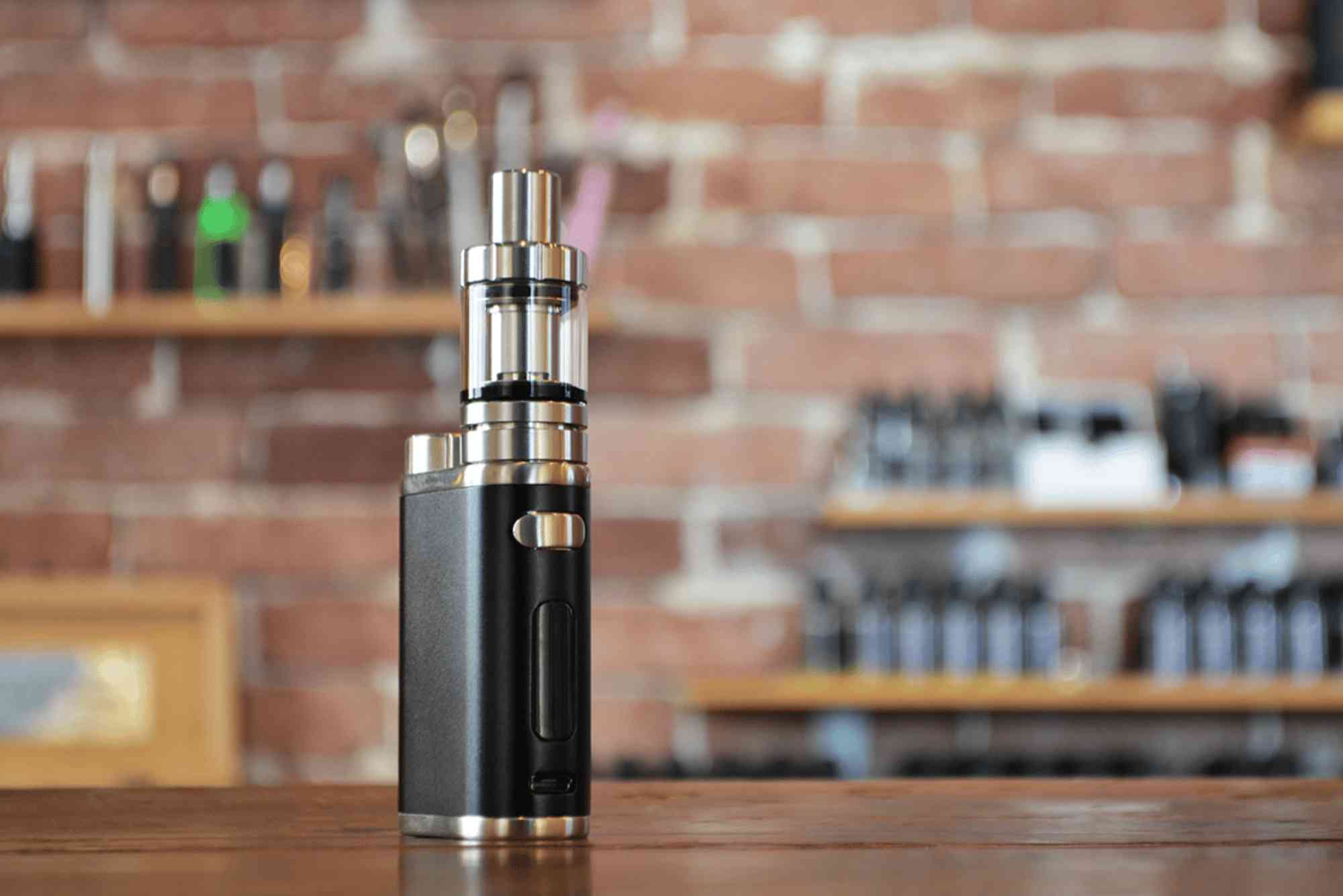
Vape pens, or electronic cigarettes, are devices that heat a liquid containing nicotine, flavorings, and other chemicals to produce an inhalable vapor. Unlike traditional cigarettes, they do not burn tobacco, reducing exposure to harmful tar and many carcinogens. However, the legality of vape pens varies across countries and even local jurisdictions.
National and Local Laws on Smoke-Free Alternatives
Governments worldwide have taken different approaches to regulating vape pens. Some treat them as tobacco products, applying the same restrictions, while others classify them separately to encourage harm reduction. Smoke-free laws often prohibit indoor smoking in workplaces, restaurants, and public spaces. In some regions, these laws have been expanded to include vape pens, while in others, exceptions exist for harm reduction devices. For detailed guidance, resources like Smoke-free national local legislation resource example gov pages provide updated information.
Age Restrictions and Sales Regulations
Many countries impose age limits on the sale of vape pens, usually 18 or 21 years old. Retailers must verify age, and online sales often include identity checks. In addition, some jurisdictions restrict the types of liquids sold, limiting nicotine concentration and banning flavors appealing to youth. Awareness of these rules is essential to stay compliant and avoid fines.
Harm Reduction Principles for Smokers
Harm reduction refers to strategies designed to decrease the negative health impacts of smoking without necessarily requiring complete cessation. Vape pens are considered a core harm reduction tool for smokers who cannot or do not wish to quit immediately.
Switching from Cigarettes to Vape Pens
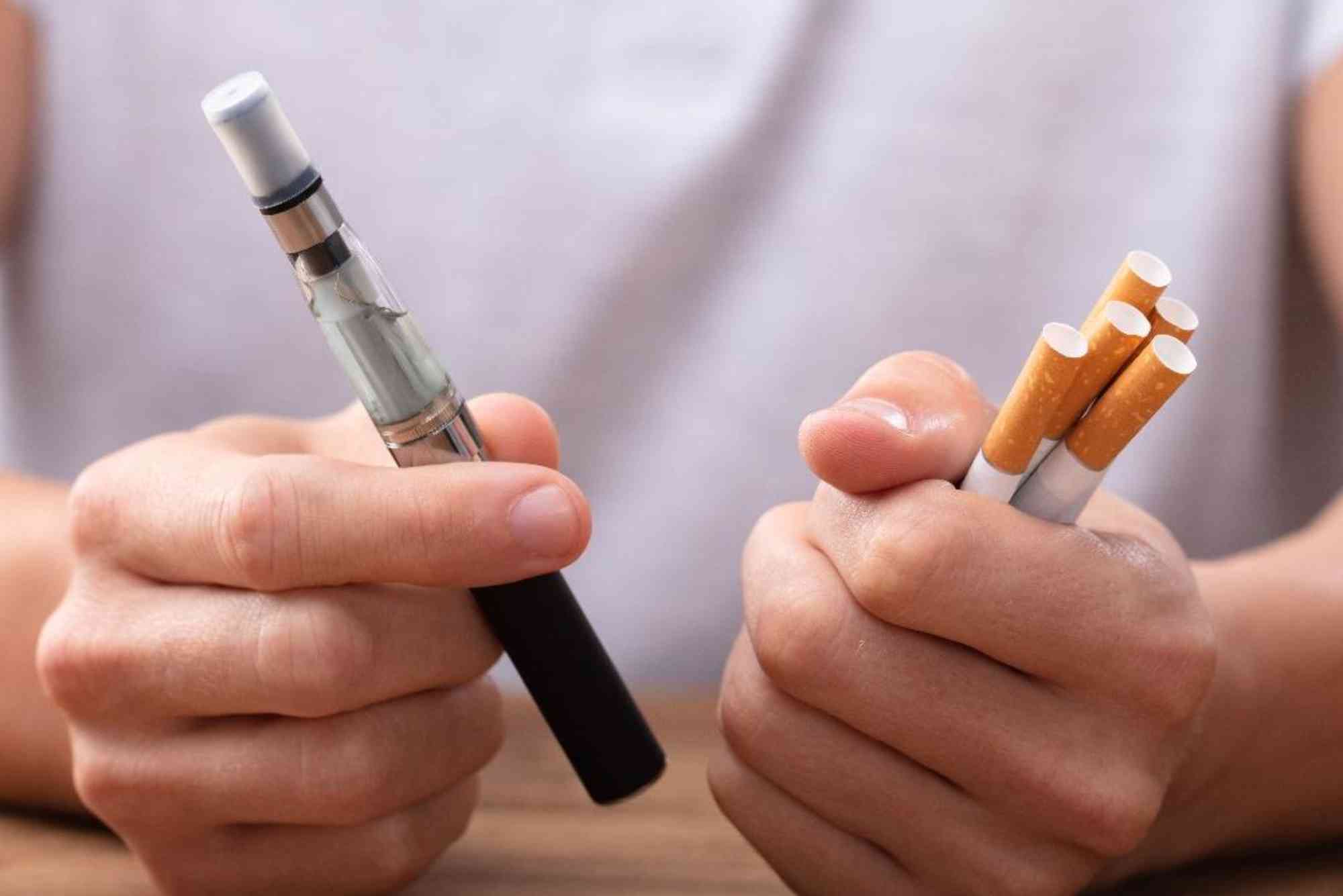
Switching to vape pens reduces exposure to smoke-related toxins significantly. While vaping is not entirely risk-free, scientific studies suggest it carries a fraction of the harm compared to combustible tobacco. Smokers who transition gradually may experience fewer respiratory issues, better cardiovascular health, and improved quality of life.

Choosing Safer Vape Products
Not all vape pens are created equal. Devices with regulated heating elements, consistent nicotine delivery, and reputable liquid sources are safer. Avoid black-market or unregulated devices, as they may contain harmful metals, contaminants, or improperly mixed e-liquids. Selecting quality products is a key part of harm reduction.
Reducing Nicotine Dependency
Vape pens allow users to control nicotine intake gradually. Smokers can start with higher concentrations and reduce over time, helping minimize dependency. This gradual reduction is often more successful than abrupt cessation for long-term quitting.
Health Implications of Vaping
Understanding the health effects of vaping is essential for informed decision-making. Research continues, but current evidence points to vaping being less harmful than smoking.
Respiratory and Cardiovascular Effects
Vaping eliminates many harmful byproducts of combustion, such as tar and carbon monoxide. Users may experience improved lung function and reduced coughing compared to smoking. Cardiovascular strain is also lower, but long-term studies are ongoing.
Potential Risks and Side Effects
Despite lower risks, vaping carries some concerns. Nicotine addiction remains a factor, and some individuals may experience throat irritation or mild coughing. Certain flavorings may cause respiratory irritation if used excessively. Awareness of these risks ensures users make safer choices.
Understanding Nicotine Levels
Nicotine is addictive but not the primary cause of smoking-related diseases. Choosing the appropriate concentration and avoiding overconsumption helps users manage cravings without unnecessary exposure. Many users find that tapering nicotine levels over time supports complete cessation.
Social and Environmental Considerations
Vaping also impacts social behavior and the environment. Smoke-free laws aim to protect non-smokers from second-hand exposure, but vapors from vape pens are significantly less harmful than cigarette smoke. Many public spaces now include vaping policies alongside smoking bans.
Vaping Etiquette in Public Spaces
Even when legal, considerate use of vape pens is essential. Avoid vaping in crowded indoor areas or around children. Respect local rules, as violations may lead to fines or confiscation of devices.
Reducing Environmental Impact
Traditional cigarette butts contribute heavily to environmental pollution. Vape pens reduce this waste, though proper disposal of cartridges and batteries is crucial to minimize environmental harm. Users are encouraged to recycle components when possible.
The Role of Policy in Harm Reduction
Government policies play a critical role in promoting harm reduction. Legislation that distinguishes between combustible tobacco and safer alternatives supports public health goals. Educating smokers on these distinctions helps individuals make informed choices without legal repercussions.
Supporting Smoke-Free Legislation
Smokers and vapers alike benefit from laws designed to protect health while allowing safer alternatives. Participating in public consultations and understanding local regulations empowers users to advocate for responsible policies.
Collaboration with Health Organizations
Collaboration between governments and health organizations, such as the World Health Organization, provides guidance on best practices. Resources like Smoke-free national local legislation resource example gov pages offer comprehensive, up-to-date information for both consumers and policymakers.
Practical Tips for Smokers Considering Vape Pens
Transitioning from smoking to vaping requires practical strategies to maximize benefits.
Start Gradually
Begin by replacing a portion of cigarettes with a vape pen. Gradually increase vaping while decreasing traditional cigarette use. This approach minimizes withdrawal symptoms.
Monitor Your Nicotine Intake
Keep track of nicotine levels to avoid overconsumption. Many devices allow users to adjust settings for personalized control.
Maintain Device Hygiene
Clean your vape pen regularly to prevent bacterial buildup and maintain consistent performance. Replace coils and cartridges as recommended.
Stay Informed
New research emerges regularly. Stay updated on health studies, regulatory changes, and product recalls to make informed decisions.
Understanding Law no smoke vape pen and Harm Reduction: What Every Smoker Should Know equips smokers with the knowledge to make safer choices. Vape pens offer a significant reduction in exposure to harmful chemicals, but careful product selection, adherence to laws, and gradual nicotine management are essential. Embracing harm reduction strategies not only improves personal health but also contributes to a cleaner environment and more responsible public spaces.
For smokers ready to explore alternatives, consult reputable sources, follow local regulations, and consider gradual transitions. Harm reduction is achievable when informed choices guide the journey from smoking to safer options.
Take control of your health today. Explore reputable vape pens, stay informed about smoke-free legislation, and join the growing community embracing safer alternatives. Learn more at Smoke-free national local legislation resource example gov pages.
FAQ
Is vaping completely safe compared to smoking?
Vaping is not entirely risk-free but is significantly less harmful than smoking combustible tobacco.
Can I use vape pens indoors where smoking is banned?
This depends on local laws. Some regions allow vaping indoors while others include it in smoke-free regulations.
How do I choose a safe vape pen?
Select devices with regulated heating, quality e-liquids, and reputable manufacturers. Avoid unregulated or black-market products.
Can vape pens help me quit smoking?
Yes, vape pens allow gradual nicotine reduction, which can support smoking cessation for many users.
Are there environmental benefits to using vape pens?
Yes, vape pens produce less litter than cigarette butts, though proper disposal of cartridges and batteries is necessary.