
Introduction
The vaping landscape in Texas has changed dramatically over the past few years. From retail restrictions to age limits and labeling rules, Texas law on vapes continues to evolve. For smokers considering switching to e-cigarettes as a less harmful alternative, understanding these laws is essential. This guide explores Texas vape laws, harm reduction principles, and what every smoker in the Lone Star State needs to know before buying or using vape products.
Understanding Texas Law on Vapes
Texas regulates the sale, distribution, and use of electronic cigarettes under various state laws. These laws aim to protect youth while balancing adult access to tobacco harm reduction tools.
Age Restrictions and Purchase Rules
In Texas, the legal age to purchase or possess any vaping product is 21 years old. This aligns with federal law, which raised the minimum tobacco purchase age nationwide in 2019. Retailers are required to verify age using government-issued identification. Selling vapes to minors can result in hefty fines, license suspension, or permanent revocation for repeat offenders.
Where You Can and Cannot Vape
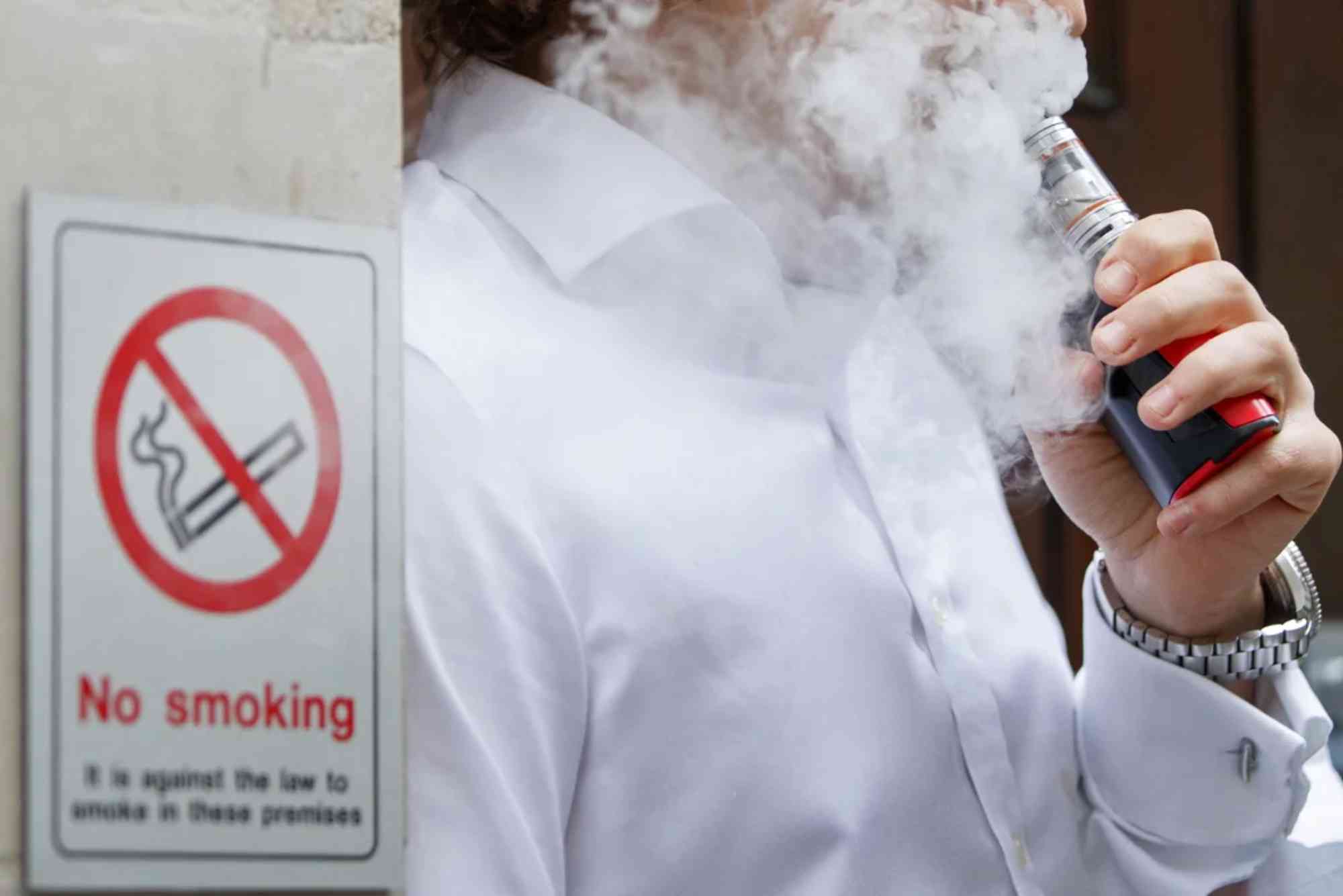
Public vaping in Texas is not universally banned, but many cities and counties have local ordinances restricting vaping in certain areas. For instance, places like Austin, Houston, and San Antonio include e-cigarettes in their clean air laws, prohibiting use in enclosed public spaces such as restaurants, bars, and workplaces.
It’s always wise to check with local authorities before vaping indoors or in public areas. Violations can lead to fines or warnings depending on city regulations.
Packaging, Labeling, and Product Rules
Texas law requires vape manufacturers and retailers to comply with federal labeling standards, including nicotine warnings and ingredient listings. Products must display the statement: “This product contains nicotine. Nicotine is an addictive chemical.”

In addition, online sales to Texas residents are restricted by delivery verification requirements. Retailers must verify age at the point of delivery and maintain purchase records for at least two years.
You can explore the official state guidelines on the Texas DSHS / Texas Legislature — e-cig regulations website for up-to-date details.
Harm Reduction and Vaping in Texas
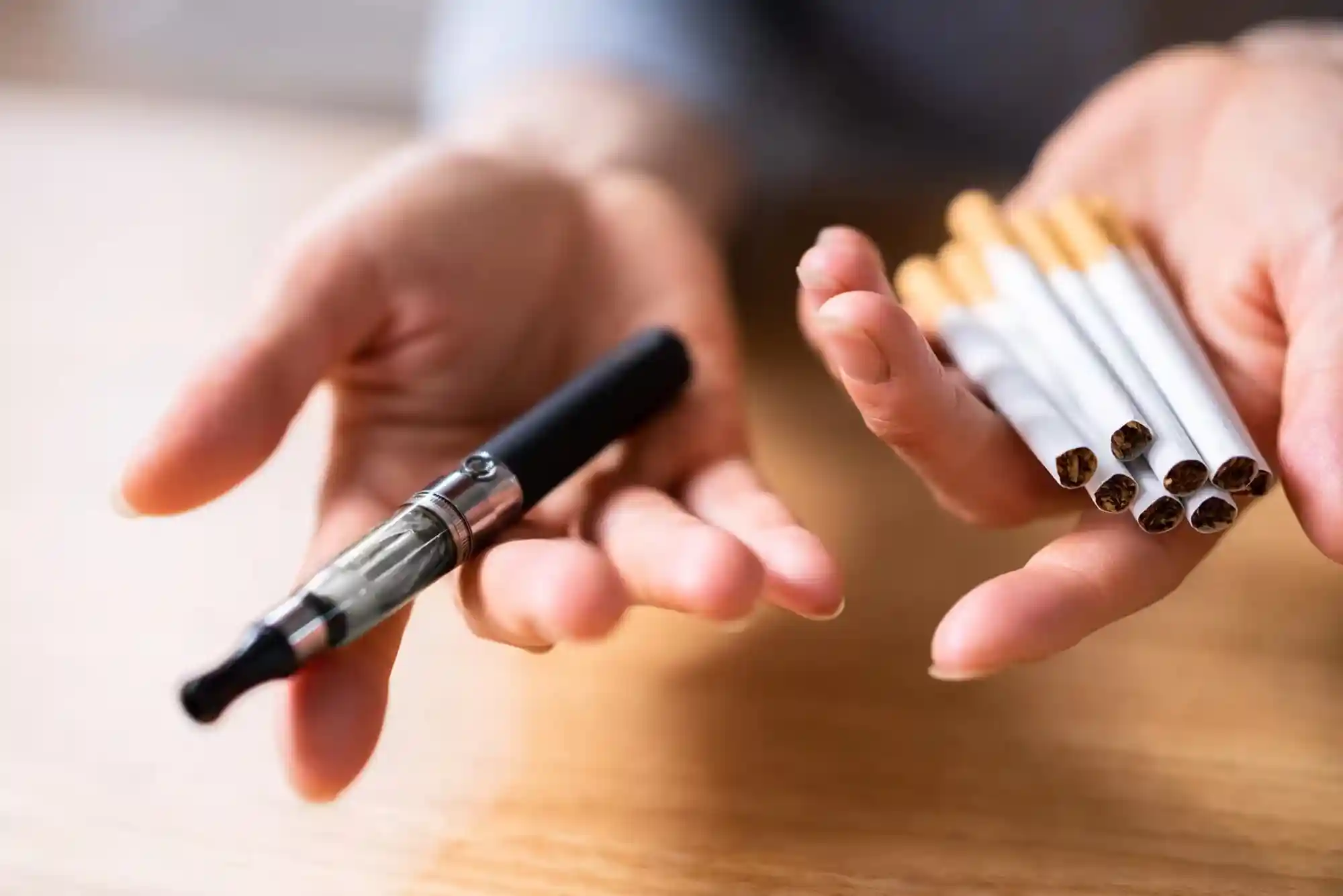
Harm reduction is a public health approach that focuses on minimizing the negative consequences of risky behaviors rather than promoting total abstinence. For smokers, switching from combustible cigarettes to vaping may offer a less harmful alternative.
Why Vaping Is Considered a Harm Reduction Tool
Combustion—the process of burning tobacco—creates thousands of harmful chemicals, including tar and carbon monoxide. E-cigarettes, on the other hand, heat a nicotine-containing liquid without burning it. This means users are exposed to fewer toxic substances.
Although vaping is not completely risk-free, several studies from the UK and other health bodies suggest it poses significantly fewer health risks than traditional smoking. For Texas smokers struggling to quit, vaping can be an effective step toward reducing harm and improving health outcomes.
Texas Health Authorities’ Perspective on Vaping
The Texas Department of State Health Services (DSHS) promotes education around vaping safety and youth prevention. While DSHS recognizes the potential harm reduction role of e-cigarettes for adult smokers, it maintains that non-smokers and youth should not start using them.
The balance between prevention and harm reduction is key. By regulating the market responsibly, Texas aims to allow adults access to safer alternatives while minimizing youth exposure.
How Harm Reduction Fits Into Tobacco Control
Harm reduction strategies are not new in public health. They’re used in areas like substance use, sexual health, and disease prevention. Applying harm reduction to smoking means encouraging safer alternatives for people who can’t or won’t quit nicotine altogether.
In Texas, tobacco cessation programs are increasingly incorporating evidence-based harm reduction approaches. This includes open discussions about vaping, nicotine replacement therapies, and behavioral support.
Vaping Law Updates and Enforcement in Texas
Texas continues to refine its vape-related legislation. Lawmakers are focusing on youth vaping prevention, flavor restrictions, and regulatory compliance for retailers.
Flavor Restrictions and Youth Protection
Currently, Texas has no statewide flavor ban, but lawmakers have debated the issue. Many believe flavor restrictions could prevent youth initiation, while others argue they may discourage adult smokers from switching to vaping.
Retailers must ensure their marketing doesn’t target minors. Using cartoons, youth-friendly packaging, or candy-themed flavors in advertising can result in enforcement actions.
Penalties for Violations
Selling or distributing vaping products to individuals under 21 is a Class C misdemeanor in Texas. Businesses can face civil fines up to $1,000 per violation. Repeat offenders may lose their retail licenses.
For individuals under 21 caught with vape products, penalties can include mandatory tobacco awareness courses or community service.
Retailer Compliance and Licensing
Texas requires retailers to obtain a Sales and Use Tax Permit to sell vape products. Businesses must also maintain transaction records and cooperate with state inspections.
For compliance and updates, retailers and consumers should regularly visit Texas DSHS / Texas Legislature — e-cig regulations.
The Science Behind Harm Reduction and Vaping
Comparing the Risks of Smoking and Vaping
Traditional cigarettes release over 7,000 chemicals when burned, many of which are carcinogenic. In contrast, e-cigarette aerosol typically contains far fewer toxicants. Public Health England and the UK’s National Health Service estimate vaping to be at least 95% less harmful than smoking.
In Texas, where smoking-related diseases remain a major public health burden, encouraging safer alternatives could save lives and reduce healthcare costs.
Nicotine: The Misunderstood Ingredient
Nicotine is addictive, but it’s not the main cause of smoking-related diseases. The harm comes primarily from the tar, carbon monoxide, and other chemicals produced during combustion. Understanding this distinction helps explain why vaping is viewed as a harm reduction method rather than an equal threat.
Real-World Results from Smokers Who Switch
Many smokers in Texas report better breathing, improved taste and smell, and fewer coughing episodes after switching to vaping. While long-term research is ongoing, early evidence supports vaping’s role as a less harmful alternative for adult smokers seeking to reduce or quit cigarette use.
Common Misconceptions About Vaping Laws and Safety
“Vaping is illegal in Texas”
This is false. Vaping is legal in Texas for adults aged 21 and older. However, there are restrictions on where and how products can be sold or used.
“All vape products are banned”
Not true. Texas regulates vape products but does not ban them outright. Licensed retailers can sell them as long as they comply with age verification and packaging rules.
“Vaping is just as dangerous as smoking”
Scientific evidence doesn’t support this claim. While vaping carries some risks, studies consistently show it is significantly less harmful than smoking traditional cigarettes.
How Smokers Can Use Vaping for Harm Reduction
For smokers in Texas looking to switch, it’s important to approach vaping responsibly. Start with products that deliver consistent nicotine levels and avoid unregulated or counterfeit devices. Choose reputable Texas retailers and check that your product complies with local and federal regulations.
If your goal is to quit nicotine completely, vaping can serve as a stepping stone. Gradually reduce nicotine levels over time while maintaining behavioral support through Texas cessation programs.
FAQs
Is vaping legal in Texas in 2025?
Yes. As of 2025, vaping is legal for adults aged 21 and above, though subject to retail and public-use restrictions.
Can you vape in public in Texas?
It depends on local ordinances. Some cities, like Austin and Houston, restrict vaping in enclosed public spaces, while others allow it.
Are flavored vapes banned in Texas?
No statewide ban exists, but local jurisdictions may enforce their own flavor restrictions. Always check city-specific rules.
Do I need a license to sell vapes in Texas?
Yes. Retailers must hold a valid Texas Sales and Use Tax Permit and comply with recordkeeping requirements.
Does Texas regulate nicotine strength or e-liquid composition?
Currently, Texas follows federal guidelines but has no additional restrictions on nicotine concentration or specific ingredients.
As public health discussions evolve, Texas is expected to continue refining its approach to vaping. The focus will likely remain on protecting youth while supporting adult harm reduction strategies. Collaboration between lawmakers, public health experts, and consumers will determine how the state balances these priorities.