
Introduction
The United Kingdom has become one of the most vape-friendly countries in the world. Yet, behind this openness lies a strict legal framework designed to protect public health and ensure product safety. For smokers considering a switch to vaping, understanding the vape shop UK law and harm reduction strategy is essential. This guide breaks down the laws, explains how they promote harm reduction, and helps you make informed, responsible choices.
Understanding Vape Shop UK Law
Vaping in the UK is regulated under a series of public health laws that prioritise consumer safety and product quality. The foundation of this legal framework is the Tobacco and Related Products Regulations 2016 (TRPR), which implements the European Union’s Tobacco Products Directive (TPD).
What Vape Shops Can and Cannot Sell
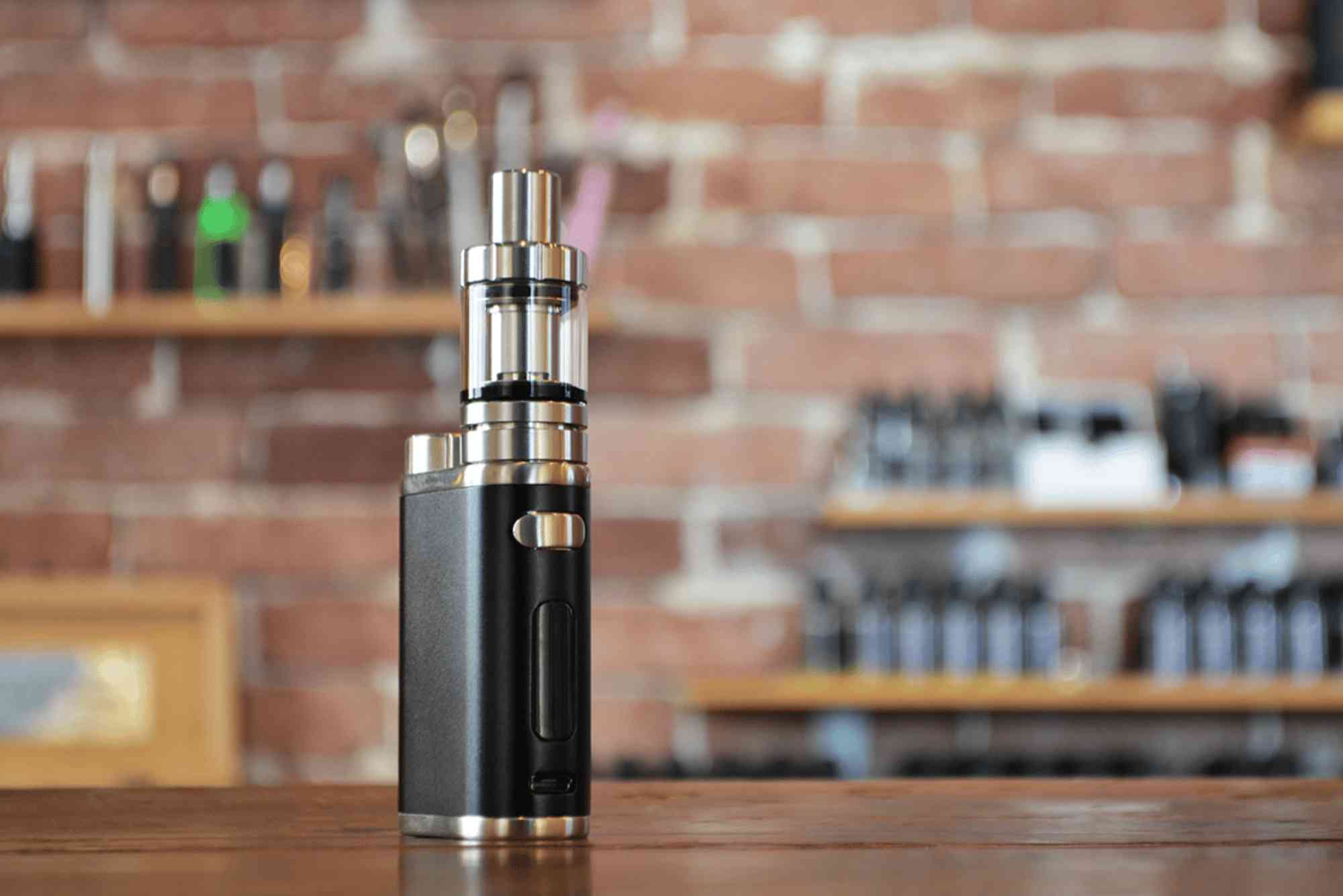
UK vape shops are allowed to sell e-cigarettes and e-liquids that comply with TRPR standards. This means every product must meet specific safety, packaging, and nicotine content rules. For example, nicotine-containing e-liquids cannot exceed a concentration of 20 mg/ml, and bottles must be limited to 10 ml. Vape tanks cannot hold more than 2 ml of e-liquid.
Any vape product that does not comply with these rules is illegal to sell in the UK. Vape retailers must ensure that all products they offer are notified to the Medicines and Healthcare products Regulatory Agency (MHRA) before being placed on the market.
Advertising and Promotion Rules
Advertising for vape products in the UK is also closely monitored. Traditional media like TV, radio, and newspapers cannot display vape ads that promote specific brands. However, information-based advertising — such as promoting vaping as a harm reduction method for adult smokers — is permitted if it follows the Committee of Advertising Practice (CAP) Code.
Social media promotions are particularly sensitive. Vape shops must avoid targeting minors or using influencers to glamorise vaping. This ensures that advertising aligns with the country’s harm reduction approach while preventing youth uptake.

Age Restrictions and ID Requirements
In the UK, it is illegal to sell vape products to anyone under 18. Retailers must conduct age verification checks both in-store and online. Many shops use the Challenge 25 policy — asking for proof of age if a customer appears under 25.
Failing to comply with these rules can result in fines, license suspensions, or even closure. To learn more about compliance and enforcement, vape retailers can visit UK Trading Standards — vape retail compliance, which provides detailed guidance on legal responsibilities.
The Connection Between Vape Laws and Harm Reduction
What Is Harm Reduction?
Harm reduction is a public health strategy that aims to reduce the risks associated with harmful behaviors rather than punishing them. When it comes to smoking, harm reduction focuses on providing safer alternatives — like vaping — to help smokers quit or cut down without going completely nicotine-free immediately.
How UK Law Encourages Harm Reduction
Unlike many countries that have banned vaping outright, the UK has embraced it as a harm reduction tool. Public Health England (PHE) and the National Health Service (NHS) both support vaping for adult smokers looking to quit.
PHE’s landmark review concluded that vaping is around 95% less harmful than smoking. This evidence-based stance has guided government policy, ensuring that vaping remains available — but tightly regulated.
The vape shop UK law framework ensures that products are consistent, safe, and free from contaminants. By mandating clear labeling and restricting advertising, the government protects non-smokers and minors while giving smokers a viable pathway to harm reduction.
Why This Matters for Smokers
If you’re a smoker, these laws work in your favor. They guarantee that when you walk into a UK vape shop, you’re buying a product that’s been tested for quality and safety. This legal assurance gives confidence to smokers making the switch, helping them transition with peace of mind.
Vape Shops and Consumer Protection
The Role of Trading Standards
Local Trading Standards authorities play a crucial role in monitoring vape shop compliance. They inspect stores, enforce labeling rules, and ensure that retailers don’t sell to minors. This active oversight ensures that every product on the shelf meets UK safety standards.
For business owners, understanding and following UK Trading Standards — vape retail compliance guidelines is essential to avoid penalties and maintain customer trust.
Counterfeit and Illegal Vape Products
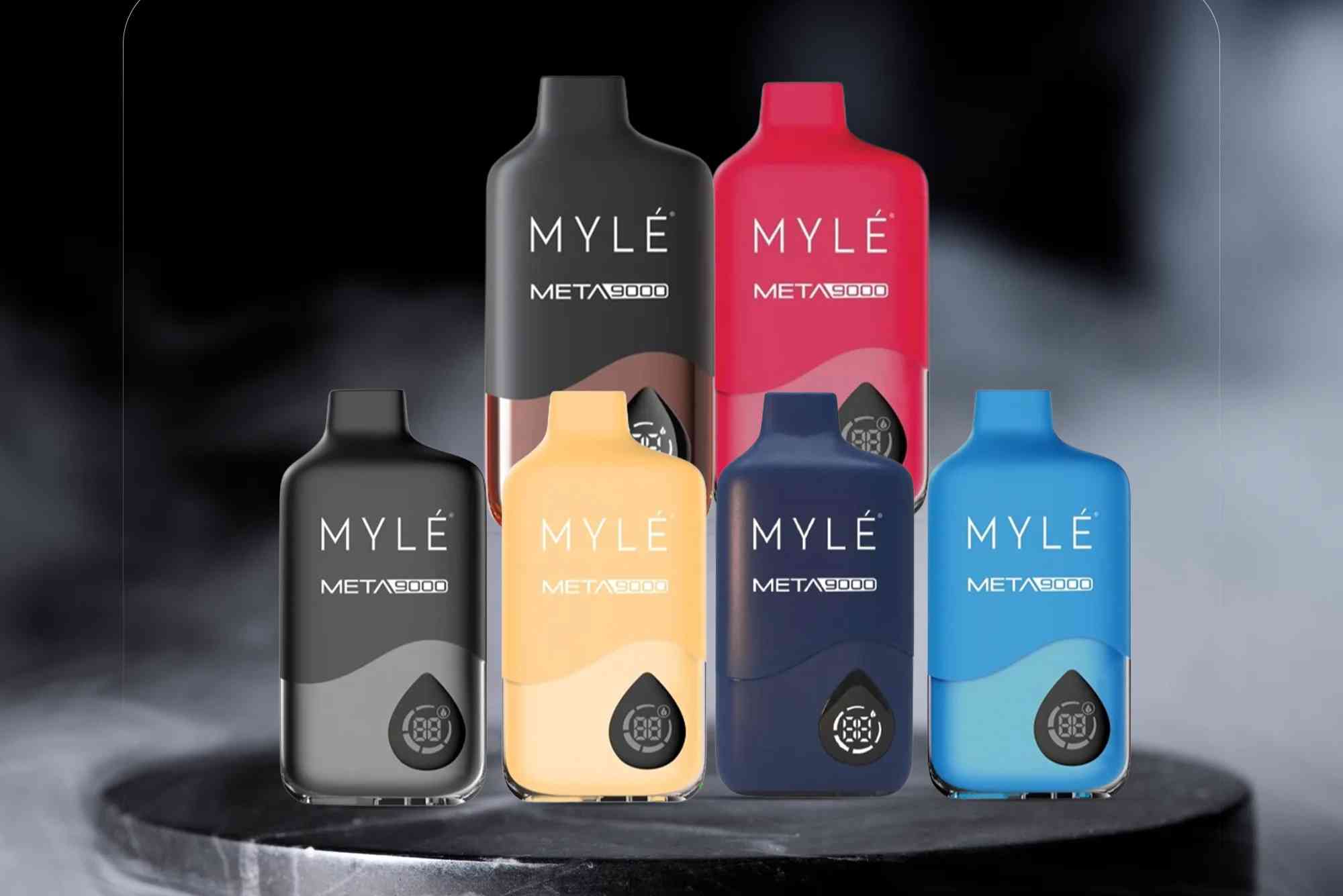
One of the challenges the UK faces today is the rise of illegal disposable vapes. Many imported devices exceed nicotine limits or tank capacities. These unregulated products often bypass MHRA notification, posing health and safety risks.
Consumers can protect themselves by purchasing only from registered UK vape shops and checking for MHRA-approved product listings. This small step supports harm reduction and discourages the black market.
Environmental Responsibility
Recent updates to UK vape regulations also emphasize environmental impact. Vape retailers are encouraged to offer recycling programs for used batteries and disposables. By managing waste responsibly, the vaping industry contributes to a sustainable harm reduction model that benefits everyone.
Vaping vs. Smoking: What the Research Says
Reduced Exposure to Toxins
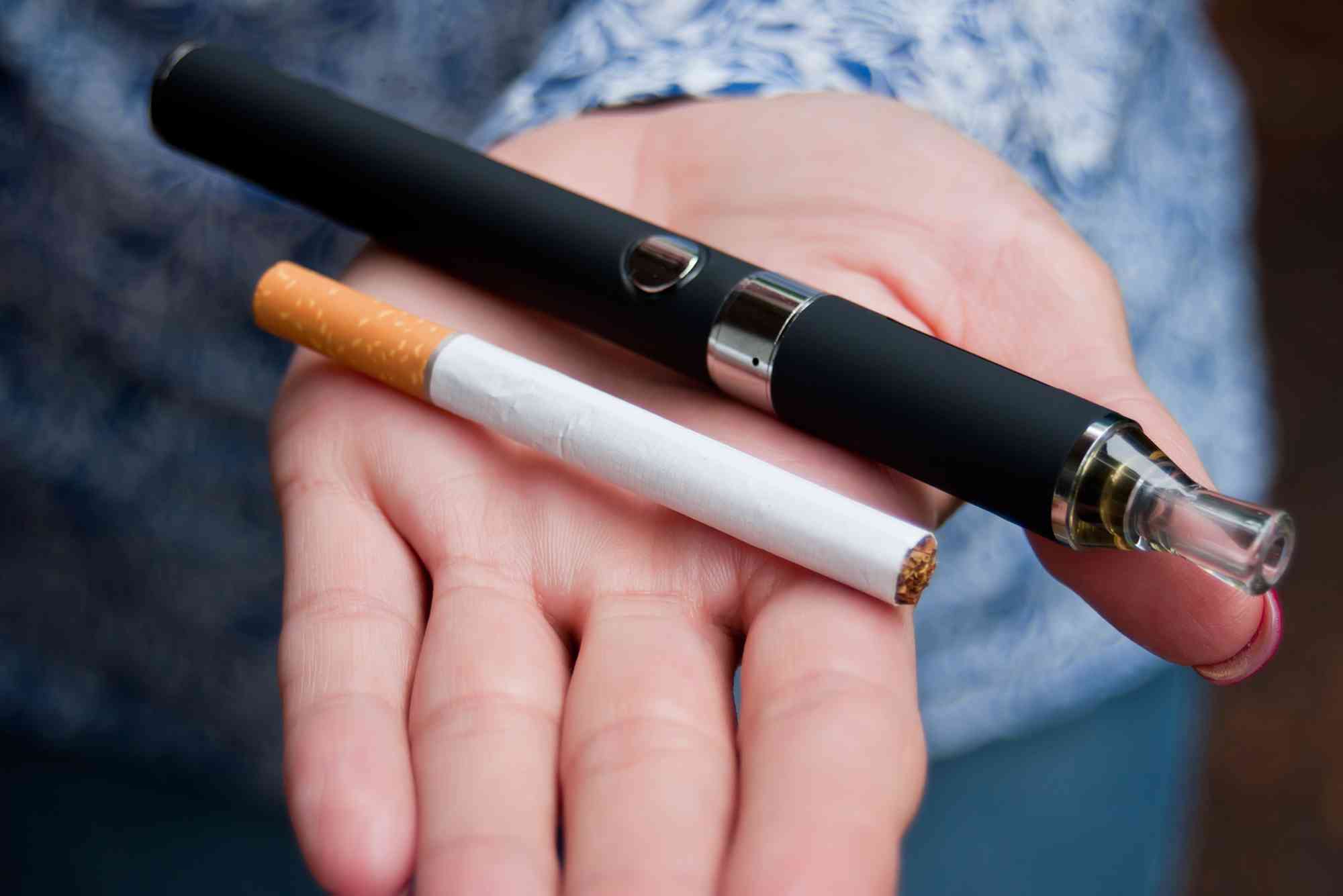
Multiple studies have shown that switching from smoking to vaping dramatically reduces exposure to carcinogens and toxic chemicals. Cigarettes produce tar and carbon monoxide — two of the leading causes of smoking-related illnesses. E-cigarettes, by contrast, produce vapor without combustion, eliminating most of these harmful byproducts.
Effectiveness for Smoking Cessation
The NHS Stop Smoking Services report that smokers who use e-cigarettes are up to twice as likely to quit successfully compared to those using traditional nicotine replacement therapies (NRTs) like patches or gum. This makes vaping an effective and accessible harm reduction method under proper guidance.
Long-Term Safety
While long-term data on vaping is still emerging, the current evidence suggests significantly lower risks than smoking. UK health authorities continue to monitor these findings, adjusting regulations as needed to maintain public safety.
Common Misconceptions About Vape Laws
“Vaping Is Unregulated in the UK”
This is false. Vaping is one of the most tightly regulated nicotine markets in the world. Every legal vape product must go through MHRA notification, strict lab testing, and proper labeling before it reaches consumers.
“Vape Shops Can Sell Anything”
Not true. Vape shops must only sell TRPR-compliant devices and e-liquids. Selling unnotified or illegal products can result in severe penalties.
“Vaping Is Banned Indoors Everywhere”
While there’s no blanket national ban, most workplaces and public venues apply their own vaping policies. It’s always best to check local rules before vaping indoors.
FAQs
Can I buy vape products online in the UK?
Yes, but online retailers must follow the same age verification and product compliance rules as physical stores.
Is vaping legal in public places?
Vaping is legal, but individual businesses can set their own restrictions. Always respect posted signs or ask before vaping indoors.
Are disposable vapes banned in the UK?
Not yet, but the government is reviewing their environmental impact. Future restrictions may limit sales of single-use devices.
Do vape shops need a license to operate?
No specific vape license exists, but retailers must comply with local business registration, health, and safety regulations.
Are nicotine-free e-liquids regulated?
Yes. Even nicotine-free e-liquids must meet general consumer safety standards and proper labeling requirements.
The UK government continues to balance harm reduction with public safety. Proposed reforms could strengthen rules on disposable vapes, packaging design, and environmental recycling. However, the overall stance remains clear: vaping, when used responsibly, is a powerful harm reduction tool for smokers.
Health agencies are also expanding cessation programs that integrate vaping as a supported method for quitting cigarettes. As research evolves, future updates to vape laws will likely focus on quality assurance, youth prevention, and sustainable business practices.
The vape shop UK law and harm reduction framework is not about punishment — it’s about empowerment. It gives smokers access to safer alternatives, supports businesses that operate responsibly, and protects the public from harm.