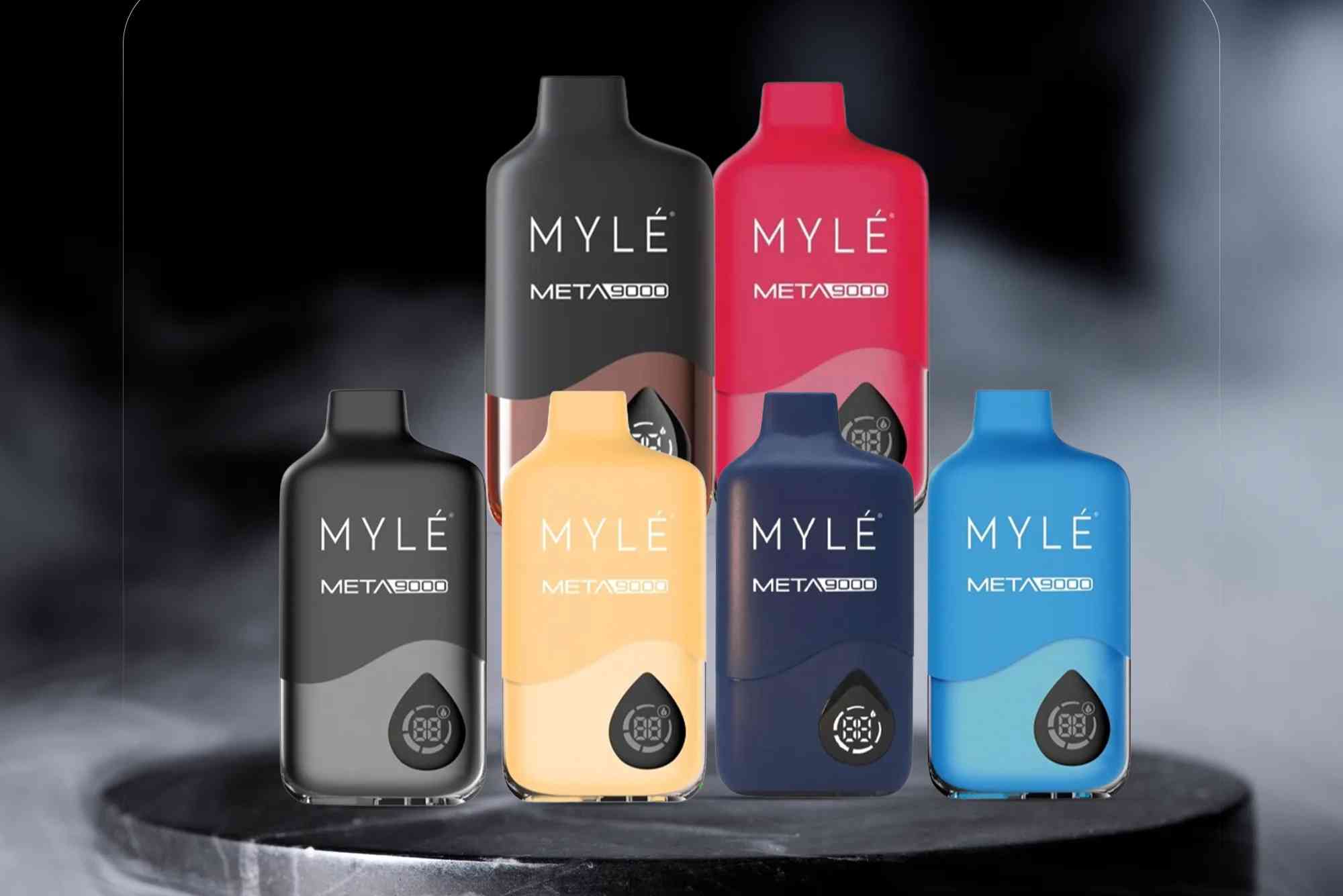


Vaping has become a central topic in the conversation about quitting smoking and public health. As more smokers in the UK explore alternatives to traditional cigarettes, one question often arises: Is it illegal to advertise vaping in the UK? Alongside this, another vital concept is gaining attention — harm reduction. Understanding how UK law treats vaping promotion and how vaping fits into harm reduction strategies can help smokers make informed choices about their health.
This article explores the legality of vaping advertisements, the principles of harm reduction, and what every smoker should know before switching.
Understanding Vaping and Its Role in Smoking Cessation
Before diving into the legal details, it’s important to understand what vaping is and why it has become so popular among smokers. Vaping involves inhaling vapor produced by an electronic cigarette or vape device. These devices heat an e-liquid, usually containing nicotine, without burning tobacco. This means that unlike traditional cigarettes, vaping doesn’t produce tar or carbon monoxide — the two main harmful elements in cigarette smoke.
Health experts, including Public Health England (now part of the Office for Health Improvement and Disparities), have stated that vaping is significantly less harmful than smoking. Many smokers in the UK have successfully quit or reduced smoking by switching to vaping, making it a cornerstone of harm reduction strategies.
Is It Illegal to Advertise Vaping in the UK?
The short answer is yes — but with important exceptions. Advertising vaping products in the UK is heavily regulated under strict rules designed to protect consumers, especially young people, from being influenced to start vaping.
The Legal Framework
Vaping advertising in the UK is governed by several key pieces of legislation and regulatory bodies. The main one is the UK Tobacco and Related Products Regulations 2016 (TRPR). This law prohibits advertising e-cigarettes or e-liquids that contain nicotine through most traditional media, including TV, radio, newspapers, and online platforms.

The Advertising Standards Authority (ASA) and the Committee of Advertising Practice (CAP) oversee how these rules are enforced. According to the ASA, it’s illegal to promote vaping products on social media or search engines where the ads could reach the general public. Brands can, however, provide factual information about their products on their own websites or in direct communications with adults who have opted in to receive information.
For more detailed guidance, you can review the UK ASA / Advertising Standards — e-cig advertising rules.
What’s Allowed Under UK Law
While most forms of vaping promotion are banned, companies are allowed to share factual, non-promotional content. For example, websites can explain product specifications, safety information, or usage guidance without making any health claims or targeting non-smokers.
Retailers can also display vaping products in stores, as long as the displays are not aimed at encouraging non-smokers to start vaping. Additionally, brands can sponsor events or collaborate with retailers, provided these activities don’t amount to direct advertising of nicotine products.
Harm Reduction: Why It Matters to Every Smoker
Harm reduction is a public health strategy that aims to minimize the negative consequences of risky behaviors — rather than demanding complete abstinence. In the context of smoking, harm reduction acknowledges that while quitting nicotine altogether is ideal, many smokers find it challenging.
How Vaping Supports Harm Reduction
Vaping provides a way for smokers to continue consuming nicotine — the addictive element in cigarettes — without the thousands of harmful chemicals released by burning tobacco. Studies from organizations such as Cancer Research UK and the Royal College of Physicians show that vaping poses a fraction of the risk compared to smoking.
Unlike cigarettes, e-liquids don’t contain tar, and the vapour contains far fewer toxic compounds. This means that switching completely from smoking to vaping can significantly reduce health risks.
Addressing Misconceptions
Many smokers hesitate to try vaping due to misunderstandings about safety. Some media reports have exaggerated vaping risks without distinguishing between regulated UK products and unsafe counterfeit or unregulated imports. It’s crucial to understand that UK vaping products are strictly controlled for safety and quality under the TRPR.
This makes regulated vaping a safer and more effective harm reduction option compared to continued smoking.
The Balance Between Public Health and Marketing Freedom
The UK government walks a fine line between supporting harm reduction through vaping and preventing youth exposure to nicotine products. While advertising restrictions protect young people, they can also limit how much information smokers receive about safer alternatives.
That’s why many harm reduction advocates argue for clearer, evidence-based communication rather than blanket bans. Smokers deserve accurate information about all available tools to quit or reduce harm — including vaping.
For those seeking reliable, compliant information about vaping, you can visit the article Is it illegal to advertise vaping uk and Harm Reduction: What Every Smoker Should Know for guidance.
What Every Smoker Should Know Before Switching to Vaping
Switching from cigarettes to vaping can be life-changing, but it’s important to do it safely and responsibly.
- Choose regulated products: Always buy from reputable UK retailers that comply with TRPR regulations.
- Start with a suitable nicotine strength: Too little nicotine may cause cravings, while too much can lead to discomfort.
- Understand your device: Different vapes produce different amounts of vapour and throat hit.
- Transition gradually if needed: Some smokers start by alternating between cigarettes and vapes before fully switching.
- Consult healthcare professionals: Stop smoking services in the UK often recommend vaping as a tool to quit.
Vaping is not risk-free, but the consensus among experts is that it is far less harmful than smoking and a practical step towards better health.
Common Questions About Vaping and Advertising in the UK (FAQs)
Is it illegal to promote vaping on social media?
Yes. UK law bans paid or influencer-based vaping promotions on social media. However, brands can post factual, non-promotional content on their own pages.
Can vape shops advertise online?
Vape shops can share product information on their websites but cannot run paid ads or promotional posts on search engines or social media platforms.
Why is vaping advertising restricted in the UK?
Restrictions aim to prevent young people and non-smokers from being encouraged to try vaping. The focus is on protecting public health while allowing adult smokers access to safer alternatives.
Is vaping safe compared to smoking?
According to the UK’s health authorities, vaping is around 95% less harmful than smoking. While not completely risk-free, it significantly reduces exposure to dangerous chemicals.
Can vaping help me quit smoking?
Yes, many smokers have successfully quit using vapes. Stop smoking services in the UK often include vaping as part of their harm reduction programs.
The Future of Vaping and Harm Reduction in the UK
The UK government’s approach to vaping is evolving. As the country pushes toward its “smoke-free 2030” goal, vaping plays a vital role in helping smokers quit. More research and policy refinement are expected, but the current direction is clear — vaping is recognized as a powerful harm reduction tool, even as its marketing remains tightly controlled.
Balancing regulation, safety, and communication will be key to ensuring smokers can access accurate information and make informed decisions.
Empowering Smokers Through Knowledge
So, is it illegal to advertise vaping in the UK? In most cases, yes — traditional and online advertising of nicotine vaping products is restricted. However, that doesn’t mean smokers are left without resources. Harm reduction remains at the heart of the UK’s public health strategy, and vaping continues to stand out as one of the most effective tools for reducing smoking-related harm.
If you’re a smoker seeking a safer alternative, it’s time to explore vaping responsibly. Learn more through trusted sources and make informed choices that move you closer to a smoke-free future.