
How What States Are Flavored Vapes Legal Can Affect Vape Battery Safety
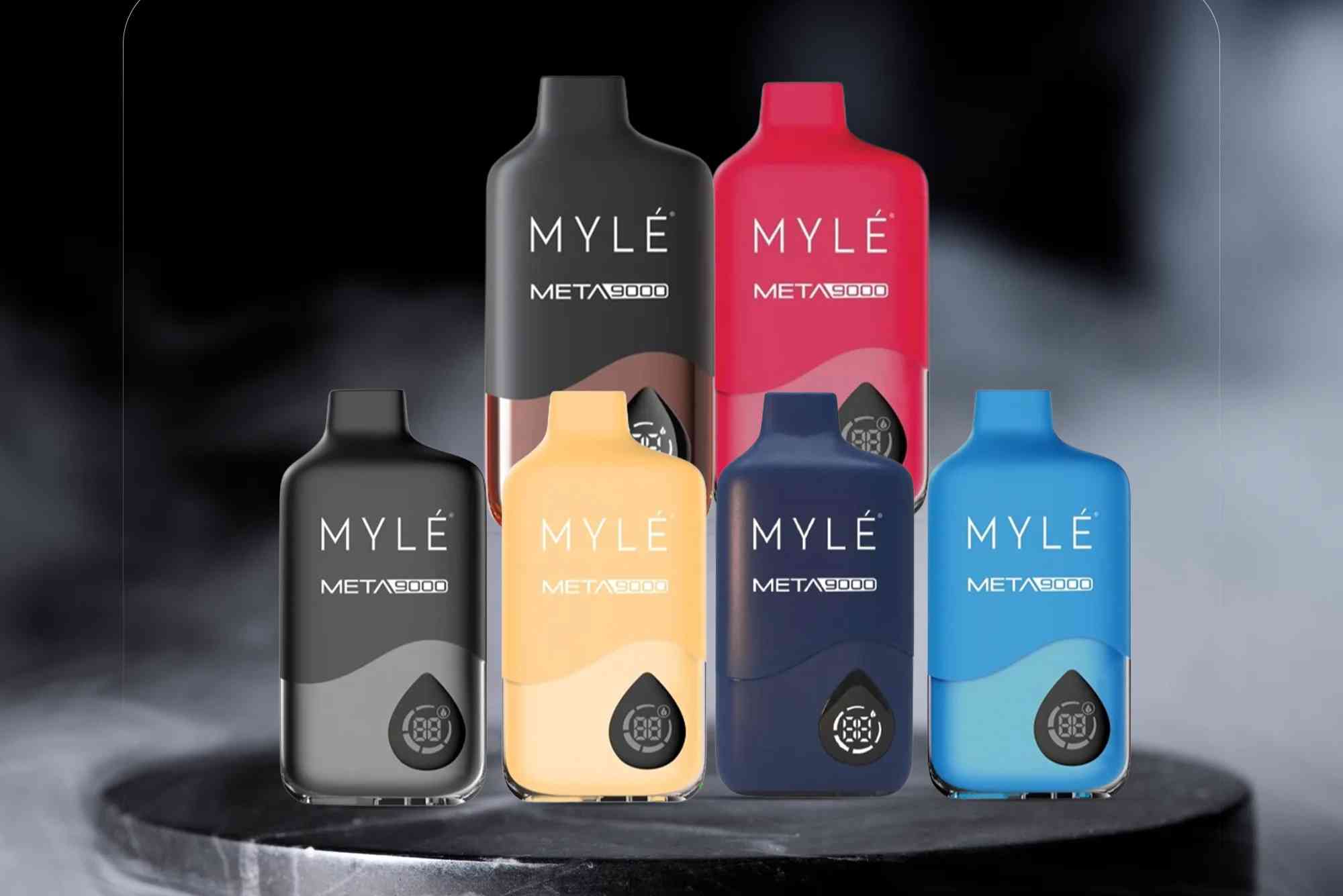
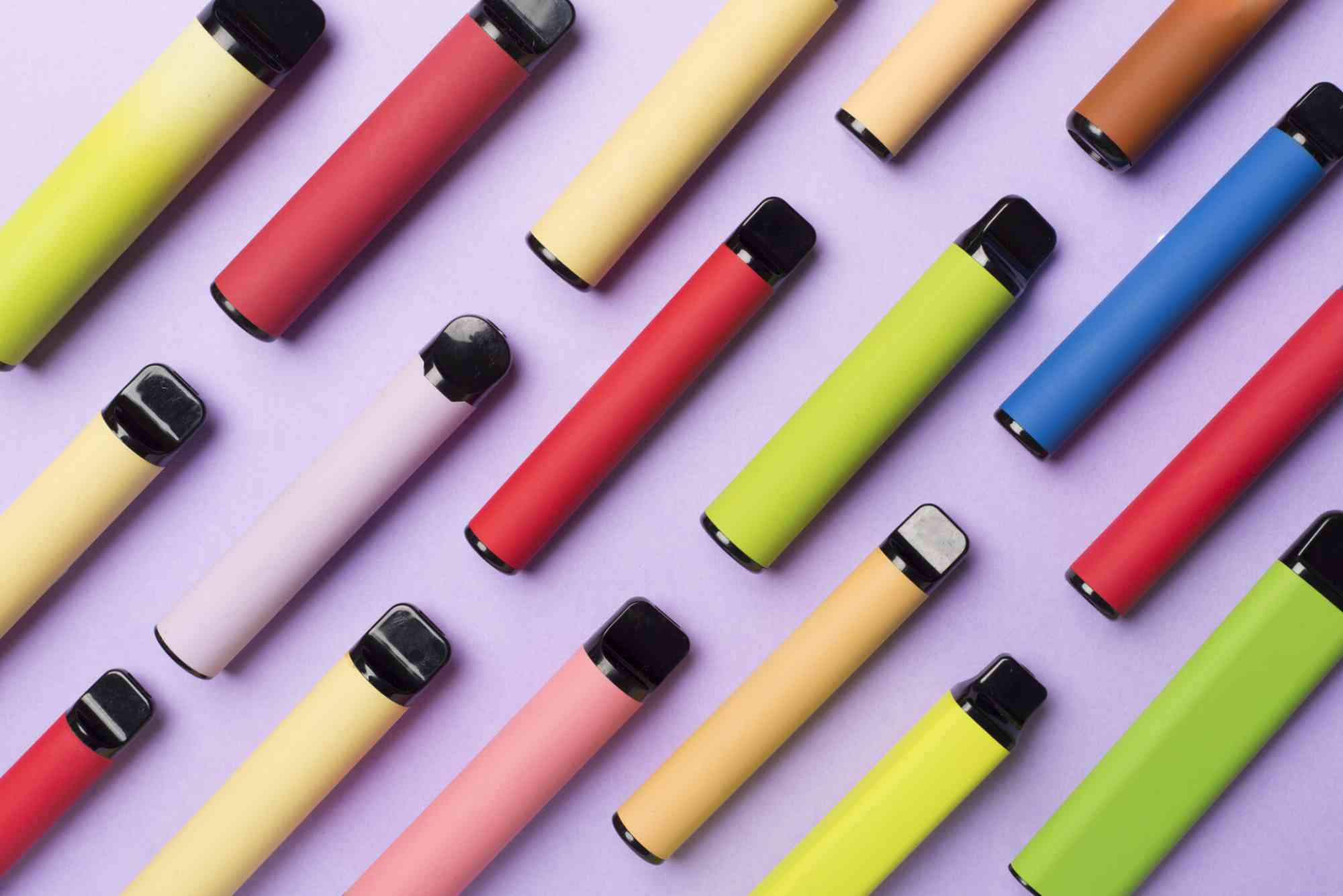
Vaping regulations in the United States have become increasingly complex, with flavored vape products being one of the most heavily debated topics. Many users search for “what states are flavored vapes legal” to understand where they can buy their favorite flavors without restrictions. However, beyond the surface of flavor bans and regulations lies an often-overlooked consequence: vape battery safety. While flavored vape bans primarily target public health and youth usage, they also influence the way batteries are manufactured, sold, and used in different states. Understanding the connection between flavored vape laws and battery safety is essential for responsible vaping.
Understanding the Landscape of Flavored Vape Laws
The question “what states are flavored vapes legal” does not have a simple answer. Regulations vary widely from one state to another. Some states, like California, Massachusetts, and New York, have imposed strict bans on flavored vape sales. Others, such as Florida or Texas, maintain fewer restrictions, allowing flavored vapes to be sold more freely. This patchwork of laws creates confusion for consumers, retailers, and manufacturers. While most discussions center on flavors themselves, the impact on hardware, especially batteries, cannot be ignored.
Why Flavored Vape Laws Affect Battery Safety
At first glance, the connection between flavored vape regulations and battery safety might seem weak. However, laws that restrict flavored vape availability often push users toward alternative sources, including online shops, out-of-state purchases, or even unregulated black-market products. These alternatives may not meet the same safety standards, particularly when it comes to batteries. When consumers cannot access legal flavored vapes in their state, they may unknowingly purchase devices with poor-quality batteries, increasing risks of overheating, short circuits, or explosions.
How Consumer Behavior Shifts Due to Flavor Bans
Increase in Online Purchases
In states where flavored vapes are banned, many users turn to online retailers. While reputable websites follow federal guidelines, less trustworthy sellers may supply devices with counterfeit or unsafe batteries. These products often lack the rigorous testing required for legal sales, which compromises consumer safety.
Rise of the Black Market
Illegal markets flourish when bans are imposed. Unfortunately, black-market devices rarely undergo proper quality checks. Batteries in these devices can be low-grade, improperly wrapped, or unsafe for long-term use. This raises the likelihood of malfunctions and injuries.
DIY Vaping Culture
Another consequence of flavored vape bans is the rise of do-it-yourself vaping. Enthusiasts mix their own e-liquids, often using open-system devices that require frequent battery charging and replacement. Without proper battery knowledge, users risk overcharging, mismatched cells, or unsafe handling practices.

The Science of Vape Battery Safety
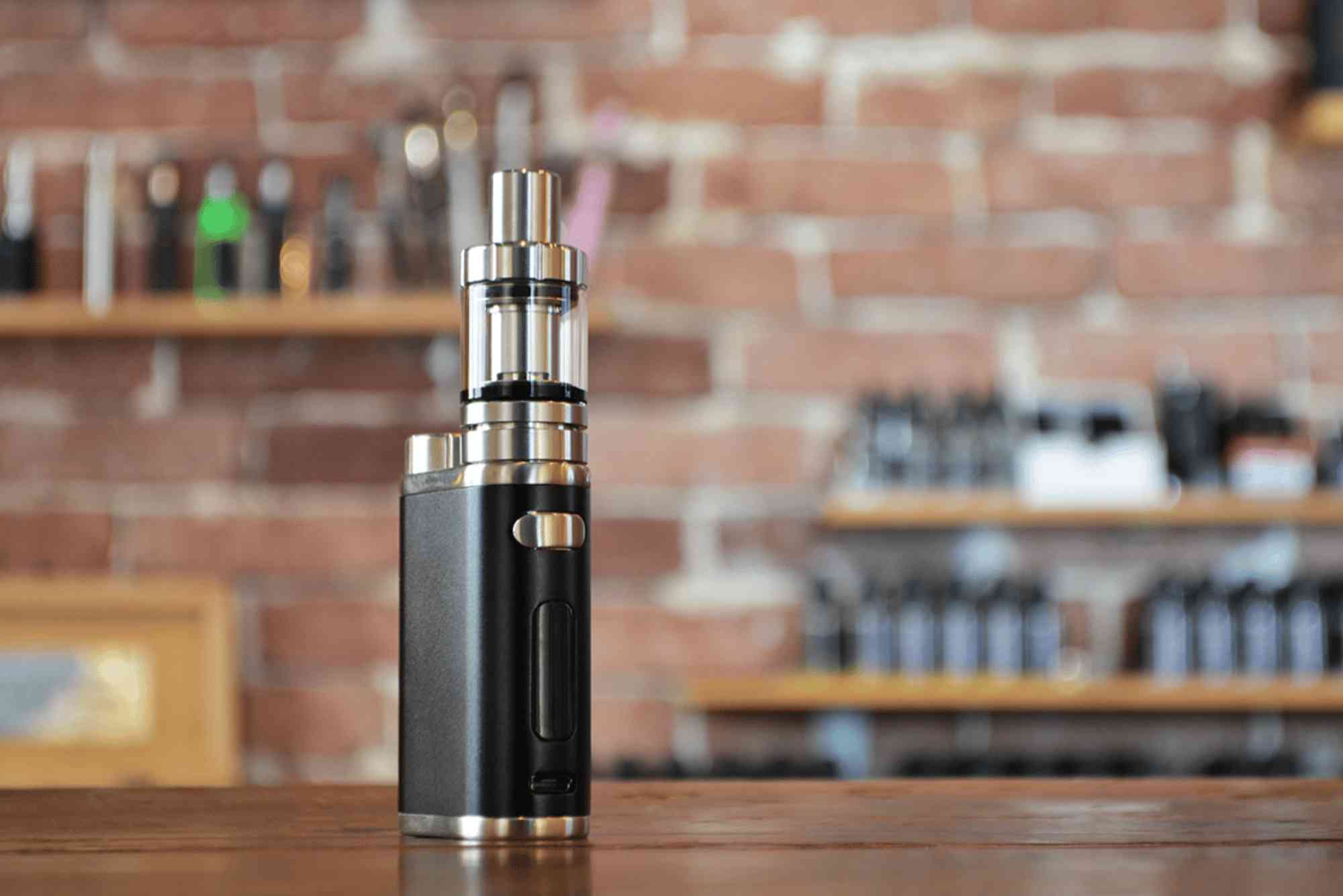
To understand why flavored vape bans indirectly affect safety, it helps to look at the science behind vape batteries. Most devices use lithium-ion batteries, which are sensitive to temperature, charging conditions, and handling. Properly manufactured batteries include safeguards against overheating and overcharging. However, counterfeit or poorly made batteries may lack these protections. The result can be catastrophic, ranging from device failure to fire hazards.
Regional Differences in Battery Quality
When analyzing “what states are flavored vapes legal,” it becomes clear that regulations influence not only flavor access but also hardware distribution. States with bans often see fewer licensed vape shops. This reduces the availability of authentic batteries and replacement parts. Users in these areas are more likely to buy from questionable sources, where the chance of encountering unsafe batteries is higher. Conversely, states with fewer restrictions allow vape shops to maintain inventory that complies with safety regulations, offering users safer and more reliable products.
Impact on Retailers and Manufacturers
Retailer Challenges
Retailers in restrictive states face tough decisions. Some close down, while others switch to selling only tobacco-flavored products. This shift reduces the demand for high-quality batteries since fewer legal devices are sold. Manufacturers may respond by cutting costs, resulting in lower-quality components entering the market.
Manufacturer Adaptations
In contrast, states where flavored vapes remain legal encourage competition and innovation. Manufacturers have greater incentive to produce safer, more reliable devices, including batteries with advanced safety features. This demonstrates how regional laws indirectly influence the quality of vaping hardware nationwide.
How Users Can Protect Themselves
Even with the uncertainty surrounding flavored vape laws, users can take steps to safeguard their battery usage. Buying from reputable retailers, avoiding counterfeit devices, and learning proper charging practices are key. Consumers should also store batteries in protective cases, avoid overcharging, and replace damaged batteries immediately.
Common Battery Safety Mistakes
Using Counterfeit Batteries
When users seek out flavored vapes in states with bans, they often encounter counterfeit batteries disguised as brand-name products. These lack essential safety features.
Improper Charging Habits
Many users leave their devices charging overnight. This is especially risky when using batteries of uncertain quality. Overcharging can cause batteries to swell or explode.
Mixing Battery Types
DIY vapers sometimes use mismatched batteries in mods. This creates uneven current flow, increasing the risk of failure.
Legal States and Safer Battery Practices
Interestingly, the states where flavored vapes are still legal tend to foster safer vaping practices overall. With access to regulated shops, consumers can buy authentic products with reliable batteries. Shop employees often provide education on battery safety, something not available when purchasing from unregulated sources. This highlights how the legality of flavored vapes has a direct impact on consumer knowledge and safety.
What Consumers Should Do Next
Understanding “what states are flavored vapes legal” is about more than flavor preference—it directly impacts battery safety. States with bans unintentionally expose consumers to counterfeit products and unsafe batteries. Meanwhile, states with legal flavored vapes promote safer practices by allowing regulated sales and consumer education. To protect yourself, always purchase from trusted retailers, follow safe charging practices, and stay informed about local laws. As regulations evolve, consumers must remain proactive in ensuring both flavor access and device safety. If you live in a state with flavored vape restrictions, take extra precautions when buying vape products. Choose trusted retailers, verify battery authenticity, and prioritize safety over convenience. Staying informed about both laws and battery safety ensures a safer, more enjoyable vaping experience.
Future Outlook: The Intersection of Laws and Safety
As debates about flavored vapes continue, more states may adopt bans. While intended to curb youth vaping, these laws can unintentionally drive consumers toward unsafe products. Policymakers need to consider how flavor restrictions impact not just e-liquids but also the broader safety of devices, especially batteries. A balance between public health goals and consumer safety is necessary to ensure that users are not put at greater risk through unregulated alternatives.
FAQs
What states are flavored vapes legal in 2025?
Flavored vapes remain legal in some states with minimal restrictions, including Texas, Florida, and several Midwestern states. However, states like California, New York, and Massachusetts maintain strict bans.
Why do flavored vape bans affect battery safety?
Bans push users toward unregulated markets where devices often use unsafe or counterfeit batteries. This raises risks of overheating and accidents.
Are vape batteries dangerous?
When purchased from reputable sources, vape batteries are generally safe. Problems arise mainly from counterfeit or poorly handled batteries.
How can I tell if my vape battery is fake?
Counterfeit batteries often have spelling errors, poor wrapping, or lack of serial numbers. Buying from official retailers is the best way to ensure authenticity.
What is the safest way to charge a vape battery?
Use the charger that comes with your device, avoid overnight charging, and never use damaged cables or adapters.