
How Ca DMV Vape Laws 2018 Can Affect Vape Battery Safety
The world of vaping has seen rapid changes over the past decade, not only in terms of technology but also in legal regulation. In California, a state known for setting trends in public health policy, lawmakers began tightening rules around vaping long before many other regions. Among these efforts, the ca dmv vape laws 2018 gained attention because they connected everyday driving regulations with vaping behavior. While these laws primarily focused on controlling where and how people use vaping products, their ripple effects have gone beyond public spaces. Surprisingly, they also play an indirect role in how vapers handle and care for their devices, particularly when it comes to battery safety. Understanding these connections is essential not just for legal compliance but also for personal safety, especially as vape batteries have been linked to accidents when misused.
Understanding the Ca DMV Vape Laws 2018
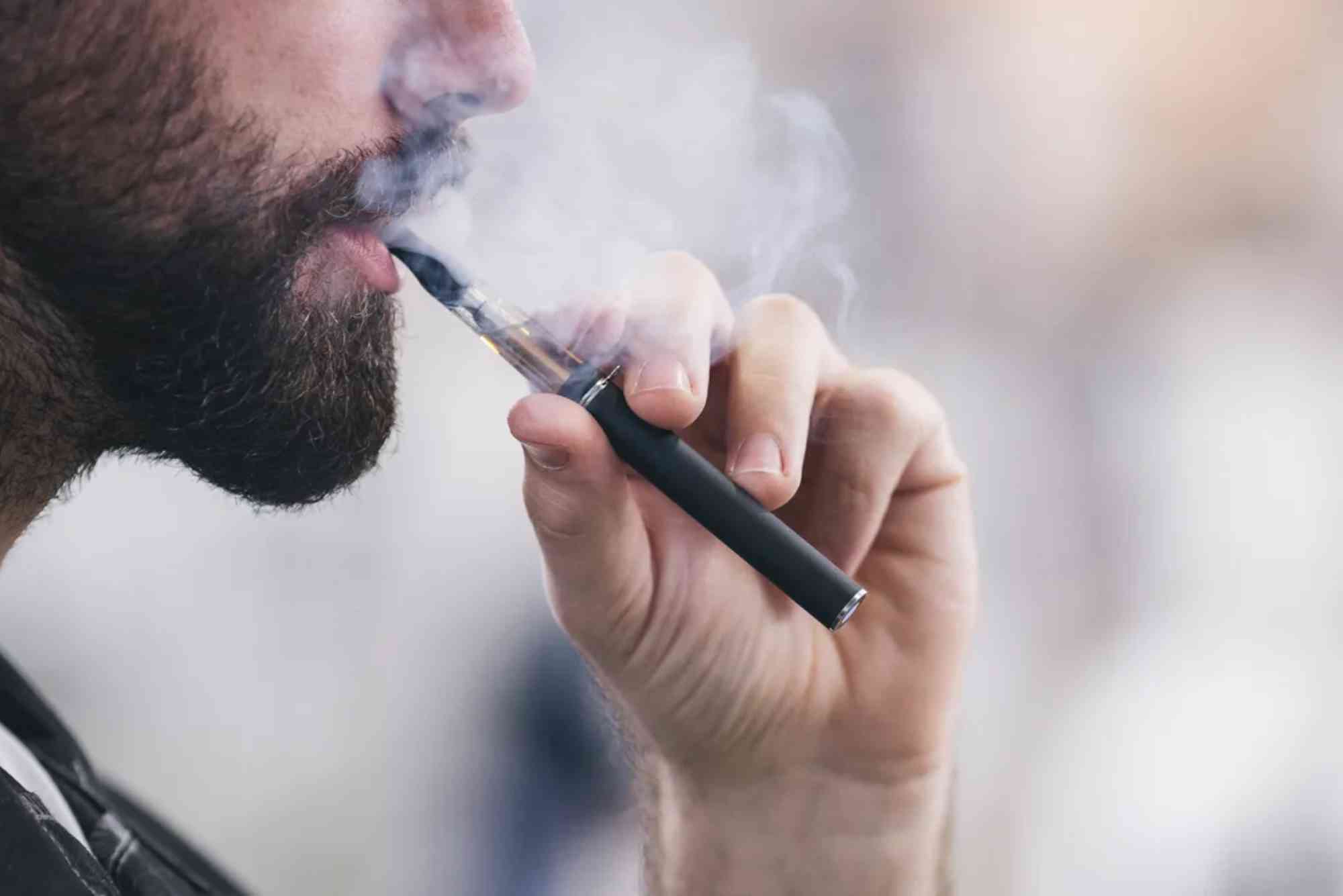
The ca dmv vape laws 2018 were part of a larger public safety initiative that aligned vaping regulations with existing tobacco and smoking laws. The California Department of Motor Vehicles implemented guidelines restricting vaping in cars where minors are present, similar to bans already in place for traditional cigarettes. These laws also affected how vaping devices could be transported and stored in vehicles. For drivers and passengers, this meant being more mindful not just of where they vaped but also how they handled their vape devices during travel.
While the DMV’s jurisdiction is primarily over driving-related matters, the alignment of vaping rules with motor vehicle safety created new layers of responsibility for users. The practical result was an increased awareness of vape storage, charging habits in vehicles, and the risks of leaving devices in hot cars. These issues are directly linked to the broader conversation about vape battery safety.
Why Vape Battery Safety Matters
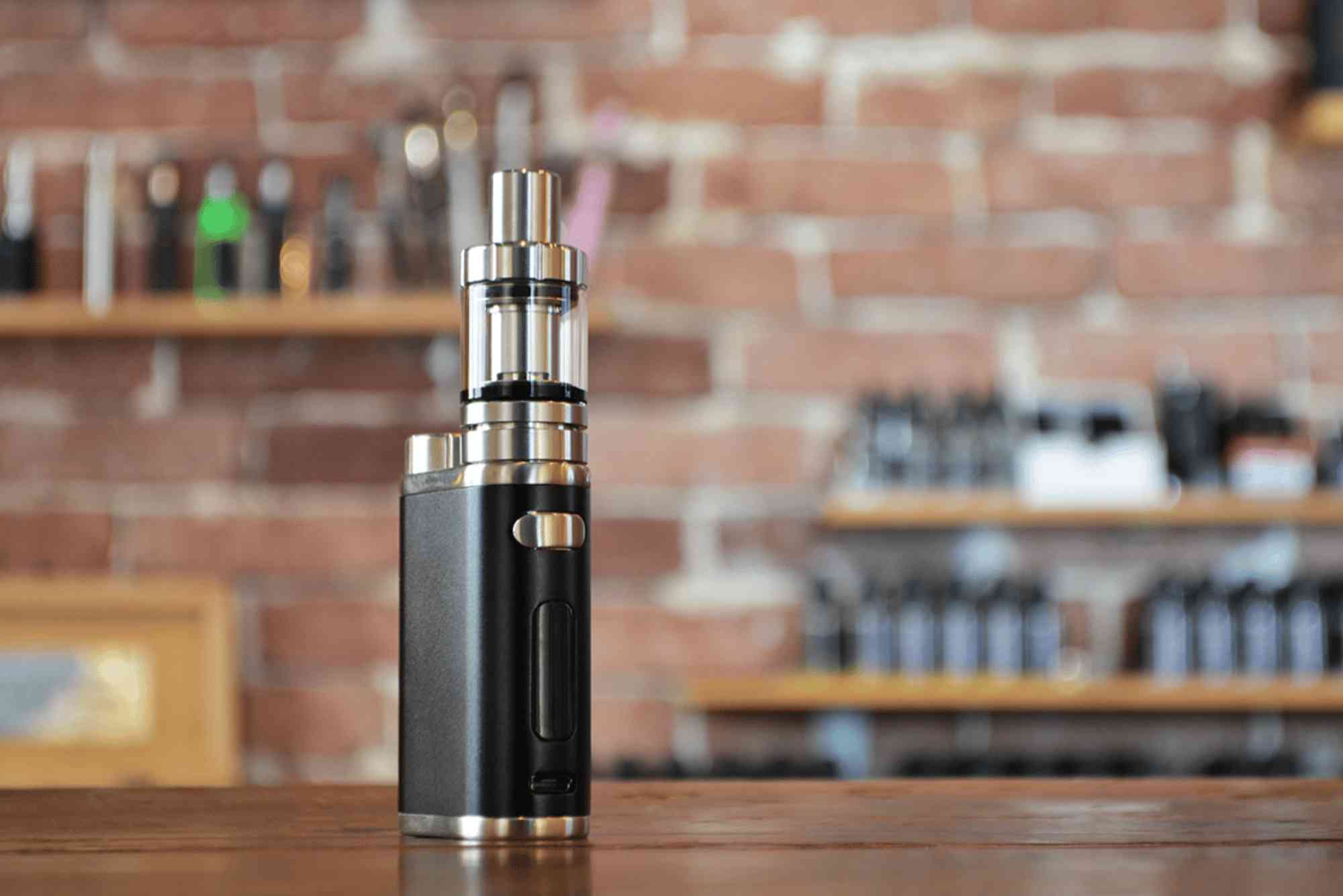
Vape devices rely on lithium-ion batteries, the same type used in smartphones, laptops, and even electric cars. While powerful and efficient, these batteries can become dangerous if exposed to heat, physical damage, or improper charging. Reports of vape devices exploding or catching fire, though rare, have made headlines worldwide. Many of these incidents were traced back to mishandled batteries. For vapers in California, the ca dmv vape laws 2018 inadvertently highlighted these risks by reminding users to consider how their devices are stored and transported, particularly in cars.
Common Risks With Vape Batteries
Several risks arise when vape batteries are not used properly. Overcharging, for example, can stress a battery and cause it to overheat. Leaving a vape device in a hot car can also lead to dangerous swelling or even combustion. Carrying spare batteries loosely in a pocket or glove compartment exposes them to the risk of short-circuiting if they come into contact with metal objects. These everyday habits might seem harmless, but they can become serious safety hazards.
Connection Between DMV Laws and Battery Safety
The ca dmv vape laws 2018 did not specifically dictate how batteries should be handled, but they created situations where battery safety became part of compliance. For example, because vaping in a car with minors is illegal, many users began turning off their devices and storing them more frequently during travel. This act of storage required new habits—such as ensuring batteries were properly encased or devices were powered down—habits that ultimately made battery use safer.

Increased Awareness Through Regulation
When laws restrict where you can vape, they force you to think about the device as more than just a casual accessory. Drivers began recognizing that vape devices were not only subject to smoking laws but also connected to general vehicle safety. In many cases, this prompted better storage practices, such as using protective battery cases instead of leaving spare batteries loose in cars.
Preventing Heat-Related Accidents
California is known for its hot summers, and cars can quickly become ovens when parked. Lithium-ion batteries are extremely sensitive to heat, and prolonged exposure can trigger thermal runaway, a chain reaction that causes the battery to overheat uncontrollably. By discouraging vaping inside vehicles and drawing attention to the issue, the ca dmv vape laws 2018 indirectly helped reduce cases where batteries were left exposed to dangerous heat inside cars.
Best Practices for Vape Battery Safety in Line With Laws
While the laws set boundaries for when and where you can vape, users must also take steps to protect themselves from battery hazards. Here are some best practices to align with both safety and compliance.
Store Batteries Properly
Always store spare batteries in protective cases. Do not toss them into your glove box or pocket, where they could come into contact with keys, coins, or other metal items that can cause a short circuit.
Avoid Charging in Cars
Many vapers find it convenient to charge their devices using a car’s USB port. However, car charging can be inconsistent and may expose batteries to surges or overheating. Charging at home with a high-quality charger is far safer.
Keep Devices Out of Extreme Temperatures
Do not leave your vape device or spare batteries inside a parked car. Whether it is hot or freezing outside, extreme temperatures can degrade battery performance and increase the risk of failure.
Power Off Devices When Not in Use
Turning off your vape when transporting it not only ensures compliance with no-vaping laws but also prevents accidental firing, which can drain or overheat the battery.
Replace Old or Damaged Batteries
If your battery casing is torn or the cell is showing signs of wear, replace it immediately. Continuing to use damaged batteries is one of the most common causes of accidents.
Broader Implications of Ca DMV Vape Laws 2018
Beyond battery safety, the ca dmv vape laws 2018 reflect how vaping has become a mainstream concern for public safety officials. By tying vaping regulations to driving laws, California acknowledged that vape devices are not just a personal choice but a community issue. This approach set a precedent for other states and agencies to consider vaping as part of broader safety frameworks. For vapers, this means future laws may increasingly affect how devices are used and cared for, making education on safe battery practices more important than ever.
The ca dmv vape laws 2018 were primarily about protecting passengers, especially minors, from secondhand vapor in vehicles. However, their impact extended beyond the immediate goal of public health. By changing how and when people vape in cars, these regulations also influenced user behavior in ways that improved vape battery safety. From better storage habits to reduced exposure to heat, the laws indirectly encouraged safer practices that protect both users and their communities.
For vapers, the key takeaway is that compliance with laws and safe battery use go hand in hand. By following best practices—such as proper storage, avoiding car charging, and staying mindful of temperature—you can enjoy vaping without putting yourself or others at risk. As vaping regulations continue to evolve, staying informed and practicing battery safety is not just a legal responsibility but a personal one. Stay updated on vaping laws in your area and make battery safety a priority. If you are a vaper in California or beyond, commit to safe handling practices and protect yourself, your passengers, and your community.
FAQs
Can you vape in a car in California in 2018?
According to the ca dmv vape laws 2018, vaping in a car with a minor present is prohibited. The rule is similar to cigarette laws, focusing on protecting children from exposure.
Are vape batteries dangerous in hot cars?
Yes. Vape batteries are highly sensitive to heat, and leaving them in a hot vehicle can cause swelling, leaks, or even explosions. Always take devices and batteries with you when leaving the car.
Is it safe to charge vape batteries in a vehicle?
It is not recommended. Car chargers may not provide stable voltage, which can stress the battery. Charging at home with a proper charger is much safer.
Did the ca dmv vape laws 2018 include battery regulations?
Not directly. However, by restricting vaping in vehicles, the laws encouraged better storage and handling habits, which indirectly improved battery safety practices.
What is the safest way to transport vape batteries in California?
Use a protective battery case, keep them out of extreme temperatures, and avoid storing them loosely with other items. This reduces the risk of short circuits or overheating.