
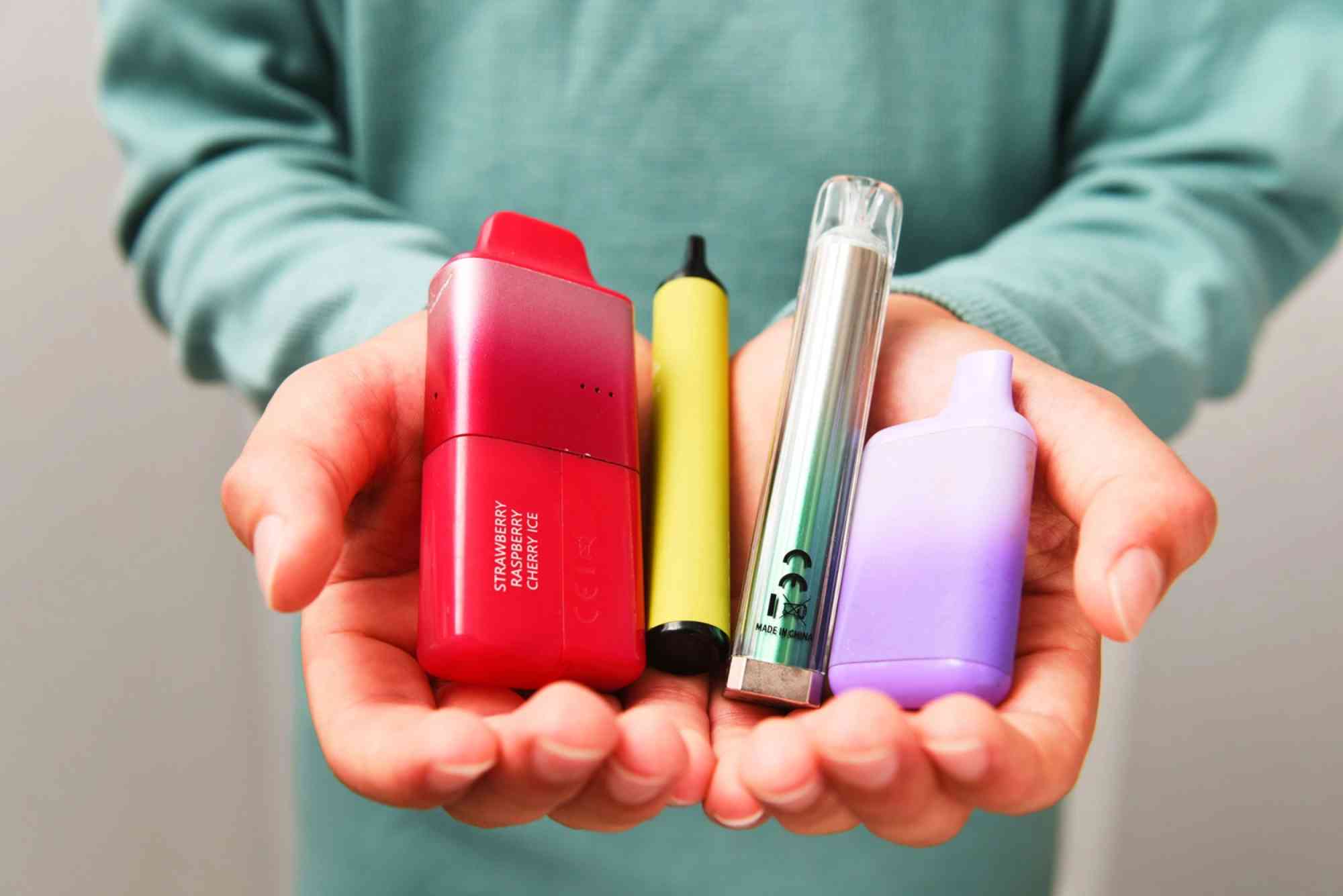
How Are Vapes FDA Approved Can Affect Vape Battery Safety
When people ask are vapes FDA approved, the question often goes beyond flavors or nicotine levels. Many vapers are curious whether FDA approval also impacts the safety of vape batteries. After all, a vape device is only as safe as its power source. Lithium-ion batteries, which are commonly used in vape mods, pods, and disposable devices, have known risks if poorly manufactured or misused. The Food and Drug Administration plays a significant role in regulating vaping products, and this includes setting expectations that indirectly affect battery safety. Understanding how approval works, and how it connects to the technology inside your device, is essential for both new and experienced vapers.
Understanding FDA Approval and Vapes
The FDA oversees tobacco and nicotine-related products in the United States. While traditional cigarettes were regulated for decades, vaping products entered the market quickly, leaving a regulatory gap. Today, for a vape product to be legally sold, manufacturers must submit it for a Premarket Tobacco Product Application (PMTA). This process determines whether the product is “appropriate for the protection of public health.”
However, when people ask are vapes FDA approved, the answer is more complicated than a simple yes or no. Few vaping products have gained full authorization. Most operate under temporary enforcement discretion while applications are reviewed. While the FDA’s primary focus is on nicotine delivery, product ingredients, and marketing claims, approval also connects to the overall reliability and safety of the device, which includes the battery.
Why Battery Safety Matters in FDA Oversight
Although the FDA does not directly design vape batteries, its standards push manufacturers to follow strict safety guidelines. A poorly designed or unstable battery can cause overheating, short-circuiting, or even explosions. These risks have made headlines in the past, raising concerns about the overall safety of vaping.
By requiring companies to prove product safety during the PMTA process, the FDA indirectly ensures that devices come with safer batteries, better charging systems, and consistent quality control. That means when people explore are vapes FDA approved, they are really asking if these products meet higher safety benchmarks, including those for batteries.
The Link Between FDA Regulations and Vape Batteries
Manufacturing Standards
When a company submits a vape for FDA review, they must provide detailed evidence of their product’s design and materials. This includes documentation of electrical components, battery specifications, and potential failure risks. Devices with substandard batteries or poor quality-control processes are far less likely to receive approval.

Consumer Protections
FDA oversight requires clear labeling and safety instructions. That means approved products must provide guidance on safe charging, storage, and usage. For batteries, this could mean warnings against using damaged chargers, mixing incompatible parts, or exposing devices to extreme temperatures. These steps reduce accidents caused by misuse.
Discouraging Counterfeit Devices
Another aspect tied to the question are vapes FDA approved is the fight against counterfeit and unregulated devices. Many battery-related incidents come from fake or cheaply made vapes that skip safety testing. FDA approval helps distinguish authentic devices from dangerous knock-offs, giving consumers more confidence in the products they use.
How FDA Approval Impacts Vape Battery Safety in Practice
Preventing Overheating and Explosions
One of the main concerns about vape batteries is thermal runaway, where overheating causes a chain reaction leading to fire or explosion. FDA-reviewed devices are required to meet safety benchmarks that help prevent such failures. For example, approval may favor devices with built-in protections like automatic shut-off, overcharge prevention, and short-circuit detection.
Encouraging Safer Charging Practices
Many battery failures come from improper charging. When manufacturers submit products for approval, they must show how the charging mechanism works and prove it is safe. This can include USB-C compatibility, voltage regulation, and smart charging chips. The result is safer charging for users.
Setting Standards for Longevity
Battery performance degrades over time, but FDA oversight encourages companies to use cells that maintain stability over longer periods. Approved devices are more likely to use higher-quality materials that resist swelling, leaking, or rapid deterioration.
Informing Public Health Decisions
When evaluating whether a vape is appropriate for public health, the FDA considers whether the device creates avoidable risks. Batteries that fail unpredictably could undermine harm-reduction benefits, making approval less likely. This motivates companies to prioritize durable, safe battery technology.
Common Misconceptions About FDA Approval and Batteries
Some people think FDA approval guarantees absolute safety. In reality, even approved vapes can carry risks if misused. Approval means the product meets minimum safety standards, but users still need to follow best practices. Another misconception is that the FDA directly designs or certifies batteries. In truth, the agency relies on manufacturers to provide testing data and safety certifications from independent labs.
Are Vapes FDA Approved for Battery Safety Alone?
The short answer is no. FDA approval does not focus solely on batteries but on the vape as a complete system. However, since the battery is an essential component, it cannot be ignored. Any weaknesses in battery safety can undermine an application, making it less likely to pass. So while there is no separate “battery approval,” the question of are vapes FDA approved still applies strongly to battery reliability.
How Consumers Can Benefit from FDA Oversight
When you buy an FDA-reviewed vape, you gain more than peace of mind about nicotine regulation. You are also purchasing a device with documented safety standards. Here’s how that benefits you:
- Reduced risk of overheating incidents
- More reliable charging and storage instructions
- Greater confidence in product authenticity
- Longer-lasting and higher-quality batteries
By asking are vapes FDA approved, consumers indirectly ask whether the product has passed tests that protect them from unsafe battery issues.
Challenges and Limitations
Even with FDA oversight, not all problems disappear. Enforcement takes time, and many unapproved devices still circulate in the market. Additionally, batteries are often sourced from global suppliers, and even reputable brands can face quality-control challenges. This means consumers must stay alert, checking whether their preferred device has undergone review and avoiding suspicious or counterfeit products.
The Future of Vape Batteries Under FDA Oversight
As regulations tighten, battery technology will likely improve further. Manufacturers may be pushed to adopt safer chemistries, integrate advanced protections, and design more user-friendly systems. The FDA may also issue clearer guidance specific to batteries as vaping becomes more regulated. For now, asking are vapes FDA approved remains one of the best ways for consumers to gauge whether they are buying a safer, more reliable device.
FAQ:
Are all vapes FDA approved?
No. Only a small number have received full FDA authorization. Most are still under review or unapproved.
Does FDA approval guarantee battery safety?
Approval means the battery meets minimum safety standards, but users must still handle devices responsibly.
Can unapproved vapes have unsafe batteries?
Yes. Many battery accidents are linked to counterfeit or unregulated devices lacking quality checks.
How do I know if my vape is FDA approved?
You can check the FDA’s official database of authorized tobacco products or ask the manufacturer directly.
Why is battery safety important in vaping?
Because lithium-ion batteries can fail if poorly designed, leading to overheating, fires, or explosions.
So, are vapes FDA approved, and does it matter for battery safety? The answer is yes—FDA approval directly affects how safe a vape’s battery is. While the agency does not approve batteries separately, its oversight encourages higher manufacturing standards, clearer safety guidelines, and protection against dangerous counterfeit devices.