

Is 2020 Vape Laws Putting Vapers at Risk?
The vaping industry has gone through rapid changes in the past decade. By 2020, several governments worldwide introduced stricter regulations to address rising concerns about youth vaping, product safety, and public health. These 2020 vape laws aimed to limit underage access and bring more control over the fast-growing industry. Yet, for many adult users who turned to vaping as a harm-reduction alternative to smoking, these restrictions raised questions: are 2020 vape laws putting vapers at risk?
Understanding the 2020 Vape Laws
The year 2020 was a turning point for the vaping industry. Governments tightened regulations in response to public pressure, studies linking vaping to youth addiction, and outbreaks of vaping-related lung illnesses. The U.S., European Union, and several other countries introduced sweeping changes.
Flavor Bans and Restrictions
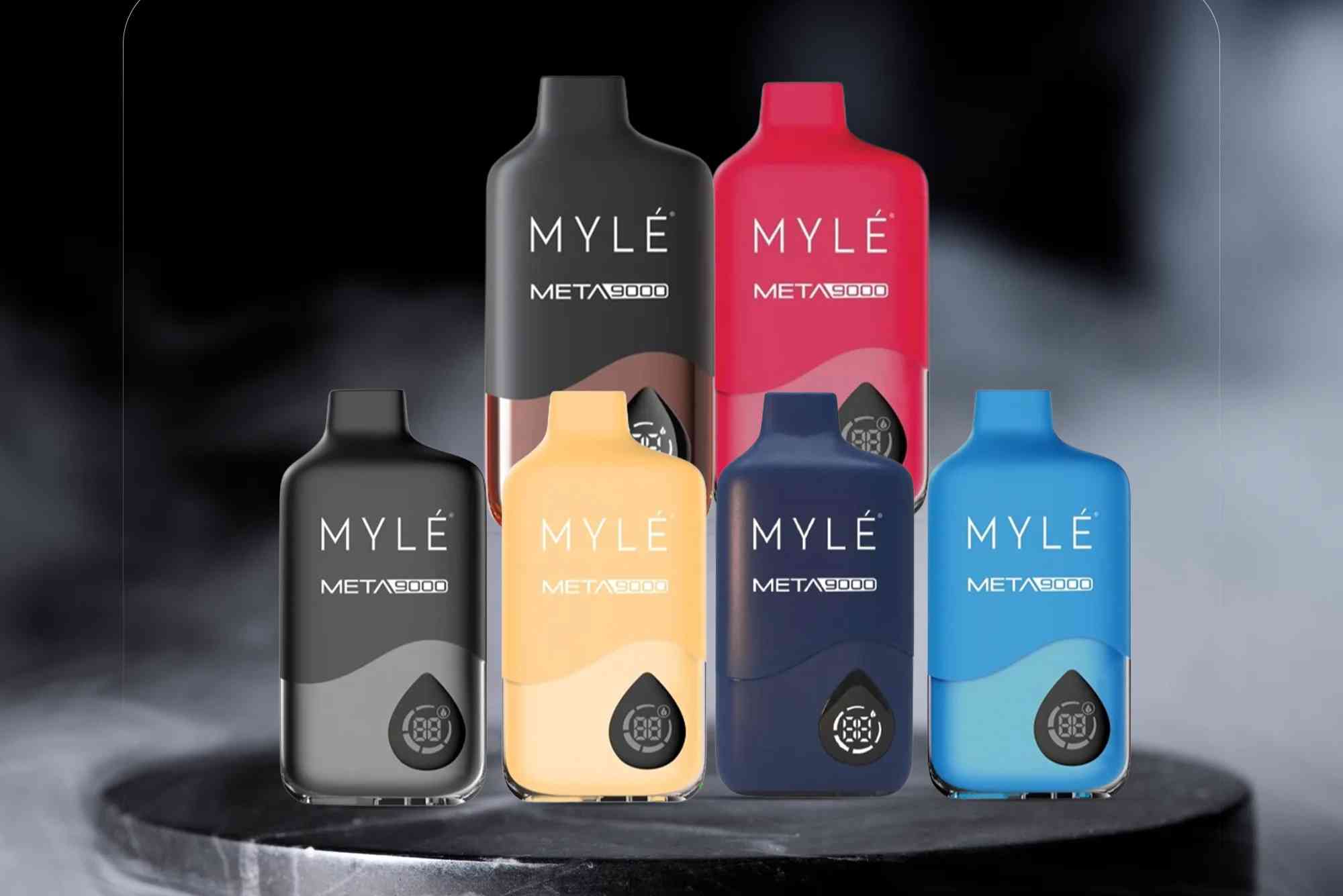
One of the most controversial measures was the ban on flavored vape products. Lawmakers argued that flavors like mango, mint, and cotton candy attracted underage users. While the goal was to curb teen vaping, adults who had successfully quit smoking by switching to flavored e-cigarettes felt penalized. Many reported that tobacco-flavored vapes made it harder to stick to vaping instead of returning to cigarettes.
Age Restrictions and ID Checks
By 2020, the legal purchasing age for vaping products in the U.S. increased to 21. Retailers were also required to enforce stricter ID checks. This measure helped reduce youth access but also made it harder for young adults between 18–20, many of whom smoked previously, to buy vape products legally.
Packaging and Warning Labels
Similar to traditional cigarettes, vape products were required to carry health warnings. Regulations demanded clearer labeling about nicotine content and potential risks. While this step improved consumer awareness, some argued the labels overstated risks compared to smoking, creating confusion about whether vaping was truly a safer alternative.
Taxation and Price Hikes
Several states and countries introduced new vape taxes in 2020. The goal was to discourage use and raise funds for public health initiatives. However, higher costs pushed some vapers to unregulated markets, increasing the risk of buying counterfeit or unsafe products.

Product Approval and Safety Standards
Regulatory bodies like the FDA began requiring manufacturers to submit applications proving product safety and effectiveness. While this move aimed to standardize the industry, it also led to smaller vape businesses shutting down due to high compliance costs. This reduced product diversity and concentrated power in the hands of a few large companies.
Do 2020 Vape Laws Protect or Harm Public Health?
The debate around vaping laws is complex. Policymakers often balance the need to protect youth with the importance of helping adult smokers quit. The 2020 vape laws had both positive and negative consequences.
Positive Impacts on Public Health
- Reduced youth access through stricter age verification.
- Increased awareness about nicotine addiction through warning labels.
- Stricter oversight on product safety reduced risks of contaminated or dangerous vape liquids.
Negative Impacts on Adult Vapers
- Flavor bans reduced effective smoking-cessation tools.
- Higher prices discouraged smokers from switching to vaping.
- Limited product availability pushed some consumers to unsafe black markets.
Are Vapers at Risk Because of 2020 Vape Laws?
Many experts argue that while well-intentioned, these laws had unintended consequences.
Risk of Returning to Smoking
For adult smokers who switched to vaping, flavored e-cigarettes played a key role in staying smoke-free. Restricting flavors may push some back to cigarettes, which are known to be more harmful than vaping.
Risk of Black-Market Products
When legal options shrink, demand does not disappear. Instead, it shifts to unregulated markets. Counterfeit vape cartridges, often containing unsafe ingredients, became more popular after flavor bans. The 2019–2020 vaping-related lung injury outbreak was strongly linked to black-market THC cartridges.
Risk of Misinformation
With sensational headlines about vaping illnesses, many adults misunderstood the relative risks of vaping compared to smoking. Laws requiring strong warning labels without context reinforced misconceptions. This led some smokers to wrongly believe vaping was just as harmful as smoking, discouraging them from switching.
Global Differences in 2020 Vape Laws
The impact of vaping regulations varied worldwide.
- United States: The Tobacco 21 law, flavor bans, and FDA oversight reshaped the market.
- European Union: Strict nicotine limits (20 mg/ml) and packaging rules were enforced.
- United Kingdom: Adopted a harm-reduction approach, continuing to encourage vaping as a safer alternative to smoking.
- Asia: Countries like India banned vaping outright, creating a thriving black market.
These differences show that policy outcomes depend on balance. While some countries used vaping to reduce smoking rates, others focused more on prohibition, sometimes creating greater risks.
Economic and Social Impact of 2020 Vape Laws
Impact on Small Businesses
Local vape shops faced heavy financial pressure from new compliance requirements. Many closed their doors, leaving consumers with fewer options.
Impact on Employment
The vaping industry had been a growing sector, employing thousands worldwide. New laws slowed growth and led to job losses in regions where restrictions were strictest.
Impact on Consumer Choice
Adult vapers often felt their choices were restricted. Unlike smokers who still had easy access to cigarettes, vapers faced reduced availability of safer alternatives.
Finding Balance in Vape Regulation
The 2020 vape laws reshaped the vaping landscape in ways that are still felt today. While these laws successfully addressed youth access and increased consumer safety standards, they also created new challenges for adult vapers. The risk of pushing users back to smoking or into black-market products shows that overly restrictive policies may backfire.
For policymakers, the lesson is clear: regulations must strike a balance between protecting youth and supporting harm reduction for adults. For vapers, the best step is staying informed, choosing regulated products, and advocating for fair laws that protect both safety and freedom of choice. If you are a vaper or someone considering switching from smoking, stay updated on your local regulations and choose trusted products. Share your story with lawmakers to ensure future policies protect health without restricting access to safer alternatives.
FAQs
Why were 2020 vape laws introduced?
They were introduced to address youth vaping rates, improve product safety, and reduce the risks associated with unregulated products.
Are 2020 vape laws effective in reducing youth vaping?
Yes, age restrictions and flavor bans reduced youth access. However, some teens still turned to black-market products.
Do 2020 vape laws make vaping less safe?
Indirectly, yes. By pushing users toward black-market products and limiting safer options, some regulations increased risks.
What is the biggest criticism of 2020 vape laws?
The main criticism is that they treat vaping the same as smoking, ignoring its potential as a harm-reduction tool for adult smokers.
Can 2020 vape laws help smokers quit?
In theory, regulations should make products safer. But restrictions on flavors and higher prices may discourage smokers from switching.