
Why Are Large Vapes Illegal Putting Vapers at Risk?
Vaping has become one of the most debated public health topics in recent years. Millions of people worldwide have turned to e-cigarettes as an alternative to smoking, and the variety of vaping devices has only increased. Among these, large vapes—often referred to as “high-capacity vapes” or “tank systems”—have sparked controversy. With rising regulations, many countries and states have either restricted or outright banned larger devices, raising the question: why are large vapes illegal, and are these bans putting vapers at risk?
Understanding the Basics: What Are Large Vapes?
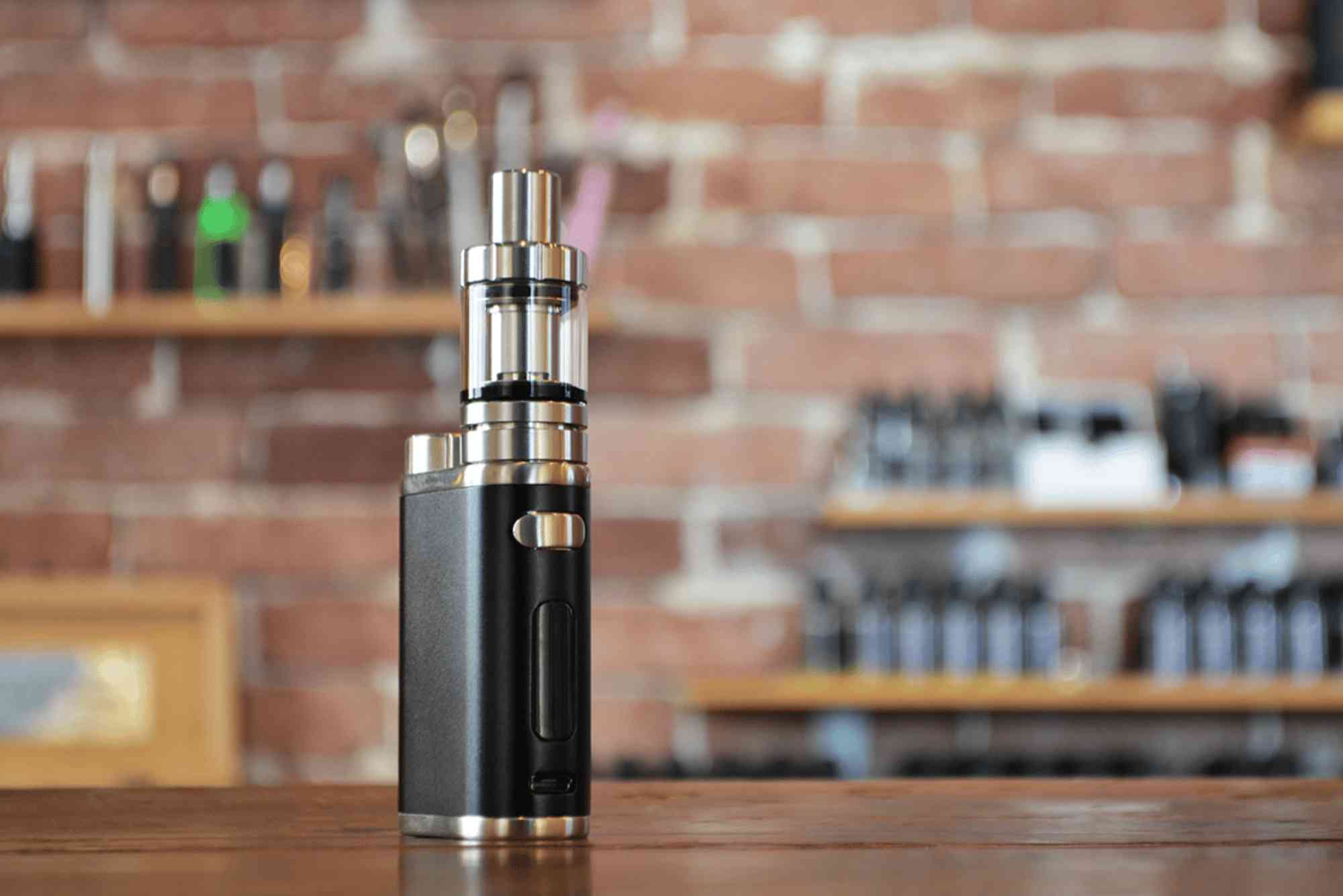
Large vapes are devices designed to hold more e-liquid and often feature larger batteries. Unlike disposable e-cigarettes, which are compact and intended for short-term use, large vapes allow customization, adjustable airflow, and longer vaping sessions. They are favored by experienced users who seek stronger performance, longer battery life, and cost efficiency.
Because these devices can deliver higher volumes of vapor, they often face scrutiny from lawmakers concerned about nicotine exposure, youth accessibility, and health risks.
Why Are Large Vapes Illegal in Some Regions?
The primary reasons often cited by governments for restricting or banning large vapes vary, but they generally fall into a few categories.
Public Health Concerns
Lawmakers argue that larger devices can deliver higher amounts of nicotine in shorter periods. High-capacity tanks may encourage heavier consumption, raising concerns about nicotine addiction. Public health agencies fear this could undo progress made in reducing smoking rates.
Youth Access and Appeal
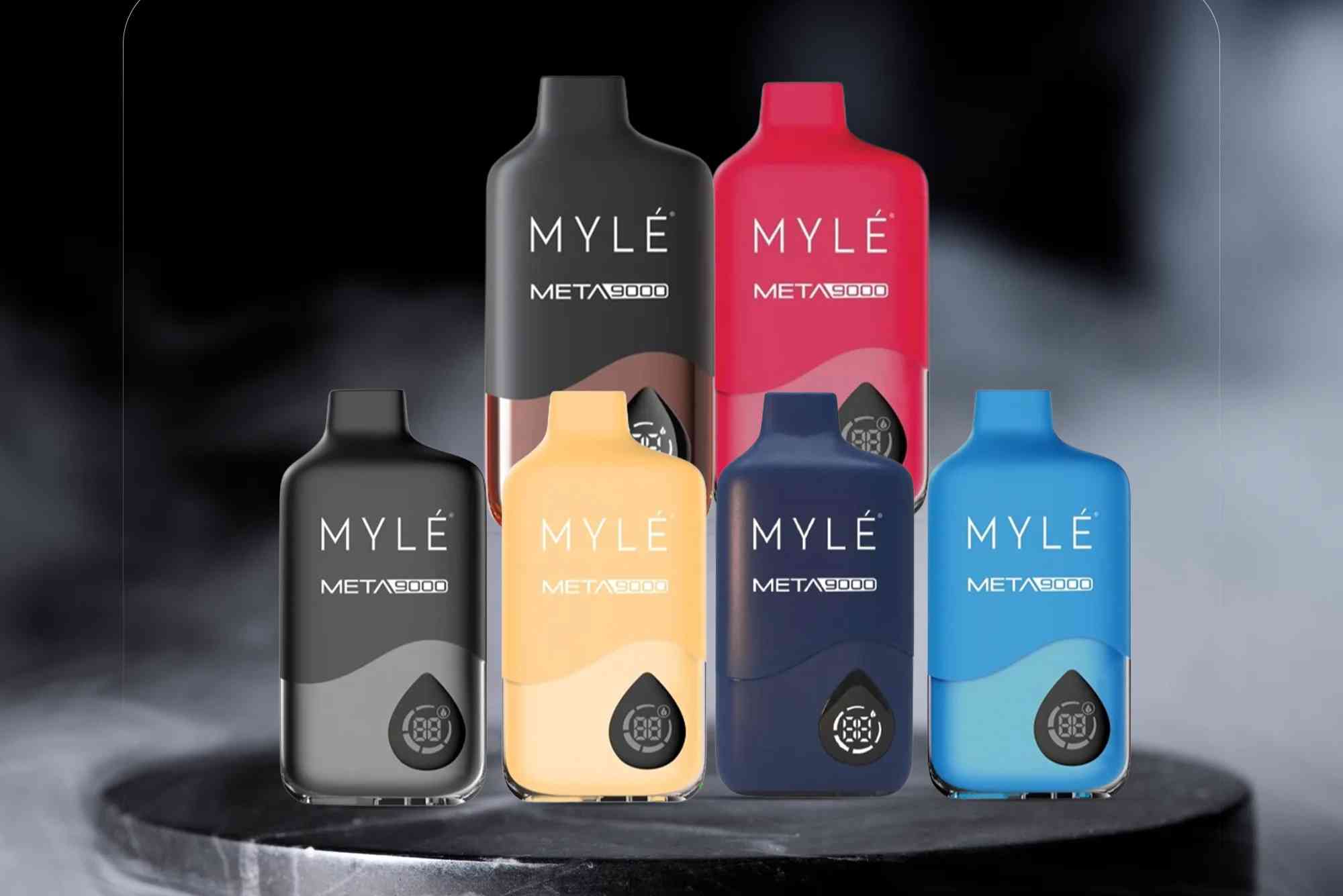
Another reason why large vapes are illegal in certain regions is their potential appeal to younger users. While smaller disposable vapes are easier to conceal, larger vapes with colorful designs and powerful vapor clouds have gained popularity on social media. Governments fear this visibility normalizes vaping among youth.

Environmental Impact
Large vapes often come with rechargeable batteries and refillable tanks. While this makes them more sustainable than disposables, regulators argue that the improper disposal of batteries and components still poses risks. Stricter laws are sometimes justified as environmental protections.
Tobacco Industry Pressure
It cannot be ignored that traditional cigarette sales continue to decline as vaping grows. Some experts suggest lobbying from the tobacco industry plays a role in why large vapes are illegal in certain regions. By restricting larger, refillable systems, governments may indirectly push consumers toward either smaller disposable vapes or back to traditional tobacco products.
Are These Bans Actually Protecting Consumers?
While the intent behind restrictions may sound valid, the consequences tell a different story. Banning larger vaping devices can sometimes create new risks for consumers.
Encouraging Black Market Products
When legal, regulated large vapes are banned, demand does not vanish. Instead, unregulated markets emerge, where consumers buy products without safety standards. This increases the risk of faulty batteries, contaminated e-liquids, or unsafe designs that could harm users.
Pushing Users Toward Disposables
Ironically, banning large vapes often pushes vapers toward disposable devices. These products contain smaller batteries and limited liquid, but they generate massive amounts of environmental waste. In addition, they are often more expensive in the long run, making vaping less affordable for those trying to quit smoking.
Limiting Harm Reduction Options
For many smokers, large vapes are a lifeline. Their customizable settings allow users to gradually reduce nicotine levels, making them an effective harm reduction tool. Removing this option may force some vapers back to cigarettes, which are proven to be far more dangerous.
Health Perspective: Are Large Vapes More Dangerous?
One of the strongest arguments for why large vapes are illegal centers around health risks. But does the science support these claims?
Nicotine Delivery
Yes, larger tanks can deliver more nicotine per puff. However, research shows that vapers self-regulate their intake, often reducing puff frequency when using stronger devices. In contrast, disposables with high nicotine salt concentrations may actually deliver more nicotine overall, without the ability to adjust settings.
Battery Safety
Large vapes with powerful batteries have occasionally made headlines due to malfunctions or explosions. While rare, these incidents fuel fears about safety. Yet most accidents stem from misuse, poor-quality aftermarket batteries, or black-market devices—not from regulated, legally sold large vapes.
Long-Term Health Impact
Studies suggest that vaping is significantly less harmful than smoking. Larger devices, when used responsibly, can help smokers quit by delivering nicotine more effectively than small disposables. From a harm-reduction standpoint, restricting large vapes may actually be counterproductive.
Global Differences in Vape Regulations
The question of why are large vapes illegal cannot be answered universally, as policies differ greatly around the world.
United States
The FDA has focused more on flavored vapes and disposable devices, though larger mods face restrictions under manufacturing and sales rules. Certain states, however, have taken steps to restrict high-capacity devices, citing youth use concerns.
European Union
The EU imposes strict limits on e-liquid tank sizes (no larger than 2ml) and nicotine concentration (20mg/ml). These restrictions effectively ban many larger vapes, pushing consumers toward smaller, less customizable products.
Australia
Australia enforces some of the strictest vaping laws in the world. Nicotine-containing e-liquids are only available with a prescription, and many larger vaping devices fall under import restrictions.
Asia and Middle East
Countries like Singapore and Thailand outright ban vaping devices, regardless of size. In contrast, other nations allow sales but impose limitations on capacity and nicotine strength.
These global differences highlight that legality often depends on local politics and health agendas rather than clear evidence of harm.
The Consumer Impact of Large Vape Restrictions
When examining why are large vapes illegal, it’s important to consider the human side of regulation.
- Many smokers turn to larger vapes as a way to quit cigarettes effectively.
- Restrictions reduce consumer choice, forcing people into less effective alternatives.
- The rise of black markets undermines safety and makes it harder for governments to monitor vaping trends.
- Disposable vapes, which often remain legal, create significant environmental damage compared to refillable large devices.
In many ways, these bans appear to harm both public health and environmental goals rather than support them.
Rethinking Vape Laws
The ongoing debate around why are large vapes illegal reveals the tension between public health intentions and real-world consequences. While lawmakers aim to reduce nicotine addiction and youth use, banning large vapes may backfire by pushing consumers toward disposables, black markets, or even back to smoking.
Large vapes are not without risks, but they remain an important harm reduction tool for millions of smokers seeking a safer alternative. Instead of outright bans, a balanced approach—focusing on regulation, safety standards, and education—may better protect both public health and consumer freedom. If you are a smoker considering vaping as an alternative, research local laws and explore safe, regulated products. Advocate for evidence-based regulations that prioritize harm reduction over prohibition. By staying informed, you can make healthier choices and help shape a more reasonable conversation around vaping.
FAQs
Why are large vapes illegal in some countries?
Governments argue that large vapes deliver more nicotine, appeal to youth, and pose safety risks.
Are large vapes worse than disposable vapes?
Not necessarily. Large vapes are customizable and refillable, while disposables often contain higher nicotine levels and generate more waste.
Can large vapes help people quit smoking?
Yes, many users find large vapes more effective because they can reduce nicotine gradually and customize their experience.
Do vape bans reduce youth vaping?
Evidence is mixed. Some bans shift young people to black-market products or disposable vapes instead of reducing overall use.
What happens if I buy a large vape where it’s illegal?
Penalties vary. In some regions, you risk fines or confiscation, while in others stricter legal consequences may apply.