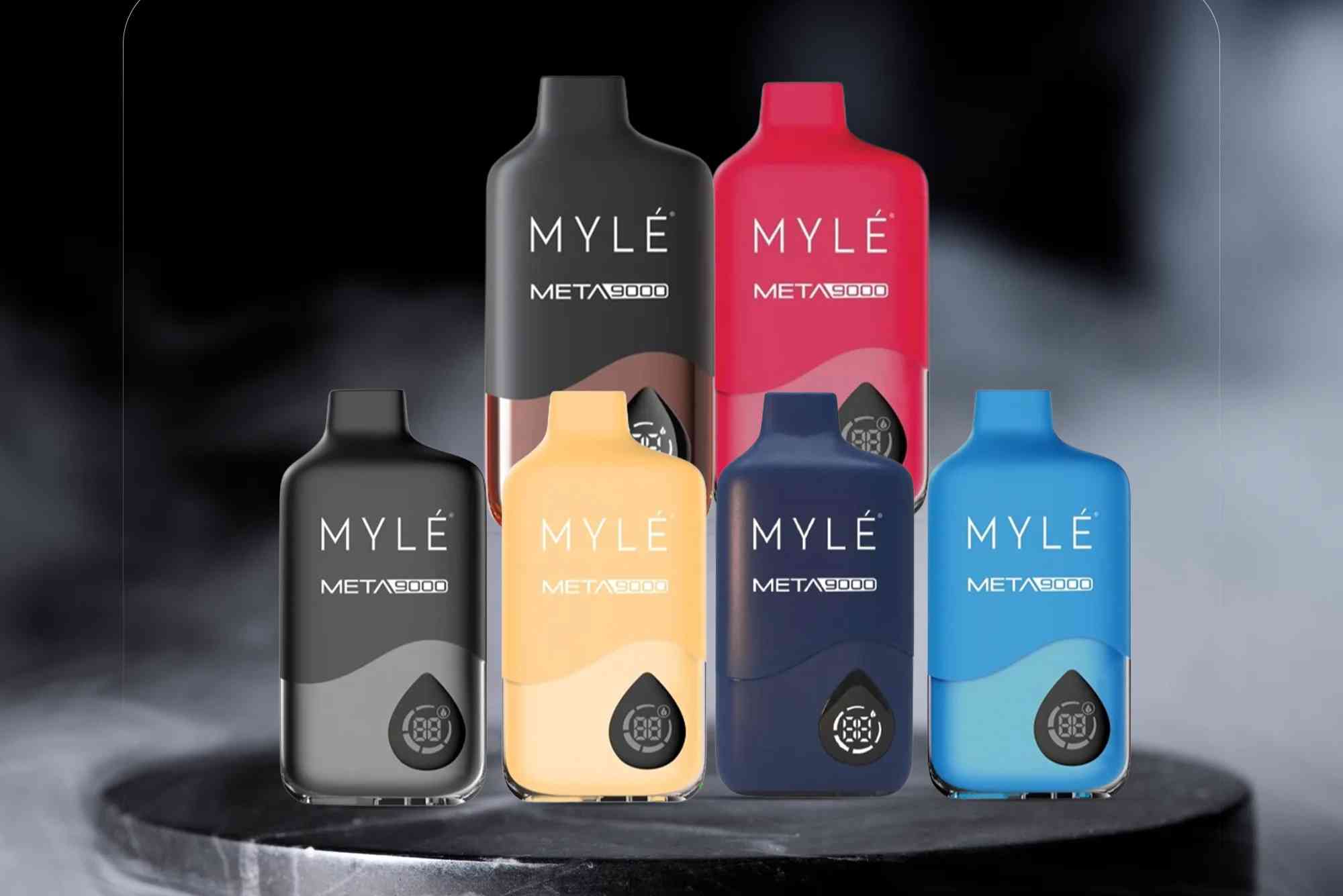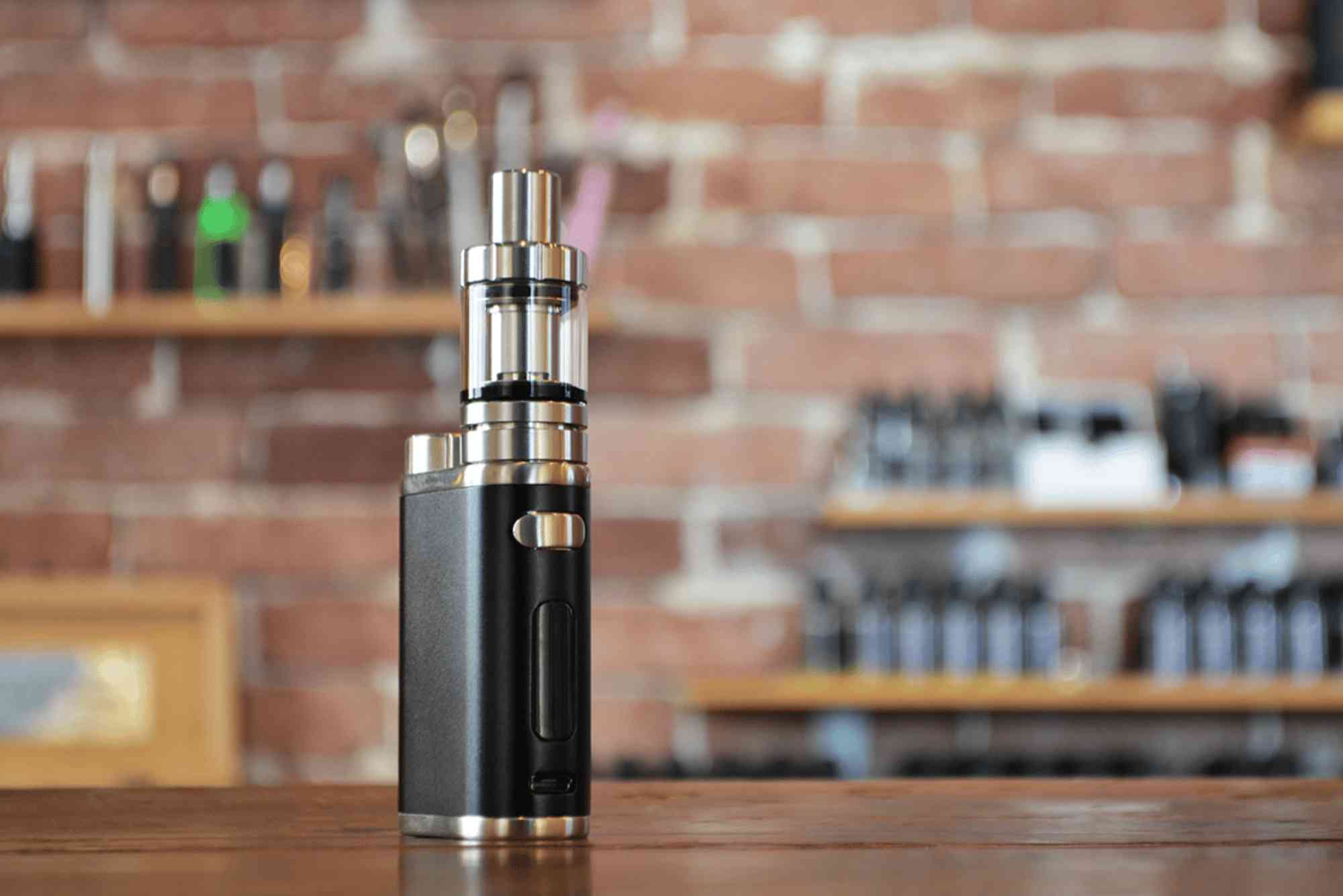


Is Law on Vaping at Work Putting Vapers at Risk?
The rise of vaping over the past decade has reshaped how people view nicotine consumption. Once marketed as a safer alternative to smoking, vaping quickly gained popularity in workplaces, social spaces, and even homes. However, as its popularity grew, governments and employers introduced new restrictions. The law on vaping at work has become one of the most debated workplace regulations worldwide. While these laws aim to protect non-vapers and maintain professional environments, many employees feel such restrictions put them at risk. Understanding how workplace vaping laws work is crucial for both vapers and employers to create safe and fair environments.
Vapers argue that banning e-cigarettes indoors pushes them outside, exposing them to weather conditions and social stigma. On the other hand, employers emphasize health concerns, productivity, and corporate image. So, the question remains—is the law on vaping at work truly putting vapers at risk, or is it protecting everyone involved?
Understanding the Law on Vaping at Work
The law on vaping at work differs depending on the country, state, and even the company. Unlike traditional smoking bans, which are clear and widely accepted, vaping regulations are still evolving. Some governments classify e-cigarettes the same as tobacco products, while others leave the decision to employers.
Many workplaces now include vaping under their smoke-free policies, meaning employees cannot vape indoors, at desks, or in shared spaces. In some cases, even designated smoking areas are off-limits to vapers. This creates uncertainty for employees who view vaping as distinct from smoking.
Why Employers Enforce Vaping Bans
Employers often introduce strict vaping policies for several reasons.
Protecting Non-Vapers
Although vaping produces vapor, not smoke, many worry about secondhand effects. Research is ongoing, but concerns about air quality, odors, and exposure to nicotine make employers cautious.

Maintaining Professional Image
A workplace represents a brand. Employers fear that allowing vaping in open spaces could appear unprofessional to clients and visitors. Visible vapor clouds may be seen as distracting or inappropriate.
Avoiding Legal Risks
Employers also want to avoid lawsuits. If an employee claims health issues due to exposure to vapor in the office, the company could face legal action. Therefore, banning vaping indoors becomes a preventive measure.
Risks Vapers Face Under Workplace Laws
For vapers, these restrictions create challenges beyond inconvenience. The law on vaping at work may unintentionally harm them in different ways.
Exposure to Outdoor Conditions
In workplaces with strict bans, vapers are forced to step outside, often joining smokers in designated areas. This means exposure to cold, heat, or rain, which can affect health and comfort.
Association with Smokers
Vapers who don’t identify as smokers often feel unfairly grouped with them. Being sent to the smoking area creates social stigma, especially for those who quit cigarettes and switched to vaping.
Reduced Productivity
Frequent trips outside for a quick vape break can reduce productivity. Unlike smoking, vaping usually involves shorter sessions, but workplace bans make even a short vape inconvenient.
Stress and Withdrawal
Employees who rely on nicotine may experience stress if they cannot vape during work hours. This can affect concentration, mood, and overall performance.
Are Workplace Vaping Laws Too Harsh?
Critics argue that treating vaping the same as smoking ignores the differences between the two. While cigarettes release harmful tar and toxins, e-cigarettes produce vapor with fewer harmful substances. By lumping both together, workplaces may discourage smokers from switching to a potentially safer alternative.
However, public health experts counter that the long-term effects of vaping are still not fully understood. Until more research is available, companies adopt a cautious approach. This cautiousness may be reasonable, but it undeniably affects vapers who feel penalized for their choices.
Balancing Workplace Safety and Vapers’ Rights
The ideal solution lies in balance. Employers must protect employees from potential risks, but they should also respect the rights of vapers. Fair policies can help avoid unnecessary conflicts.
Clear Communication
Workplaces should provide transparent guidelines about vaping. Employees must know where they can vape and what restrictions apply. Unclear rules lead to confusion and resentment.
Designated Vaping Areas
Instead of grouping vapers with smokers, companies can provide separate vaping zones. This reduces exposure to smoke while giving vapers their own space.
Flexible Break Policies
Since vaping often requires shorter sessions, employers could allow brief breaks without affecting productivity. This approach acknowledges differences between vaping and smoking.
Education and Awareness
Employers should educate staff about vaping rather than relying on assumptions. Understanding the facts can reduce stigma and lead to more balanced rules.
Global Differences in Workplace Vaping Laws
The law on vaping at work varies widely across the globe.
In the United States, many states extend smoking bans to vaping, but some allow individual companies to decide. In the UK, vaping is not legally banned indoors, but most employers choose to restrict it. Meanwhile, countries like Singapore and Thailand impose strict nationwide bans on vaping, making workplace use completely illegal.
These variations show how cultural attitudes and government policies shape workplace rules. What is acceptable in one country may be a punishable offense in another.
The Future of Workplace Vaping Policies
As research on vaping grows, workplace laws are likely to change. If studies confirm vaping is significantly less harmful than smoking, companies may consider more relaxed policies. However, if evidence shows long-term health risks, restrictions could tighten further.
Technology may also play a role. Smokeless, odorless vaping devices are being developed, which may make indoor use more acceptable in the future. Until then, the debate will continue.
FAQs
Can employers ban vaping at work?
Yes. Even if national laws don’t restrict vaping, employers have the right to set workplace policies banning it.
Is vaping indoors illegal?
It depends on the country and region. In many places, vaping indoors is treated the same as smoking.
Can I be fired for vaping at work?
If your employer bans vaping and you repeatedly ignore the policy, you could face disciplinary action, including termination.
Are there health risks from secondhand vapor?
Research is ongoing, but current studies suggest secondhand vapor contains fewer toxins than smoke. Still, employers often act cautiously.
Do workplaces need to provide vaping areas?
No law requires separate vaping areas, but some companies offer them as a compromise.
The law on vaping at work was created to protect employees, but it can unintentionally place vapers at risk. From exposure to harsh weather to workplace stigma, these laws affect daily routines. At the same time, employers must maintain a safe and professional environment.