
Introduction
The question of what states sell flavored vapes has become one of the most debated topics in recent years. With vaping now a multibillion-dollar industry, lawmakers and health advocates are struggling to balance adult choice with youth protection. Some states allow flavored vapes under certain regulations, while others have imposed complete bans. For vapers, this patchwork of laws raises confusion and even risk, especially when products are purchased from unreliable sources or the black market. Understanding the legal landscape and potential consequences is essential for anyone who vapes or is considering it.
The Rise of Flavored Vapes
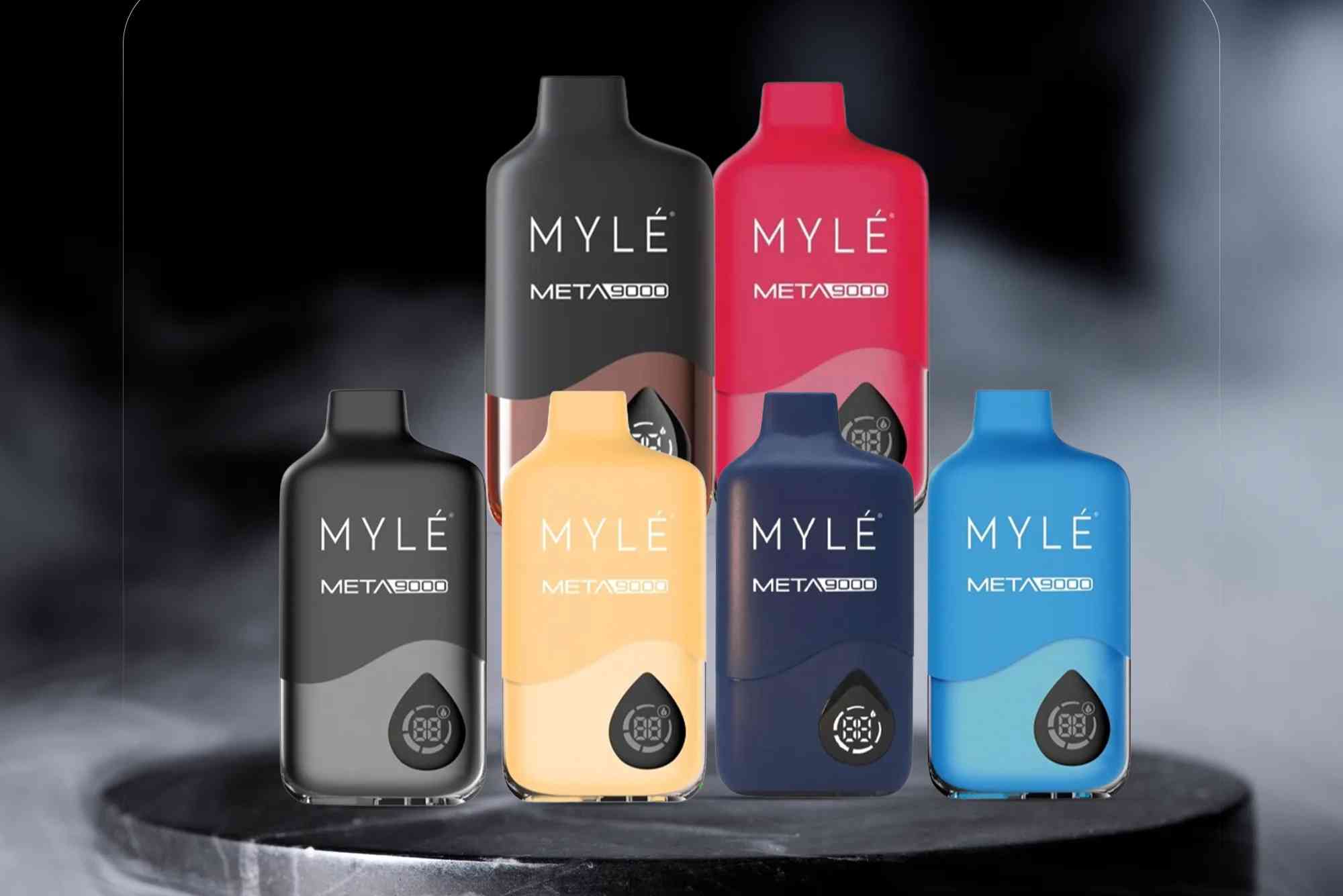
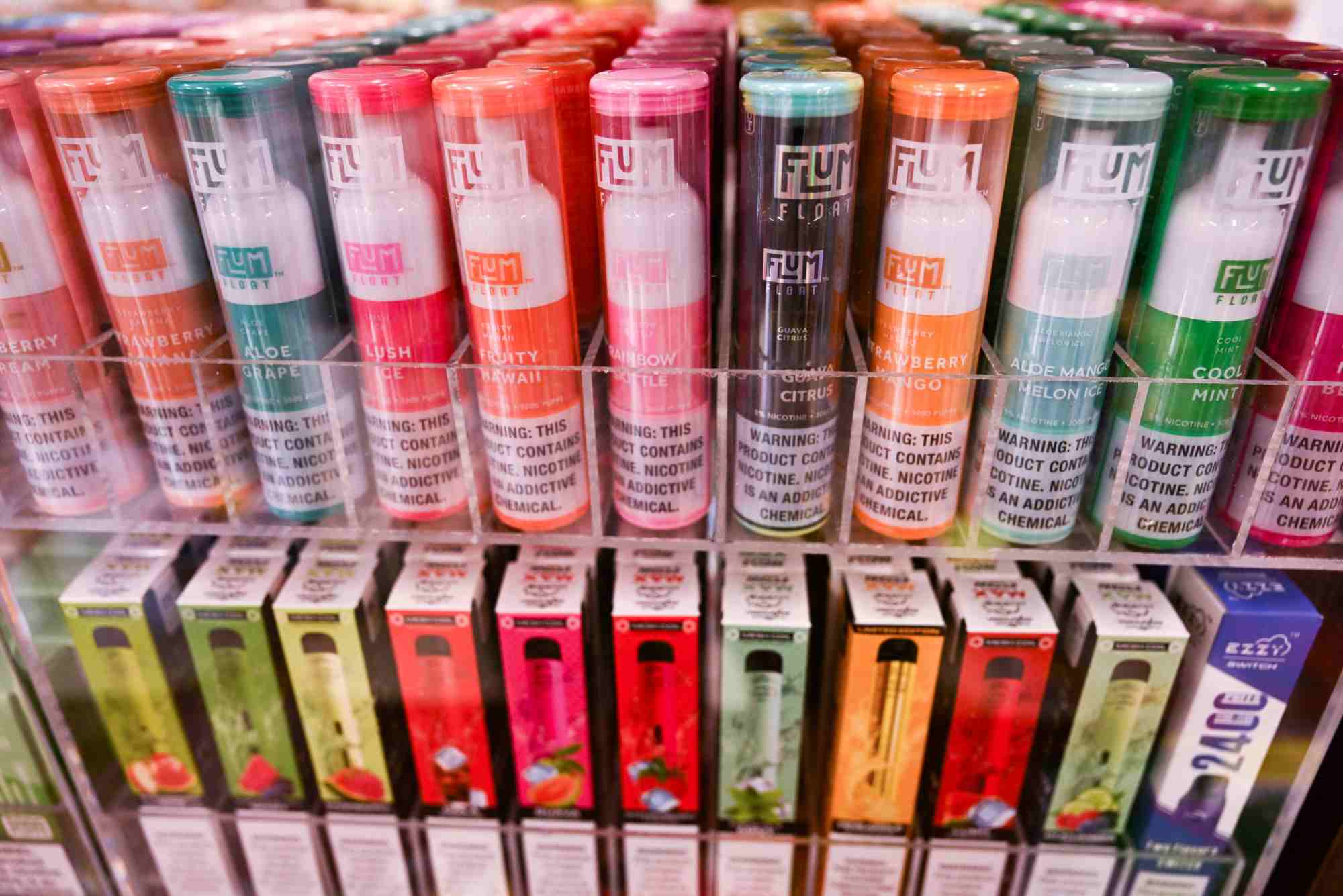
Flavored vapes first gained popularity in the early 2010s. Manufacturers discovered that fruit, candy, and dessert flavors attracted not only adult smokers looking for an alternative but also a younger audience. While many adults argue that flavors help them quit traditional cigarettes, public health officials worry that sweet and minty flavors act as a gateway for teens who might never have smoked otherwise. This tension is at the heart of why some states still allow flavored vapes, while others strictly prohibit them.
What States Sell Flavored Vapes Legally?
States with Partial Allowance
In states where flavored vapes remain available, regulations vary. Some permit only tobacco and menthol flavors while others allow a broader range if sold in specific stores or under certain labeling rules. For example, a few states permit specialty vape shops to sell flavored products but restrict their sale in gas stations or convenience stores. This controlled distribution aims to reduce youth access without stripping adult users of choices.
States with Bans
Several states, such as Massachusetts and New York, have outright bans on most flavored vapes. The goal is clear: reduce youth vaping rates by removing the products most appealing to them. However, the effectiveness of these bans is still debated. Many consumers find ways around restrictions by purchasing online, crossing state lines, or turning to unregulated sellers. This creates another set of risks that lawmakers did not fully anticipate.
Why Does It Matter What States Sell Flavored Vapes?
The patchwork of laws across the U.S. has created uncertainty. For vapers who travel frequently, knowing which states permit flavored vapes can prevent legal trouble. More importantly, inconsistent rules drive some users toward underground markets, where safety and product quality are questionable. The very laws designed to protect public health can sometimes unintentionally put vapers at greater risk.
The Public Health Debate
Concerns About Youth Vaping
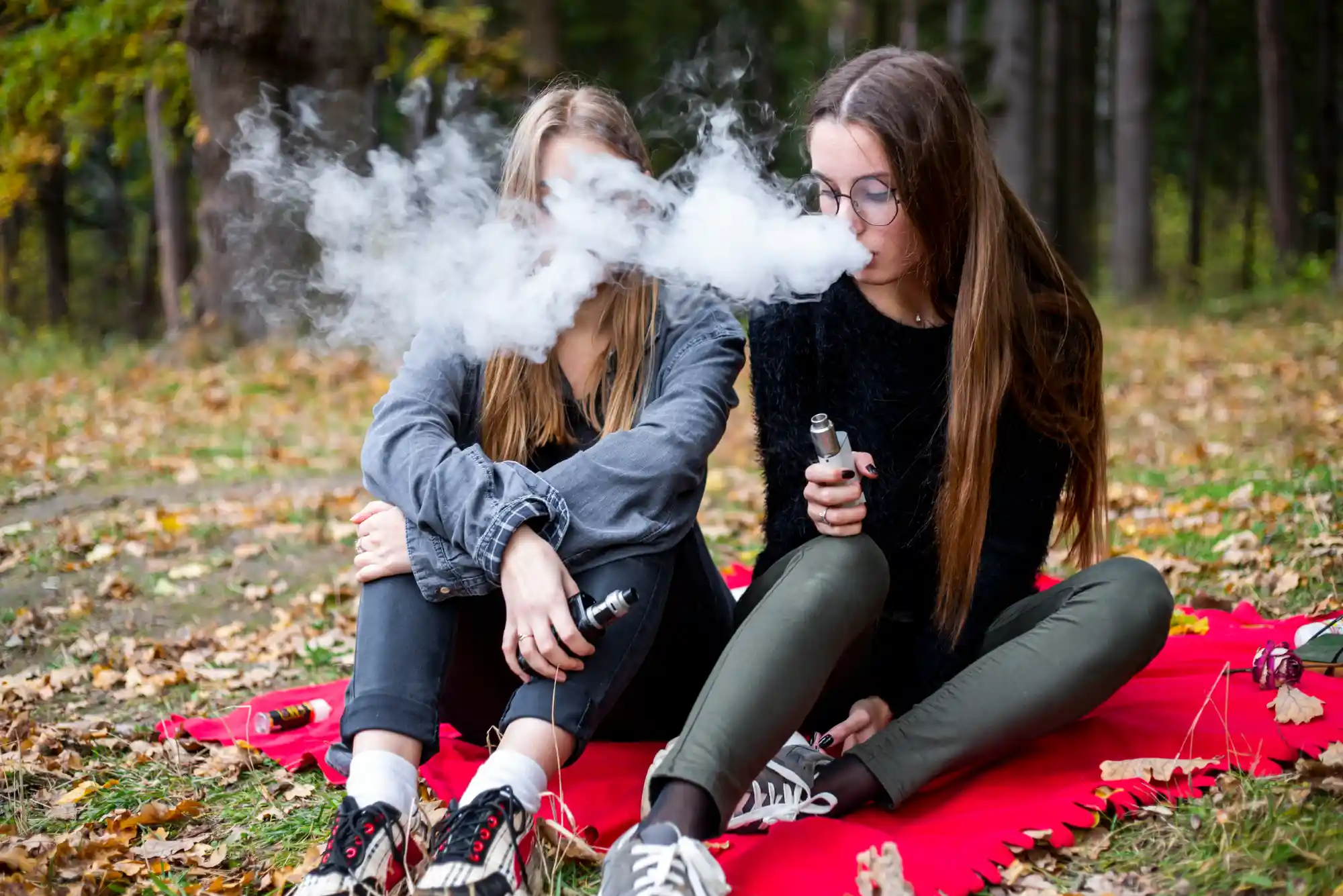
The biggest argument against flavored vapes is their appeal to teens. National surveys show that flavors like mango, bubblegum, and mint are among the top choices for underage users. Health officials argue that without flavored options, fewer young people would start vaping in the first place.

Harm Reduction for Adults
On the other side, vaping advocates insist that flavored vapes are a crucial tool for smoking cessation. Traditional cigarette smokers often dislike tobacco-flavored e-liquids because they remind them of cigarettes. Flavors like vanilla or fruit provide a cleaner break from smoking, making it easier to quit. Restricting flavors, they argue, may push some adults back to smoking, which is widely acknowledged to be more harmful than vaping.
Risks Associated with Flavored Vape Restrictions
When flavored vapes are banned in certain states, many vapers turn to online markets or unlicensed sellers. This introduces several risks, including exposure to counterfeit products, contamination, or unsafe levels of nicotine. The 2019 EVALI outbreak, where thousands of Americans suffered lung injuries linked to illicit THC cartridges, is a cautionary tale of what happens when the legal supply is restricted but demand remains high. By limiting access to regulated flavored vapes, lawmakers may be unintentionally increasing the risk of unsafe consumption.
Federal vs. State Regulations
While the U.S. Food and Drug Administration (FDA) has authority over vaping products, states often enact their own stricter laws. The FDA banned certain flavored cartridge-based products in 2020, targeting popular devices like JUUL, but it left room for disposable vapes and refillable e-liquids. States like California and Massachusetts went further, banning nearly all flavored vape sales. This clash between federal and state policies makes it hard for vapers to know where they stand legally.
The Role of Online Sales
Even in states with bans, flavored vapes are often just a click away. Online vendors, many of them overseas, continue to ship products across state lines. While age verification has improved, it is not foolproof. The internet makes state bans harder to enforce, which means the legality of flavored vapes depends not only on where someone lives but also on how easily they can access online marketplaces. For many adults, this raises questions about fairness and whether the bans truly protect anyone.
Economic Impact of Flavored Vape Laws
The vaping industry is not just about consumers—it supports thousands of small businesses. Vape shops, wholesalers, and manufacturers all rely on flavored products for revenue. When states ban these products, many shops shut down or move into gray markets. This not only affects business owners but also eliminates safe, regulated places for adults to purchase vaping products. Critics of flavor bans argue that they destroy legitimate businesses while fueling black markets.
Are Flavored Vapes More Dangerous Than Tobacco?
A common misconception is that flavored vapes are inherently more dangerous than tobacco-flavored ones. In reality, the base ingredients are usually the same: propylene glycol, vegetable glycerin, nicotine, and flavorings. The real difference lies in appeal, not chemistry. However, poorly made or counterfeit flavored vapes may contain unsafe additives. Thus, the danger is less about the flavor itself and more about the quality of the product and how it is regulated.
What Vapers Can Do to Stay Safe
For those living in states with strict regulations, the best option is to buy only from reputable and legal sources. Avoiding unlicensed sellers is crucial, even if the prices are lower. Vapers should also stay informed about changes in local laws, as new restrictions are often introduced without much warning. Understanding the legal and health risks ensures that individuals make informed choices, regardless of what states sell flavored vapes legally.
The debate over what states sell flavored vapes highlights a deeper struggle between public health concerns and adult freedom of choice. While flavor bans aim to protect youth, they may unintentionally push vapers toward unsafe alternatives. Adults who rely on flavors to quit smoking are often left with fewer options, leading some back to cigarettes. The best path forward may not be complete bans but smarter regulations that balance safety with accessibility.
If you vape or are considering vaping, educate yourself about your state’s laws and the potential risks of buying from unregulated sources. By staying informed, you protect not only your health but also your right to make responsible choices.
FAQs
What states still allow flavored vapes?
Some states permit flavored vapes with restrictions, while others, like Massachusetts and California, have banned most flavors.
Why are flavored vapes banned in some states?
Flavored vapes are banned to reduce youth vaping, as flavors are seen as more appealing to teenagers.
Can you buy flavored vapes online legally?
It depends on state laws. Some states restrict shipments, while others allow online purchases with age verification.
Are flavored vapes worse than tobacco vapes?
Not necessarily. Both use similar ingredients. The risk lies in unregulated or counterfeit products, not the flavor itself.
Will flavored vapes ever be legal nationwide again?
That depends on future FDA rulings and state-level policies. Lawmakers continue to debate whether bans are effective or harmful.