
How Vapor Product Can Affect Vape Battery Safety
Vapor products have revolutionized the way people enjoy nicotine, offering a modern alternative to traditional smoking. However, while these devices provide convenience, they also come with safety considerations, particularly regarding vape batteries. Understanding how a vapor product interacts with batteries can prevent accidents, prolong device life, and ensure a safe vaping experience.
Understanding Vapor Products
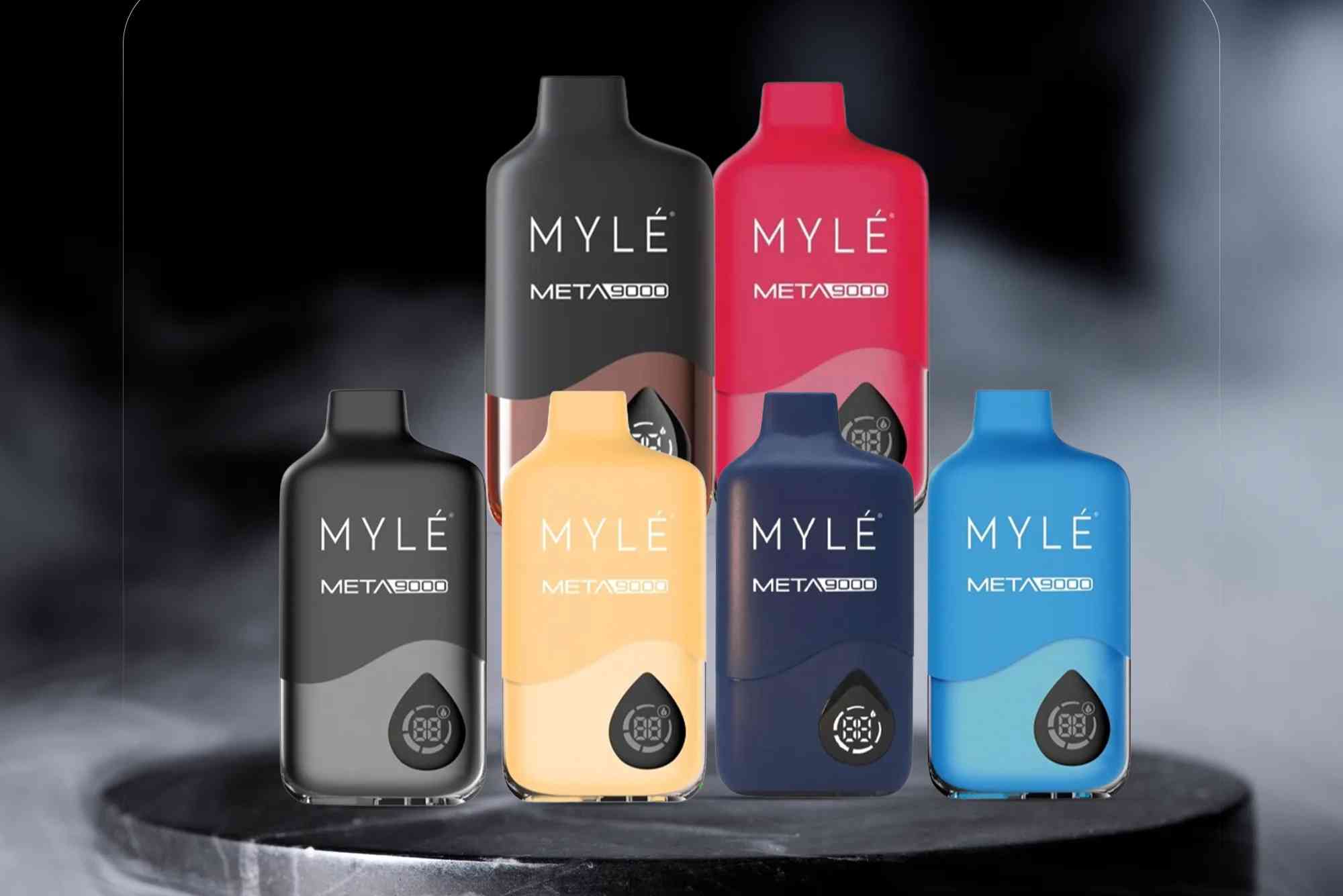
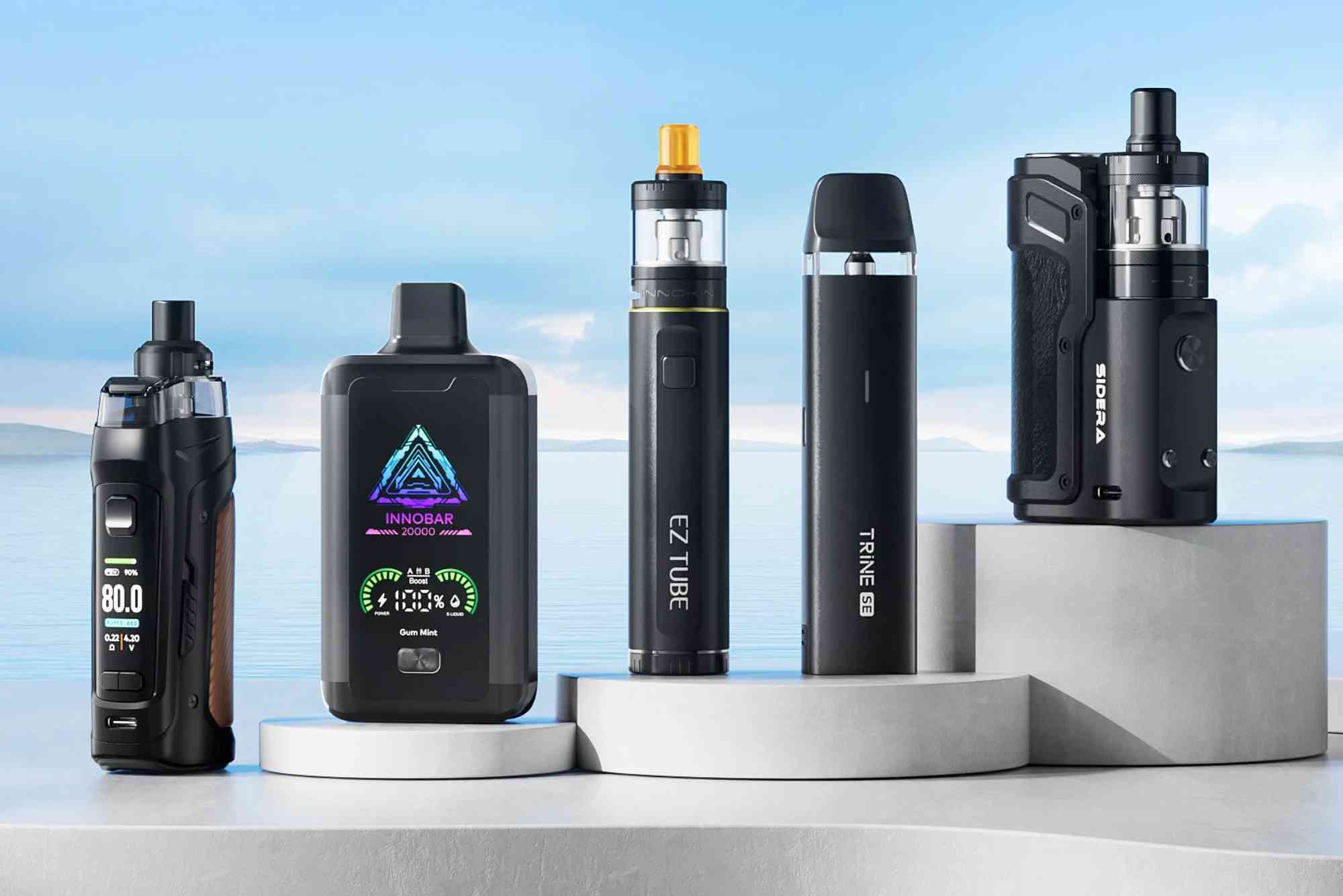
Vapor products are electronic devices designed to heat e-liquids or nicotine salts, creating inhalable vapor. They range from disposable vapes to advanced mod systems. While these devices vary in size and complexity, most rely on rechargeable lithium-ion batteries.
How Vapor Products Work
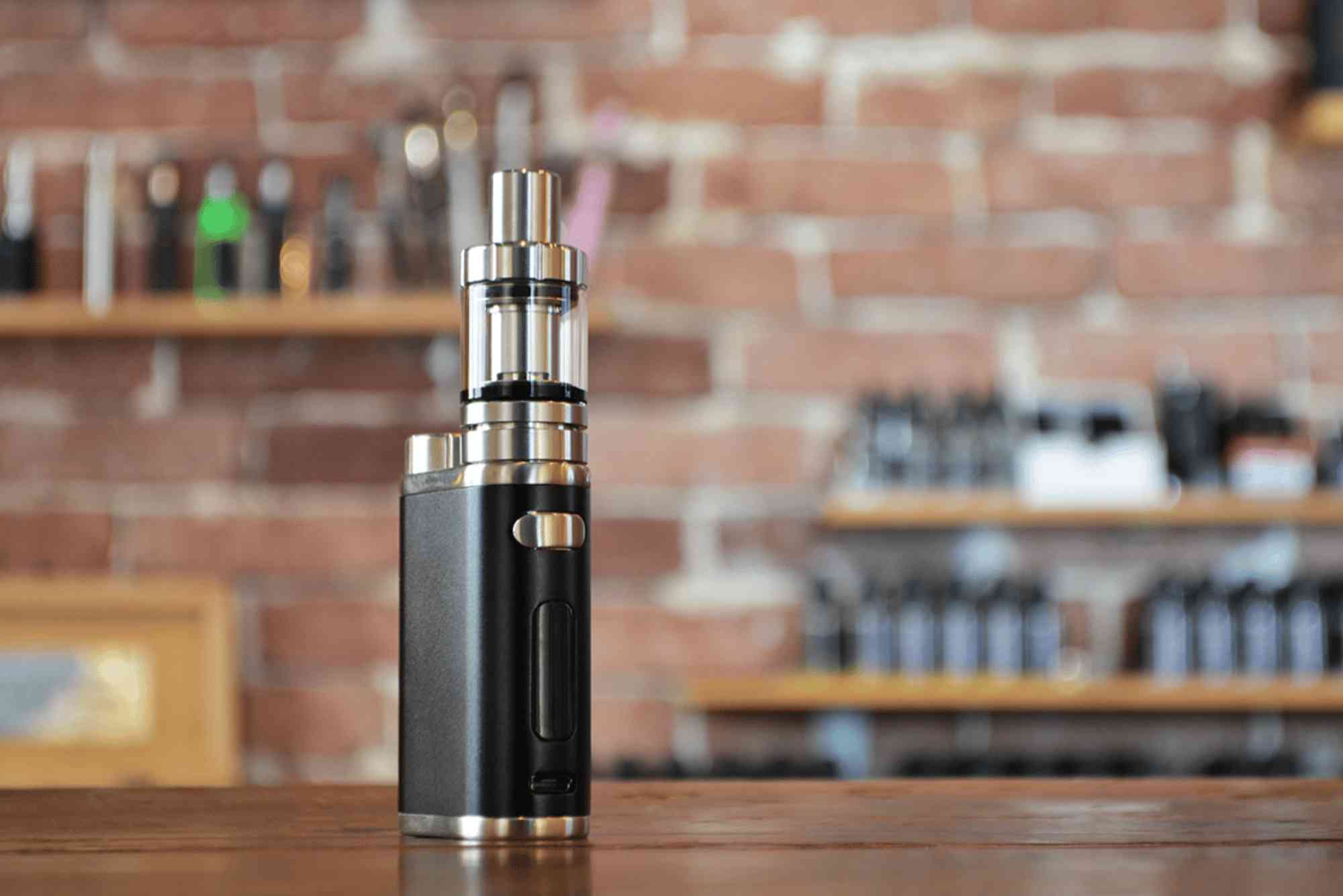
A vapor product typically consists of a battery, a heating coil, and a reservoir for the e-liquid. When the battery powers the coil, it heats the liquid into vapor. The performance of the battery directly affects the efficiency and safety of this process.
Types of Vapor Products
Vapor products come in several forms:
- Disposable vapes: Compact, single-use devices with precharged batteries.
- Pod systems: Rechargeable, easy-to-use devices suitable for beginners.
- Box mods: Advanced devices offering higher power and customizable settings.
Each type places different demands on the battery, making awareness of safety protocols critical.
Vape Battery Basics
Lithium-ion batteries are the standard for vapor products due to their high energy density and rechargeability. However, misuse or improper maintenance can lead to malfunctions or dangerous events like overheating, venting, or explosions.

Factors Affecting Battery Safety
- Overcharging: Continuously charging a battery beyond its capacity can cause overheating and reduce lifespan.
- Physical Damage: Dropping or puncturing a battery can trigger internal short circuits.
- Incorrect Storage: Extreme temperatures or moisture can compromise battery integrity.
Battery Maintenance Tips
To ensure safety, users should always:
- Use the charger provided by the manufacturer.
- Avoid leaving the device charging unattended.
- Inspect batteries regularly for damage or swelling.
How Vapor Products Impact Battery Safety
The design and usage of a vapor product can directly influence battery safety. Understanding this connection helps prevent accidents and ensures a longer lifespan for the device.
Power Demand
High-power vapor products, like box mods, draw significant energy from the battery. Continuous high wattage or prolonged usage can overheat the battery if it is not designed for such load.
Coil Resistance
The resistance of the coil in a vapor product affects battery stress. Low-resistance coils allow higher current, which can increase the risk of overheating. Matching coil resistance to the battery’s capacity is essential.
E-Liquid Composition
Some vapor products use thicker or high-nicotine e-liquids that require longer heating times. Extended battery use without rest can generate excessive heat, potentially leading to battery degradation.
Charging Practices
Advanced vapor products often support fast charging. While convenient, fast charging can generate more heat than standard rates, emphasizing the importance of high-quality chargers and monitoring.
Signs of Battery Problems
Recognizing early warning signs is crucial for safety. Users should look out for:
- Swollen or deformed batteries
- Strange odors or smoke
- Device overheating during use
- Unresponsive firing buttons
Addressing these signs promptly can prevent dangerous incidents.
Best Practices for Safe Vaping
Ensuring vape battery safety involves combining proper product selection, usage, and maintenance.
Choose Quality Vapor Products
Invest in reputable brands that follow strict manufacturing standards. Cheap or counterfeit devices often lack protective circuitry.
Follow Manufacturer Guidelines
Always read the device manual, paying attention to:
- Maximum wattage limits
- Recommended coil resistance
- Approved chargers and batteries
Store Batteries Properly
Keep spare batteries in protective cases, away from metal objects, moisture, and extreme temperatures.
Regular Maintenance
Clean the device, inspect battery contacts, and replace worn-out components. Proper upkeep reduces the risk of short circuits and device failure.
Vapor products offer a safer alternative to smoking, but they are only as safe as the batteries that power them. Understanding how your device impacts battery performance and taking preventive measures ensures a secure vaping experience. By selecting quality devices, following proper charging practices, and maintaining batteries carefully, users can enjoy their vapor products without compromising safety.
FAQs
Can all vapor products cause battery hazards?
Yes, any vapor product using lithium-ion batteries can pose risks if misused or damaged. Proper care reduces hazards significantly.
How often should I replace my vape battery?
Replace batteries showing signs of swelling, damage, or reduced performance. Typically, batteries last 6–12 months depending on usage.
Is fast charging safe for vapor products?
Fast charging is safe only if supported by the device and charger. Monitor the battery for overheating and avoid overnight charging.
What is the safest way to carry spare batteries?
Store them in a protective case, separate from metal objects, and avoid extreme temperatures.
Can using high-power vapor products damage the battery?
Yes, high wattage can overheat the battery if it exceeds its designed capacity. Always match battery rating with device power requirements.