
Is NJ THC Vape Laws Putting Vapers at Risk?
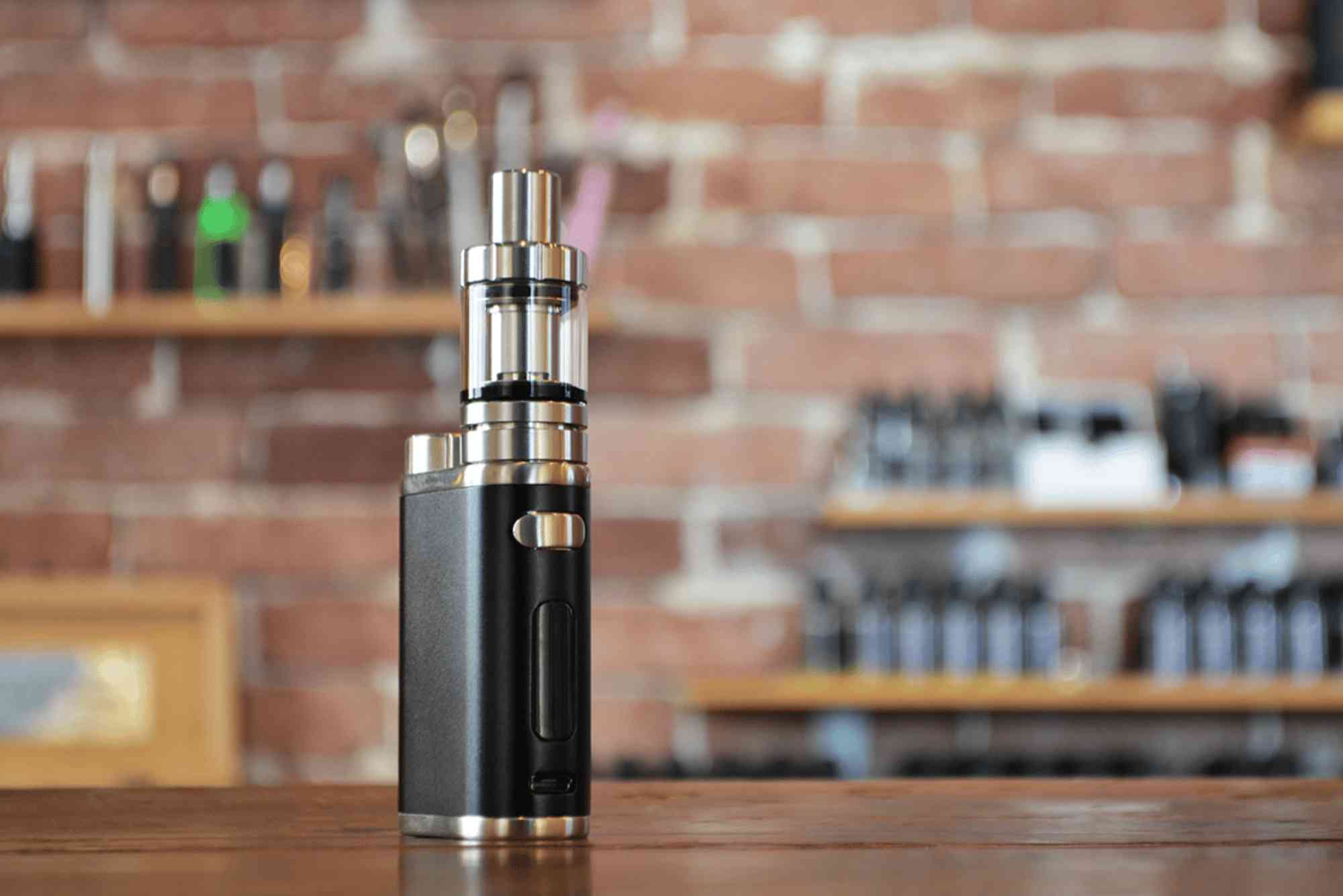
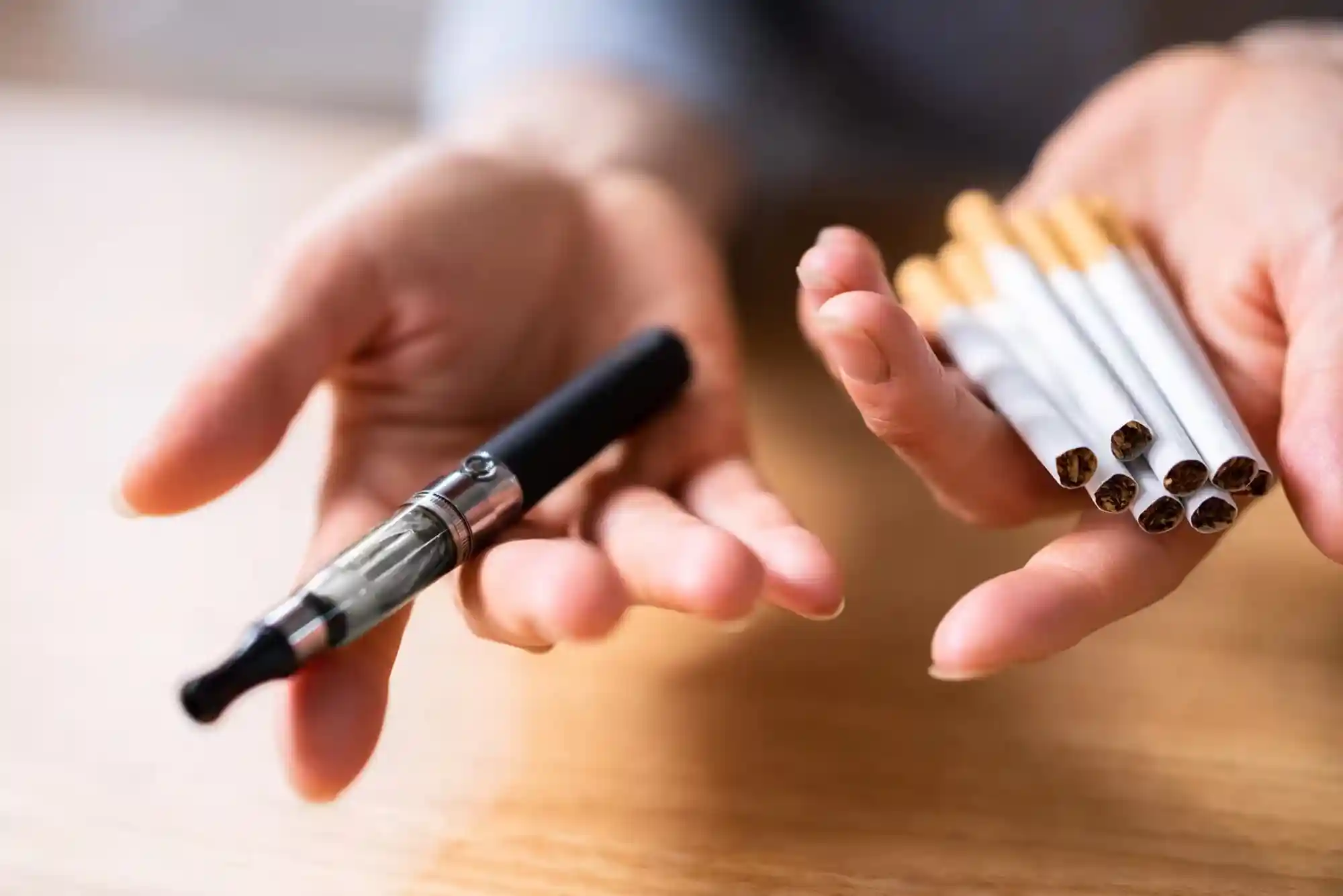
New Jersey’s evolving THC vape laws have sparked debates about public health and safety. While the state has implemented regulations to protect consumers, questions remain about whether these laws adequately address potential risks associated with vaping THC products. This article delves into the current landscape of NJ THC vape laws, examines associated health risks, and explores how these regulations may impact vapers.
Understanding NJ THC Vape Laws
New Jersey legalized adult-use cannabis in 2022, allowing adults 21 and over to possess and consume cannabis products, including THC vapes, under regulated conditions. However, the legal landscape is complex, with various laws and regulations governing the sale, distribution, and use of THC vape products.
Legalization and Regulation
The legalization of cannabis in New Jersey was a significant step toward regulating THC products. The New Jersey Cannabis Regulatory Commission (CRC) oversees the licensing and regulation of cannabis businesses, ensuring compliance with state laws and consumer safety standards. This regulatory framework aims to provide consumers with access to safe and tested products.
Restrictions on THC Vape Products
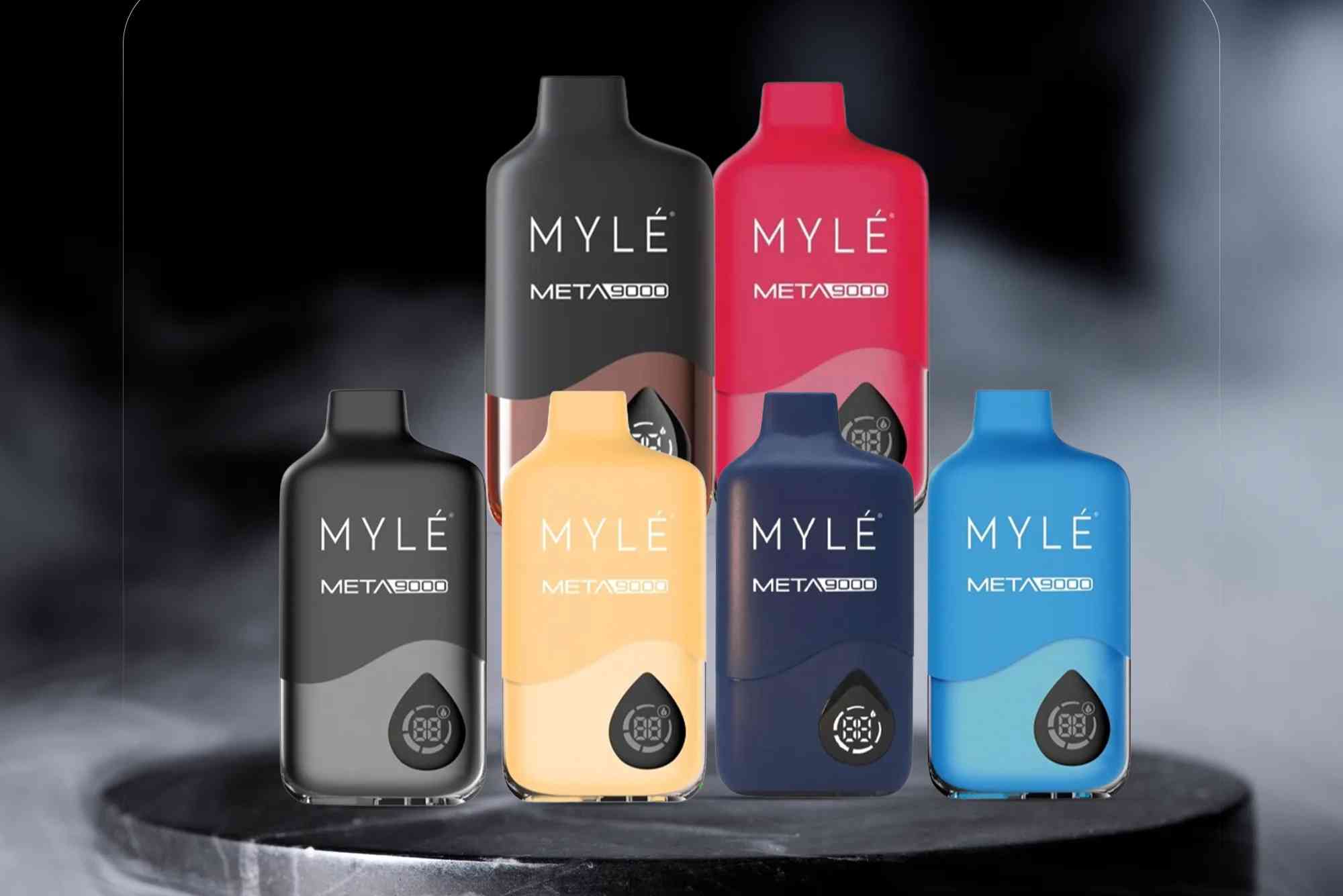
Despite legalization, certain restrictions apply to THC vape products. For instance, the sale of flavored vape products is prohibited to deter youth appeal. Additionally, there are limitations on public consumption, with vaping banned in many public spaces to protect non-users from exposure to secondhand vapor.
Enforcement and Compliance
The enforcement of THC vape laws is carried out by various state agencies, including the CRC and the Division of Consumer Affairs. These agencies monitor compliance through inspections, consumer complaints, and penalties for violations. Businesses found selling unlicensed or non-compliant products face fines and potential license revocation.
Health Risks Associated with THC Vaping
While legal and regulated THC vape products are generally considered safer than illicit alternatives, they are not without health risks. Understanding these risks is crucial for consumers to make informed decisions.

Vaping-Associated Pulmonary Injury (VAPI)
VAPI is a serious lung condition linked to vaping, particularly THC products. The Centers for Disease Control and Prevention (CDC) reported numerous cases of VAPI, many associated with vaping THC products containing additives like vitamin E acetate. Symptoms include cough, shortness of breath, and chest pain, which can be severe and require hospitalization.
Chemical Additives and Contaminants
Some THC vape products may contain harmful additives and contaminants. For example, residual solvents from the extraction process, pesticides, and heavy metals can be present in vape oils. These substances can pose health risks when inhaled, leading to respiratory issues and other health problems.
Long-Term Health Effects
The long-term health effects of vaping THC are not yet fully understood. However, concerns exist regarding potential impacts on lung function, cardiovascular health, and brain development, especially among adolescents and young adults. Ongoing research is needed to assess these risks comprehensively.
Impact of NJ THC Vape Laws on Vapers
The implementation of THC vape laws in New Jersey has had various effects on consumers, businesses, and public health.
Consumer Access and Product Availability
While the legalization of cannabis has increased access to THC products, restrictions on flavored vapes and public consumption have limited some consumer choices. These limitations may lead some individuals to seek alternative products or purchase from unregulated sources, potentially increasing health risks.
Business Compliance and Market Dynamics
Businesses operating in the cannabis industry must navigate complex regulations to remain compliant. The cost of compliance, including product testing and licensing fees, can be burdensome for smaller operators. Additionally, strict advertising and labeling requirements may impact how businesses market their products to consumers.
Public Health Outcomes
The primary goal of NJ THC vape laws is to protect public health. By regulating the sale and use of THC vape products, the state aims to reduce the incidence of vaping-related health issues. However, the effectiveness of these laws in achieving this goal depends on ongoing enforcement and consumer education efforts.
Safer Alternatives and Harm Reduction
For individuals concerned about the risks associated with THC vaping, several safer alternatives and harm reduction strategies are available.
Vaporizing Flower
Vaporizing cannabis flower is considered a safer alternative to vaping concentrates. This method involves heating the plant material to release cannabinoids without combustion, reducing exposure to harmful byproducts.
Edibles and Tinctures
Consuming cannabis through edibles or tinctures eliminates the risks associated with inhalation. These methods provide longer-lasting effects but require careful dosing to avoid overconsumption.
Consumer Education
Educating consumers about the risks of vaping and the importance of purchasing products from licensed dispensaries can help mitigate health risks. Awareness campaigns and resources provided by health authorities play a vital role in promoting safe consumption practices.
For more information on NJ THC vape laws and safe consumption practices, visit the New Jersey Cannabis Regulatory Commission’s official website. Stay informed and make responsible choices to protect your health and well-being.
New Jersey’s THC vape laws aim to balance consumer access with public health protection. While these regulations have made strides in ensuring product safety and reducing youth appeal, challenges remain in addressing health risks associated with vaping. Consumers are encouraged to stay informed, choose safer consumption methods, and support ongoing efforts to improve cannabis regulation and public health outcomes.