
Is Smoking Vape Putting Vapers at Risk?
The rise of vaping has created ongoing debate about its safety. Many smokers switch to e-cigarettes thinking they are safer than traditional cigarettes. But is smoking vape truly harmless, or does it put vapers at risk in ways they might not expect? Understanding the facts behind smoking vape, its health implications, and its long-term effects is essential before making informed decisions.
Understanding Smoking Vape
What is Smoking Vape?
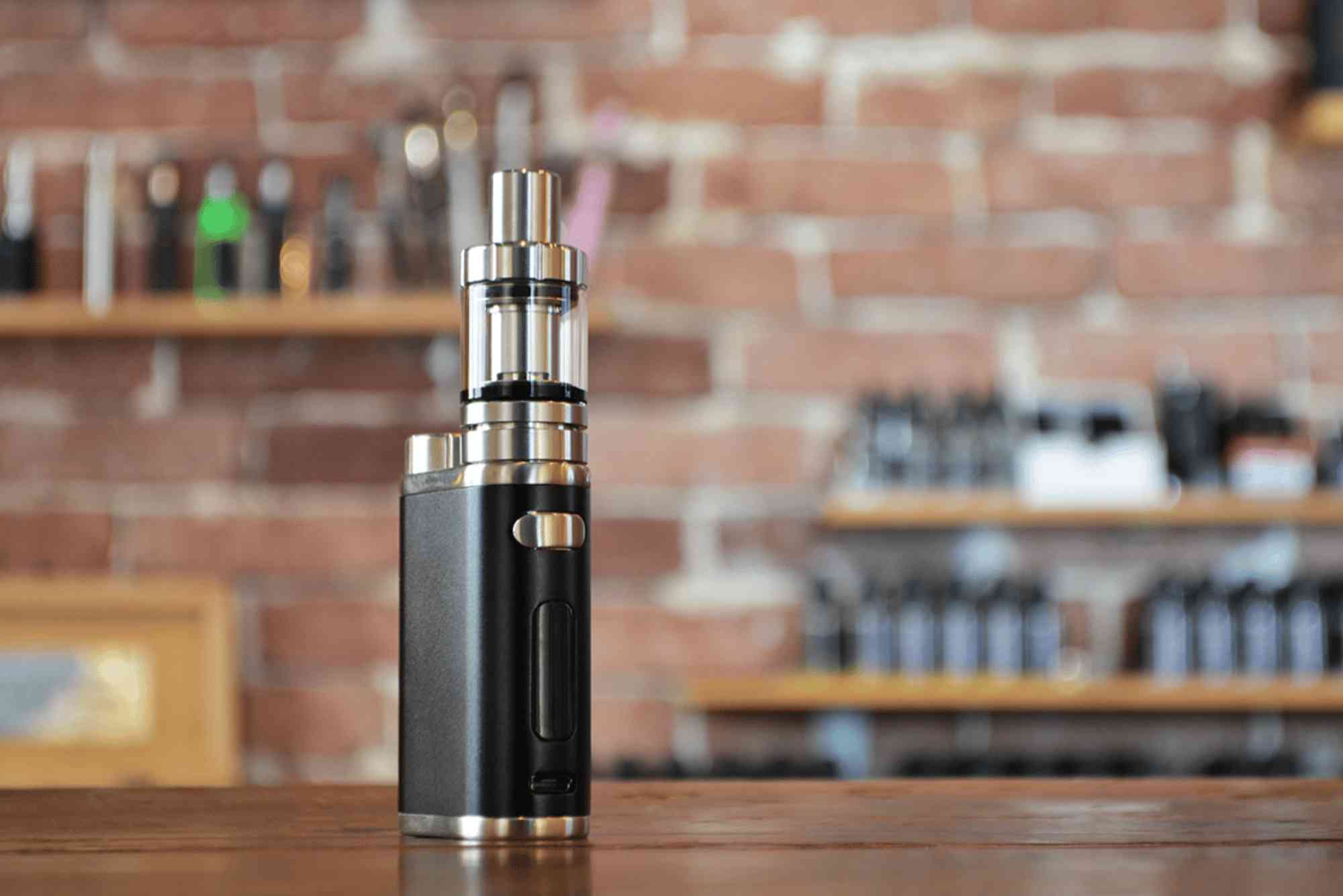
Smoking vape refers to inhaling aerosol from e-cigarettes or other vaping devices. Instead of burning tobacco, these devices heat a liquid (called e-liquid or vape juice) that usually contains nicotine, flavorings, and chemicals. The vapor produced is then inhaled by the user.
Unlike smoking cigarettes, vaping does not release tar or many of the toxic substances found in tobacco. However, it still exposes users to harmful chemicals, some of which can affect the lungs, heart, and brain.
Why People Choose Vaping Over Smoking
Many smokers turn to vaping because it seems like a cleaner alternative. Some of the most common reasons include:
- Belief that it is less harmful than smoking.
- Desire to quit traditional cigarettes gradually.
- Attraction to flavored vape juices.
- Perception that smoking vape is socially acceptable.
While vaping may reduce exposure to certain toxins, it is not completely risk-free.
Health Risks of Smoking Vape
Effects on the Lungs
The lungs are directly exposed to vapor chemicals, which may cause irritation and damage over time. Research has linked vaping to conditions like “popcorn lung” (bronchiolitis obliterans) caused by diacetyl, a flavoring chemical found in some vape liquids. Studies also suggest vaping may reduce lung function and trigger asthma symptoms.

Nicotine Addiction
Most e-liquids contain nicotine, a highly addictive substance. Smoking vape can lead to dependence, making it hard for users to quit. Nicotine also affects brain development in teens and young adults, leading to long-term cognitive issues.
Heart Health Concerns
Nicotine increases heart rate and blood pressure. Chemicals in vape aerosols may also contribute to artery stiffness, raising risks of heart disease and stroke.
Chemicals in Vape Juice
While vaping eliminates tobacco smoke, it still exposes users to:
- Formaldehyde
- Acetaldehyde
- Heavy metals like lead and nickel
- Flavoring agents that can irritate lungs
These substances, when inhaled regularly, pose potential long-term health risks.
Is Smoking Vape Safer Than Cigarettes?
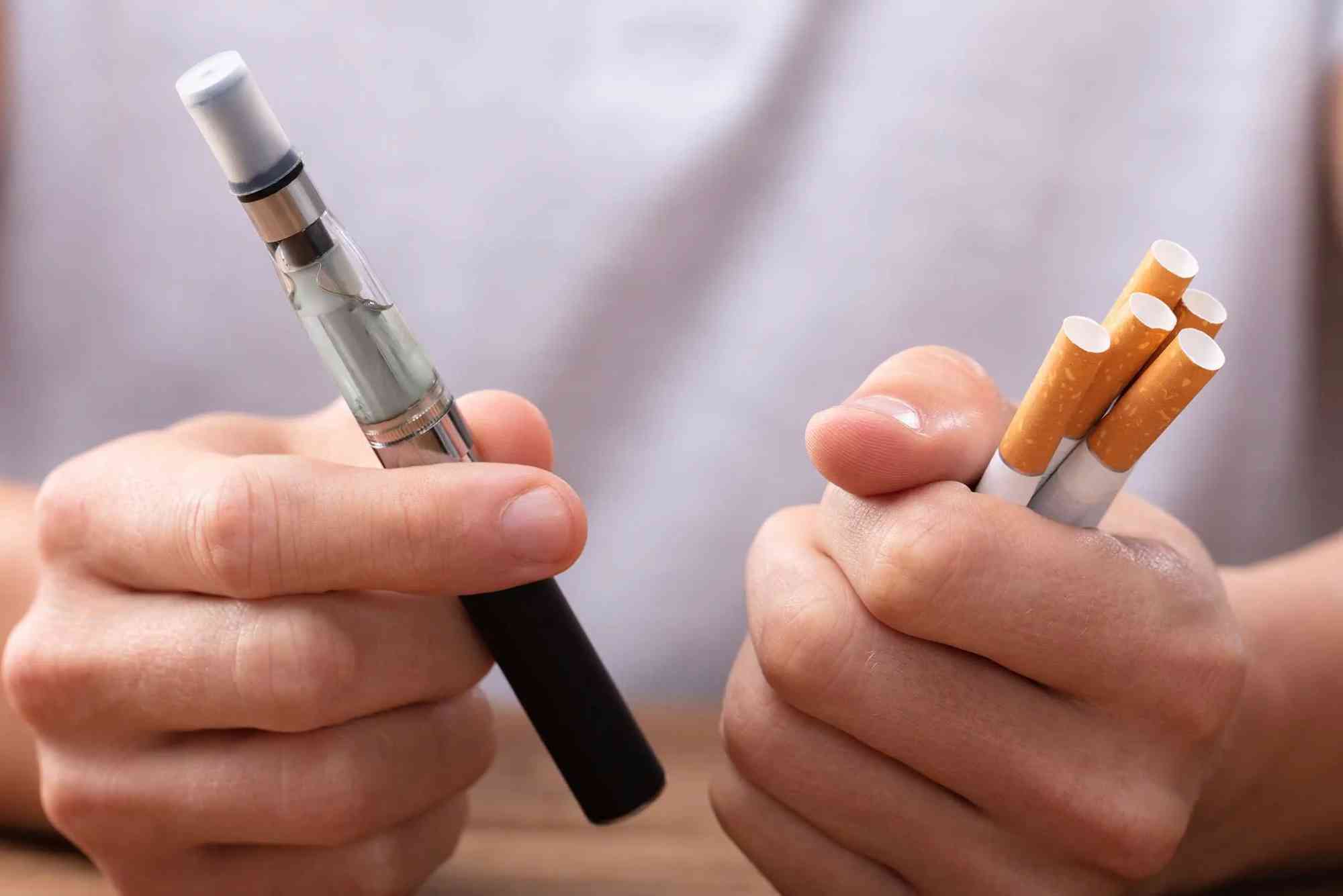
Comparing Vape vs. Cigarette Smoke
Traditional cigarettes produce thousands of harmful chemicals through combustion, including tar and carbon monoxide. Vaping reduces exposure to many of these toxins, which is why health agencies such as Public Health England once suggested vaping is “95% less harmful than smoking.”
However, this does not mean vaping is completely safe. Long-term effects are still being studied, and certain vaping practices—such as using high-nicotine products or black-market vape juices—carry significant dangers.
The Misconception of “Harmless Vaping”
A major issue is the public perception that smoking vape is harmless. Many young users adopt vaping without ever smoking cigarettes, unaware of its addictive and harmful potential.
The Impact of Smoking Vape on Youth
Why Teens Are More Vulnerable
Teenagers and young adults are more likely to be drawn to vaping due to flavored vape juices and sleek device designs. Unfortunately, nicotine exposure during adolescence can disrupt brain development, leading to memory and attention problems.
Gateway to Smoking
Several studies suggest that teens who start vaping may eventually transition to traditional cigarette smoking. This undermines the original purpose of vaping as a smoking cessation tool.
Secondhand Vape Exposure
Just like secondhand smoke, secondhand vapor may also carry health risks. Research shows that bystanders can inhale nicotine, flavoring chemicals, and ultrafine particles from someone else’s vape. While the risk may be lower than with cigarettes, it is not zero.
Regulations and Safety Standards
How Governments Are Responding
Different countries regulate vaping differently. For instance:
- The U.S. FDA requires vape products to meet specific safety standards.
- The UK promotes vaping as a smoking cessation tool but still regulates advertising.
- Some countries, like India and Singapore, have banned e-cigarettes entirely.
Importance of Safe Vaping Practices
For those who choose to vape, following safety guidelines is critical:
- Buy products from reputable brands.
- Avoid black-market vape juices.
- Do not modify devices or use DIY vape liquids.
- Keep devices away from children and pets.
FAQs About Smoking Vape
Is smoking vape worse than cigarettes?
Cigarettes are more harmful overall due to tar and combustion toxins. However, smoking vape still carries risks, especially with long-term use.
Can smoking vape cause cancer?
Research is ongoing, but some chemicals in vape aerosols are known carcinogens. While the risk may be lower than cigarettes, it cannot be ignored.
Does vaping help you quit smoking?
For some smokers, vaping can be a step toward quitting cigarettes. However, many users end up dependent on nicotine through vaping instead.
Is secondhand vape harmful?
Yes, secondhand vape exposes others to nicotine and chemicals. While less toxic than cigarette smoke, it is not completely safe.
Can vaping damage your lungs permanently?
Yes, in some cases. Conditions like popcorn lung and other lung damage have been linked to chemicals in e-liquids.
The Future of Smoking Vape
Ongoing Research
Since vaping is relatively new, researchers are still studying its long-term effects. The next decade will reveal more about whether smoking vape leads to chronic diseases similar to those caused by cigarettes.
Public Health Campaigns
Health organizations now focus on preventing teen vaping, raising awareness about nicotine addiction, and ensuring adults understand the risks.
Should You Be Worried About Smoking Vape?
Smoking vape may reduce exposure to certain toxins compared to cigarettes, but it is not risk-free. Vaping still exposes users to addictive nicotine and harmful chemicals that can affect the lungs, heart, and brain. For non-smokers, starting vaping can create unnecessary health risks. For smokers trying to quit, vaping may help, but it should be part of a well-structured cessation plan.
If you are considering vaping or currently smoke vape, stay informed about the risks and explore healthier alternatives. Your health is worth more than a quick puff of flavored vapor.
If you or someone you know is struggling with smoking vape or cigarette addiction, consider seeking support through smoking cessation programs or consulting a healthcare professional. Making the switch to a healthier lifestyle starts with one informed choice.