

Is Health Effects of E Cigarettes Putting Vapers at Risk?
The health effects of e cigarettes have been debated since their introduction. Marketed as a safer alternative to smoking, e cigarettes gained popularity among smokers and young adults. But are they truly harmless, or are they putting vapers at risk? This article explores the science, research, and real-world experiences behind vaping and its health consequences.
What Are E Cigarettes and How Do They Work?
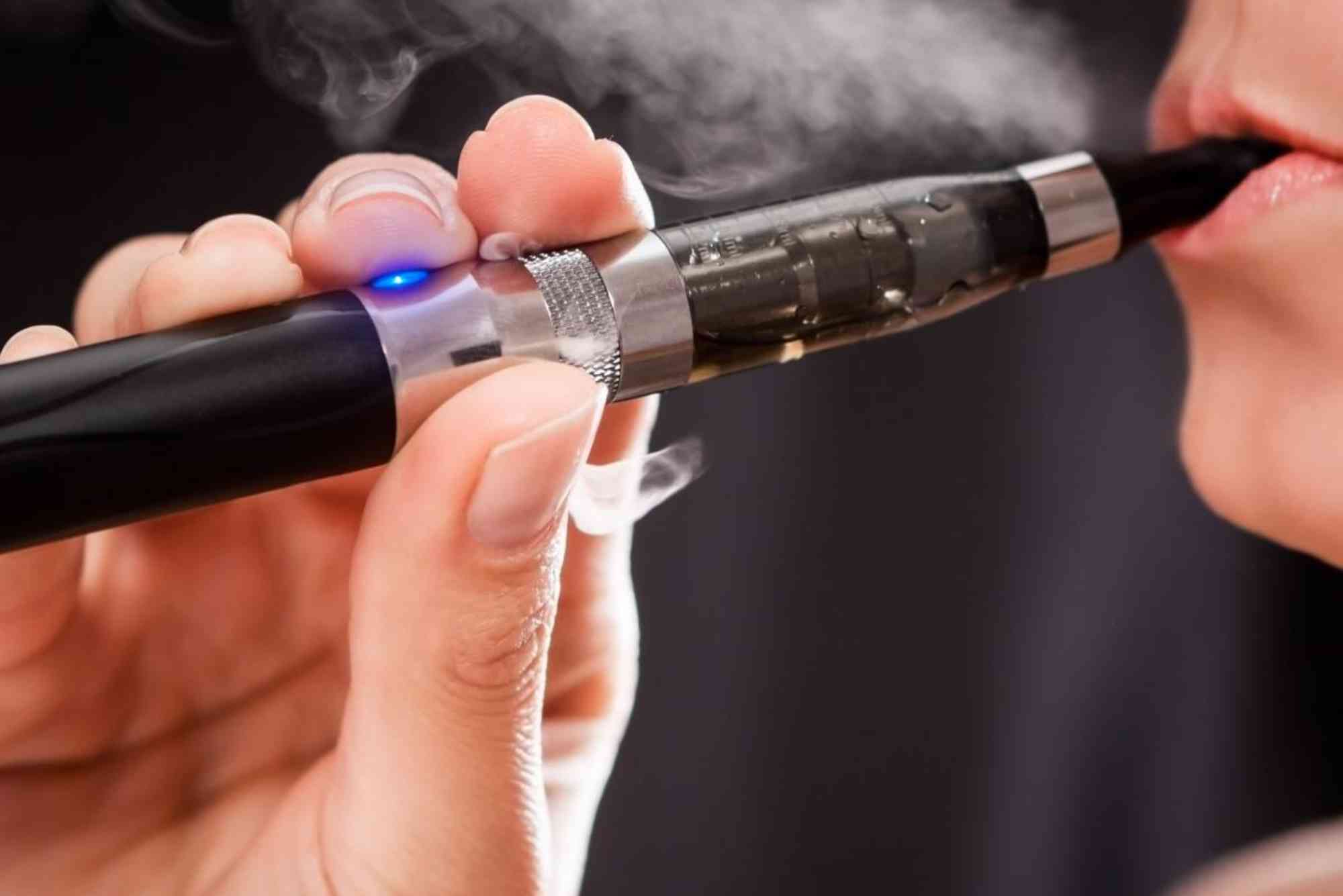
E cigarettes are battery-operated devices that heat a liquid—usually containing nicotine, flavorings, and chemicals—into an aerosol for inhalation. Unlike traditional cigarettes, they do not burn tobacco. Instead, they deliver nicotine through vapor, which is why vaping is often considered less harmful than smoking.
Key Components of E Cigarettes
- Battery: Powers the heating element.
- Atomizer/coil: Heats the liquid.
- E-liquid: Contains nicotine, flavorings, and solvents like propylene glycol and glycerin.
- Mouthpiece: Allows users to inhale vapor.
While these devices remove tar and many combustion-related toxins, the health effects of e cigarettes are still significant.
Short-Term Health Effects of E Cigarettes
Respiratory Irritation
Vaping can cause coughing, wheezing, and throat irritation. Some users report shortness of breath due to the inhalation of fine particles.
Nicotine Dependence
Most e liquids contain nicotine, which is highly addictive. Even low-nicotine products can trigger cravings and withdrawal symptoms.
Cardiovascular Impact
Studies suggest e cigarettes may temporarily raise blood pressure and heart rate, increasing the risk of heart-related issues.

Poisoning Risks
Accidental ingestion of e liquids—especially by children—can lead to nicotine poisoning, which may be life-threatening.
Long-Term Health Effects of E Cigarettes
Research on the long-term health effects of e cigarettes is still emerging, but early evidence raises concerns.
Lung Health and EVALI
In 2019, an outbreak of EVALI (E-cigarette or Vaping Product Use-Associated Lung Injury) highlighted severe risks. Thousands of cases and several deaths were linked to vaping, particularly with THC-containing products.
Cancer Concerns
Although e cigarettes have fewer carcinogens than tobacco, some chemicals in vapor—like formaldehyde and acrolein—are linked to cancer risk.
Cardiovascular Disease
Nicotine and other chemicals in vapor may damage blood vessels, raising concerns about long-term cardiovascular health.
Oral Health Problems
Dentists warn about gum inflammation, dry mouth, and a higher risk of oral infections among regular vapers.
Are E Cigarettes Safer Than Traditional Smoking?
E cigarettes are often promoted as safer than smoking—and they are, to some extent. Traditional cigarettes release over 7,000 chemicals, many of which are toxic and carcinogenic. In comparison, e cigarettes produce fewer harmful compounds.
However, “safer” does not mean “safe.” According to the Centers for Disease Control and Prevention (CDC), e cigarettes may benefit adult smokers who completely switch from smoking. But for non-smokers, especially teenagers, the health effects of e cigarettes pose new risks.
The Rising Popularity Among Teens and Young Adults
One of the biggest concerns is how quickly vaping has spread among younger generations. Sleek designs, fruity flavors, and aggressive marketing made e cigarettes appealing to teens.
- A 2022 survey reported that over 2.5 million U.S. middle and high school students used e cigarettes.
- Nicotine exposure at a young age may affect brain development, attention, and learning.
This trend has led to stricter regulations and flavor bans in many countries.
Common Misconceptions About E Cigarettes
“Vaping Is Just Water Vapor”
In reality, e cigarette vapor contains chemicals, metals, and nicotine—not harmless water vapor.
“Nicotine Is Safe Without Tobacco”
Nicotine is addictive and can increase heart disease risk even without tobacco combustion.
“E Cigarettes Help Everyone Quit”
Some smokers switch successfully, but others end up using both cigarettes and e cigarettes, maintaining their addiction.
Expert Opinions and Scientific Studies
According to Public Health England, vaping is around 95% less harmful than smoking. However, organizations like the American Lung Association argue that the long-term risks remain unclear, and calling vaping “safe” is misleading.
Research Findings
- A study in JAMA Network Open found higher odds of chronic lung disease in e cigarette users.
- Another study from Harvard detected harmful bacteria in e liquids, raising infection concerns.
Regulation and Global Perspective
Different countries approach e cigarettes differently.
- United States: Strict regulations by the FDA, including flavor bans.
- UK: Encourages smokers to switch, with government-backed vaping programs.
- Australia: Requires a prescription for nicotine e liquids.
- UAE and others: Have banned or restricted sales.
This shows that while some see vaping as harm reduction, others treat it as a health threat.
FAQs About Health Effects of E Cigarettes
Do e cigarettes cause cancer?
E cigarettes contain fewer carcinogens than tobacco, but some chemicals in vapor may increase cancer risk over time.
Can e cigarettes help quit smoking?
Some smokers use them as a quitting aid, but success depends on complete switching. Dual use often maintains nicotine dependence.
Are e cigarettes safe for teens?
No. Nicotine can harm brain development and increase the risk of lifelong addiction.
What are the risks of secondhand vapor?
Secondhand vapor contains nicotine and toxins, though at lower levels than cigarette smoke. It is still not completely safe.
Is vaping better than nicotine patches or gum?
Nicotine replacement therapies (NRTs) like patches or gum are FDA-approved and considered safer than vaping.
Are the Health Effects of E Cigarettes Worth the Risk?
The health effects of e cigarettes show a mixed picture. For long-term smokers, switching may reduce exposure to harmful chemicals. However, for non-smokers and young people, vaping introduces new health risks—addiction, lung damage, and unknown long-term effects.
As research continues, the safest option remains avoiding both smoking and vaping. If you are a smoker trying to quit, consult a healthcare professional about proven alternatives like NRTs or counseling.
If you’re concerned about the health effects of e cigarettes, take action today. Learn more about safe quitting methods, talk to a doctor, and make informed choices for your long-term health