
Is New York Vape Law Putting Vapers at Risk?
The new york vape law has sparked intense debate among vapers, health experts, and policymakers. While its goal is to protect public health, many argue it may be putting vapers at risk. From flavored vape bans to strict sales regulations, the law has reshaped how vaping products are sold, accessed, and used in the state. But does it actually help, or is it causing unintended harm?
Understanding the New York Vape Law
To understand the risks, it’s important to first know what the new york vape law entails. In recent years, New York introduced several restrictions on vaping products.
Key Provisions of the Law
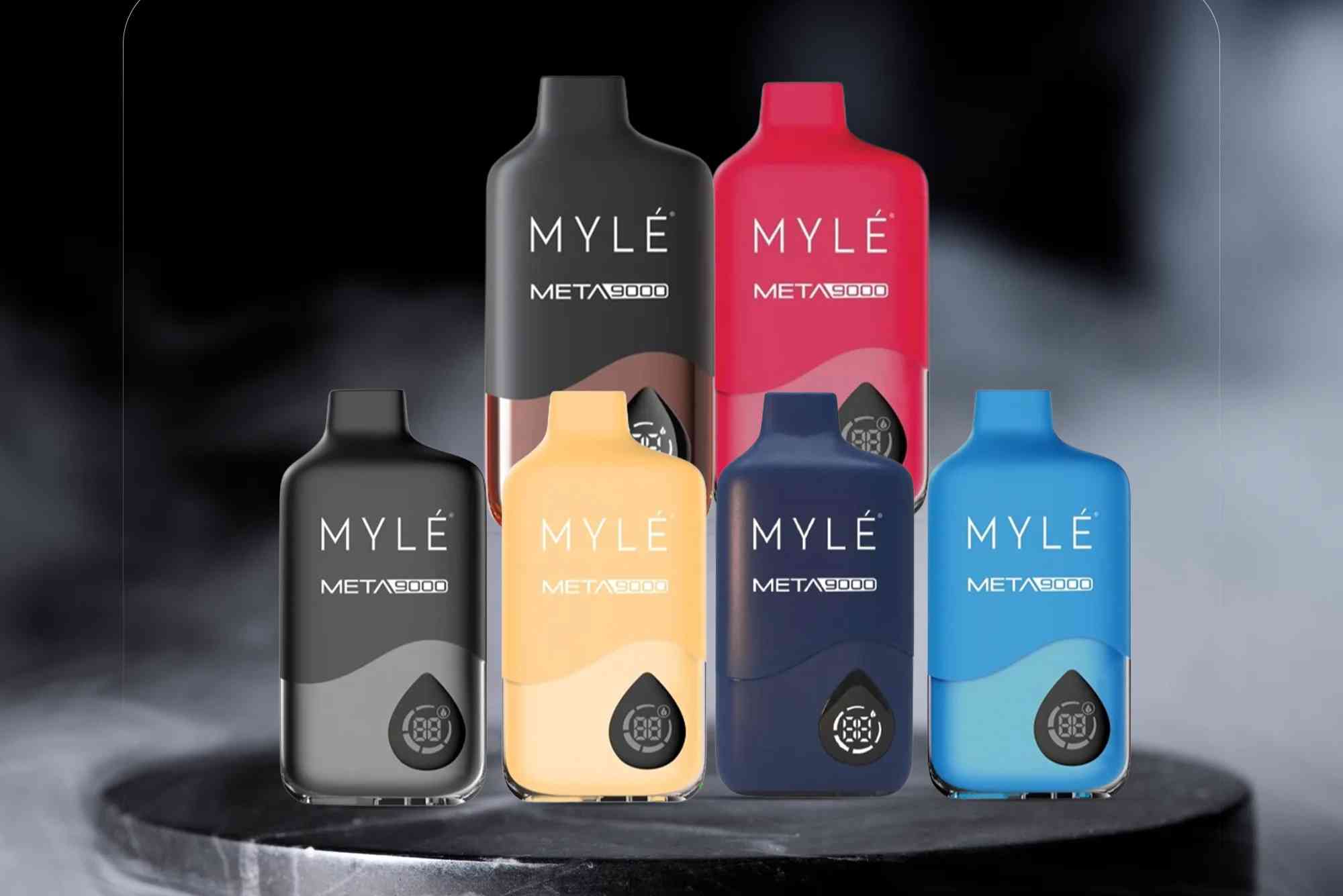
- Flavored e-cigarette products, except tobacco flavor, are banned.
- Online sales of e-cigarettes are heavily restricted.
- Retailers must follow strict licensing and age-verification rules.
- High taxes are applied to vaping products.
These measures were introduced to discourage youth vaping and reduce nicotine addiction. However, critics argue they may be driving vapers toward unsafe alternatives.
Why Was the New York Vape Law Introduced?
The state government justified the new york vape law by pointing to rising health concerns. Officials cited studies showing an increase in teenage vaping and the potential for long-term addiction.
Protecting Youth From Nicotine
The flavored vape ban specifically targets youth, as sweet and fruity flavors were seen as marketing tools that appealed to minors.
Public Health Concerns
Authorities also feared vaping could lead to smoking traditional cigarettes, undoing years of anti-smoking progress.

While these reasons sound valid, the real-world impact tells a more complicated story.
Are Vapers at Risk Because of the Law?
The central question is whether the new york vape law is protecting or harming adult vapers.
Limited Access to Safer Alternatives
For many smokers, vaping was a less harmful option compared to cigarettes. By restricting flavors and raising prices, some adults may return to smoking, which carries far greater risks.
Growth of the Black Market
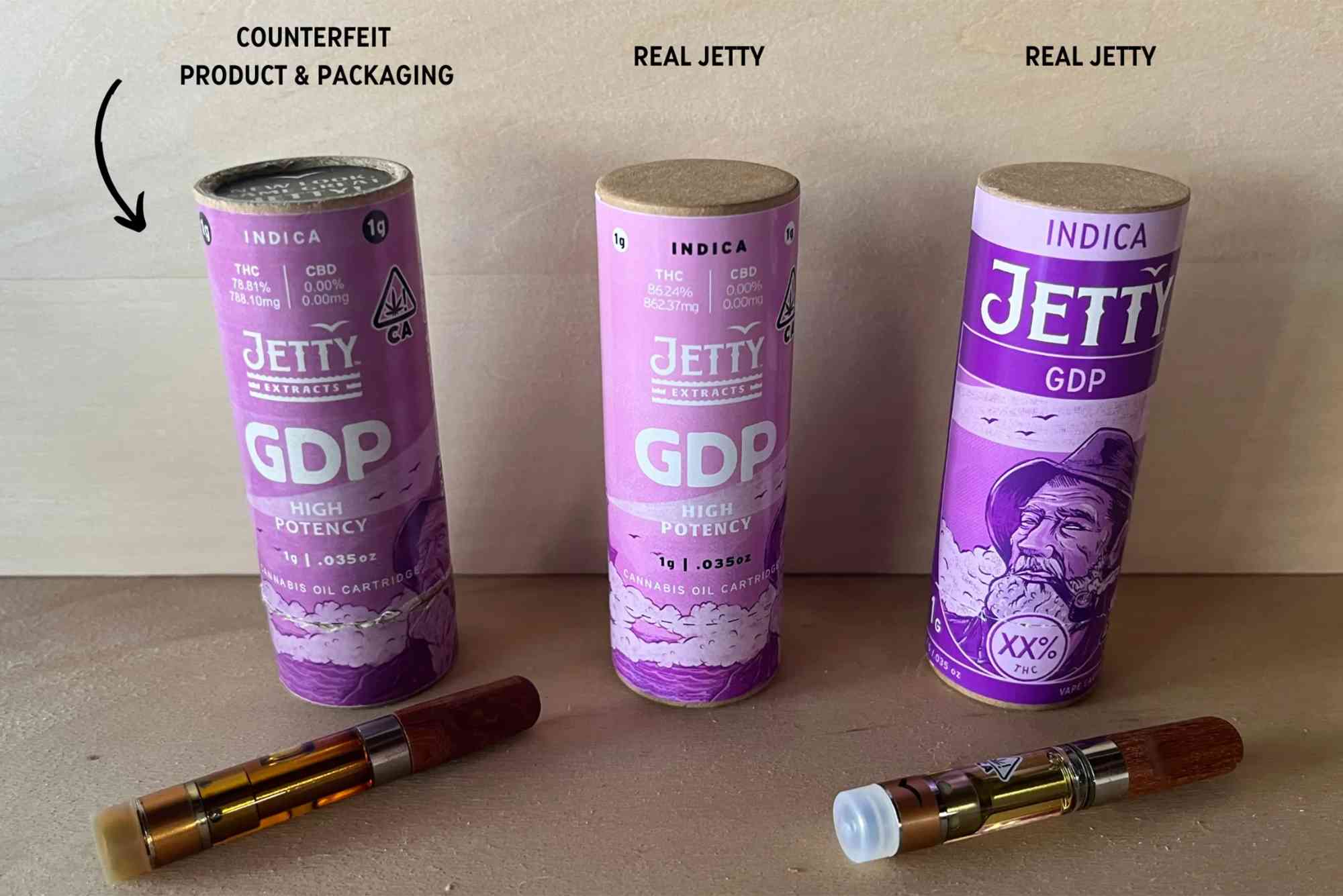
When legal options shrink, illegal markets expand. Unregulated vape products are now more common, and these may contain harmful chemicals. The 2019 vaping-related lung illness outbreak showed how dangerous black-market products can be.
Economic Burden on Vapers
The high tax rates in New York make vaping more expensive. This financial barrier discourages smokers from switching to vaping and keeps them stuck with traditional tobacco.
Impact on Public Health
The new york vape law may not be achieving its intended health outcomes.
Smoking Rates Could Rise Again
Studies show many vapers use flavored products to stay away from cigarettes. By removing those flavors, the law risks pushing people back to smoking.
Risk of Unsafe Products
With black-market sales growing, users face greater risks of using contaminated or mislabeled products. These risks undermine the original goal of protecting health.
Psychological Impact on Vapers
For many people, vaping is not just a habit but also a smoking-cessation tool. Taking away accessible and enjoyable options can create frustration, stress, and relapse into smoking.
Legal and Social Effects of the New York Vape Law
Beyond health, the law has reshaped the vaping industry in New York.
Struggles for Small Businesses
Local vape shops face declining sales due to flavor bans and online restrictions. Many have closed, leaving vapers with fewer safe purchasing options.
Confusion Among Consumers
Because rules change frequently, vapers are often confused about what is legal and what is not. This uncertainty leads some to seek products outside the legal market.
Enforcement Challenges
Authorities struggle to control illegal sales, especially online and across state borders. Enforcement gaps make the law less effective than intended.
Expert Opinions on the New York Vape Law
Health experts remain divided. Some applaud the law for its protective stance toward young people. Others criticize it for ignoring adult smokers’ needs.
Public health researchers suggest a more balanced approach: keep strict age verification, but allow regulated flavored products for adults. Such measures could reduce harm without creating a black market.
FAQs
What is the New York vape law?
The new york vape law bans flavored vape products (except tobacco), restricts online sales, enforces strict age checks, and imposes high taxes.
Can I buy flavored vapes in New York?
No, flavored vapes other than tobacco flavor are banned under the current law.
Why did New York ban flavored vapes?
The ban was introduced to prevent youth from getting addicted to vaping, as flavors were seen as appealing to minors.
Is vaping legal in New York?
Yes, vaping is legal, but only within the limits set by the new york vape law, such as restrictions on flavors and online sales.
Does the New York vape law affect smokers?
Yes. Many smokers who wanted to switch to flavored vapes now struggle to find legal, safer alternatives, potentially increasing smoking risks.
The new york vape law was designed to protect young people and reduce nicotine use. While its intentions are good, it may be creating new risks for adult vapers. By banning flavors, raising prices, and restricting access, the law could push people back to smoking or into black-market purchases.
The real solution may lie in balanced regulation—strict protections for minors but safe, accessible options for adults. Until then, the risks for vapers in New York remain real.