
Introduction
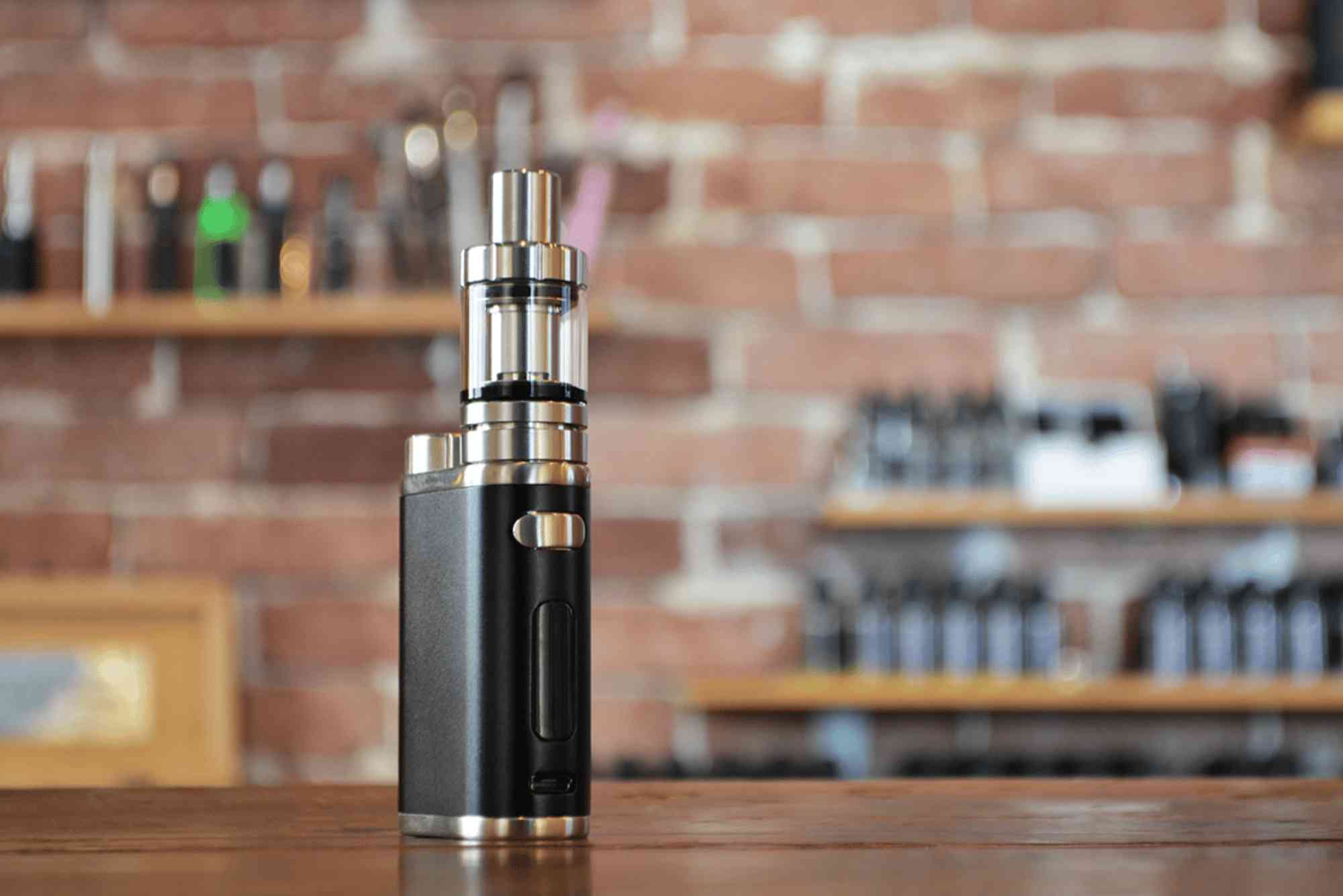
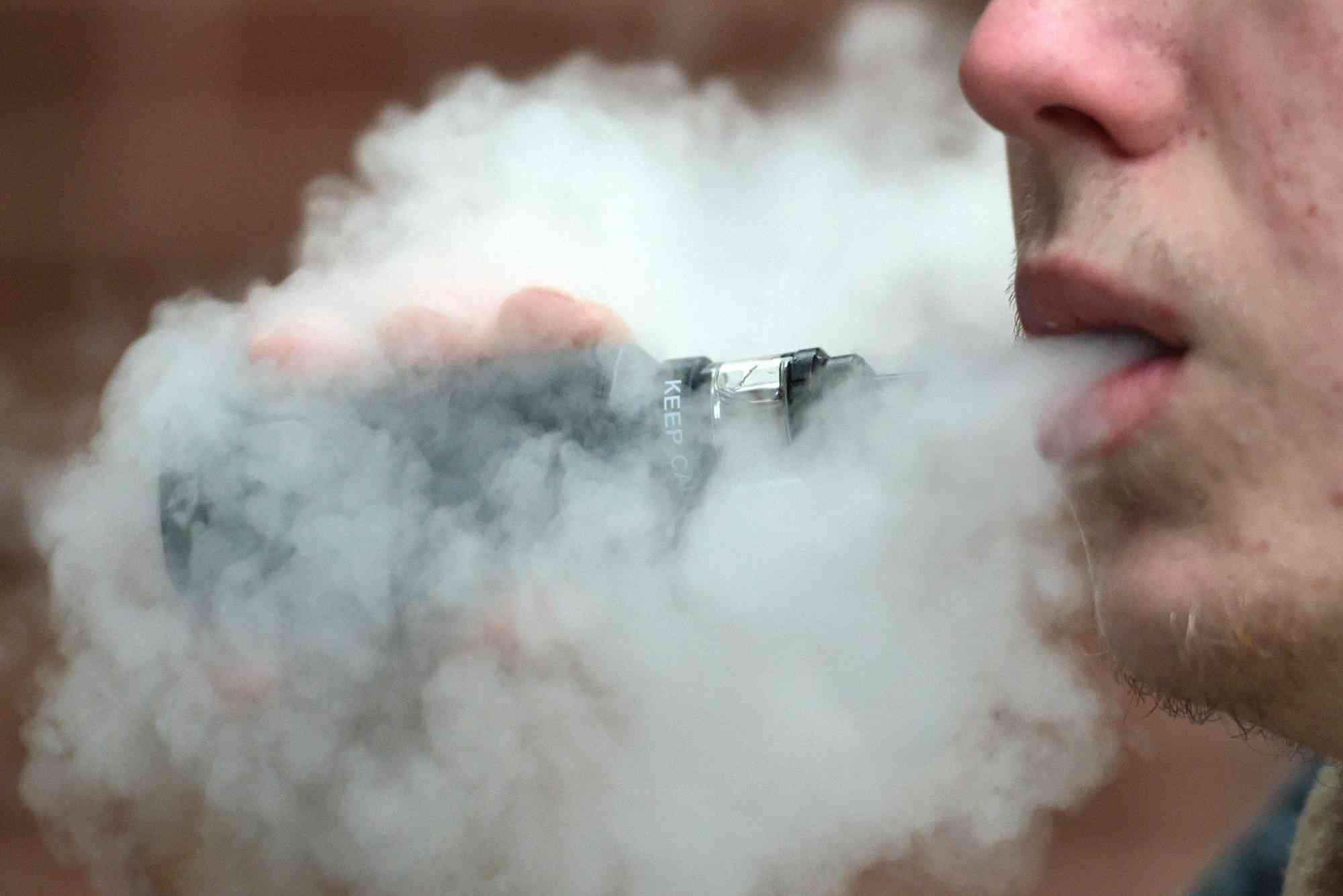
The question “is vaping illegal in Minnesota at school” is asked by many students, parents, and educators. The short answer is yes—vaping is prohibited on all school grounds under Minnesota state law. While this rule is mainly about reducing nicotine addiction among teenagers, it has another important layer: vape battery safety.
E-cigarette devices run on lithium-ion batteries, which can be dangerous if misused. When vaping is brought into schools, the risks aren’t limited to addiction or secondhand exposure; they also include hazards like battery overheating, fires, or explosions. Understanding how these legal restrictions connect to safety issues helps explain why schools take vaping so seriously.
Is Vaping Illegal in Minnesota at School?
Minnesota law makes it clear: vaping is not allowed in K–12 schools, on school buses, or at school-sponsored events. The goal is to protect students from the well-documented risks of nicotine use and the harmful chemicals found in e-cigarettes.
The ban also reflects the growing concern around youth vaping rates. Research shows many teens see vaping as harmless compared to smoking, yet the devices are addictive and sometimes poorly manufactured. This sets the stage for safety problems that extend beyond health concerns into physical hazards.
Why Battery Safety Matters in the Vaping Conversation
Most conversations about vaping focus on nicotine, lung damage, or addiction. But vape devices have another overlooked risk: their batteries. The lithium-ion cells inside these devices are the same type used in laptops and smartphones. However, unlike regulated electronics, many vaping products are cheaply made or modified by users without proper knowledge.
When students bring these devices into schools, they also bring potential hazards like overheating or even battery explosions. Prohibiting vaping on campus therefore doesn’t just protect student health—it also reduces the risk of accidents related to battery misuse.

How Vaping at School Increases Battery Safety Risks
Lack of Proper Storage
Students who attempt to hide their vapes often keep them in backpacks, lockers, or even pockets. This poor storage environment can increase the risk of battery overheating, especially if the device is jostled or comes into contact with metal objects like keys or coins.
Unauthorized Charging
Many vaping incidents at school involve students trying to charge devices in classrooms or hallways. Vape batteries are not designed for all USB ports, and charging in unsafe conditions may cause overheating or short-circuits.
Low-Quality Devices
Teens often buy disposable vapes or low-cost devices without quality control. These products may use unstable batteries that are more likely to malfunction, especially when used improperly at school.
Peer Pressure and Misuse
In school environments, students may share devices or attempt unsafe modifications. For example, removing safety features or using incompatible chargers can increase the chance of dangerous battery failures.
What Happens When Vape Batteries Fail
The consequences of a failing vape battery can be severe. Overheating can cause thermal runaway, a chain reaction that leads to fire or explosion. In confined areas like classrooms, this could result in burns, property damage, or even panic during an emergency.
Even without dramatic explosions, smaller incidents like leaks or overheating still pose serious risks. The chemicals inside lithium-ion batteries are corrosive and harmful if they come into contact with skin or eyes. This is one reason schools in Minnesota enforce vaping bans so strictly.
The Connection Between Vaping Bans and Safety Education
When Minnesota schools enforce vaping bans, they’re not just following state law—they’re also setting the stage for safety education. Teachers and administrators can use these rules to start conversations with students about why vaping is dangerous in multiple ways.
By framing vaping as both a health risk and a safety hazard, schools can encourage students to think critically about their choices. Students learn that vaping isn’t just about nicotine—it’s about responsibility, safety, and community well-being
The Role of Parents and Guardians
Parents play a major role in reinforcing these rules outside of school. Many teens experiment with vaping at home, where supervision may be limited. Discussing the dangers of vape battery safety alongside addiction risks gives families more tools to discourage vaping.
For example, explaining how a poorly made vape can explode in a pocket or backpack can have a stronger impact than abstract warnings about long-term lung damage. Teens often respond more to immediate risks, which makes battery safety a powerful angle for prevention.
How Schools Can Strengthen Safety Around Vaping
Minnesota schools already prohibit vaping, but enforcement alone isn’t always enough. Safety can be strengthened through education, awareness campaigns, and clear communication about the risks of vape batteries.
Teachers and administrators can highlight real-world incidents where vape batteries caused harm. By doing so, they show students that these risks are not theoretical. This helps connect the law against vaping in school with practical reasons students can understand.
Broader Public Health Implications
The ban on vaping in Minnesota schools is part of a larger public health strategy. It protects young people from addiction while also reducing risks of fires, burns, and other battery-related injuries.
This approach sends a message that vaping isn’t just an individual choice—it affects the safety of everyone in the school community. By making campuses vape-free, Minnesota schools are minimizing risks that could otherwise endanger many students at once.
FAQs
Is vaping illegal in Minnesota at school?
Yes, vaping is prohibited in all K–12 schools in Minnesota, including buses and school-sponsored activities.
Why is vaping banned in schools?
The ban protects students from nicotine addiction, exposure to harmful chemicals, and the risks of battery-related accidents.
Can vape batteries really explode?
Yes, vape batteries can overheat or explode if stored improperly, charged unsafely, or made with poor-quality materials.
What should parents know about vape safety?
Parents should understand that vape devices carry both health and safety risks, and discuss these openly with their children.
How do schools enforce vaping bans?
Schools use disciplinary measures, awareness campaigns, and collaboration with parents to discourage vaping on campus.
The question “is vaping illegal in Minnesota at school” has a simple answer: yes, it is. But the reasons go deeper than health alone. Vape devices carry hidden dangers through their lithium-ion batteries, which can malfunction, overheat, or even explode.
By banning vaping on school grounds, Minnesota is not only addressing addiction but also protecting students from immediate safety hazards. Parents, educators, and students themselves all play a role in reinforcing these protections.