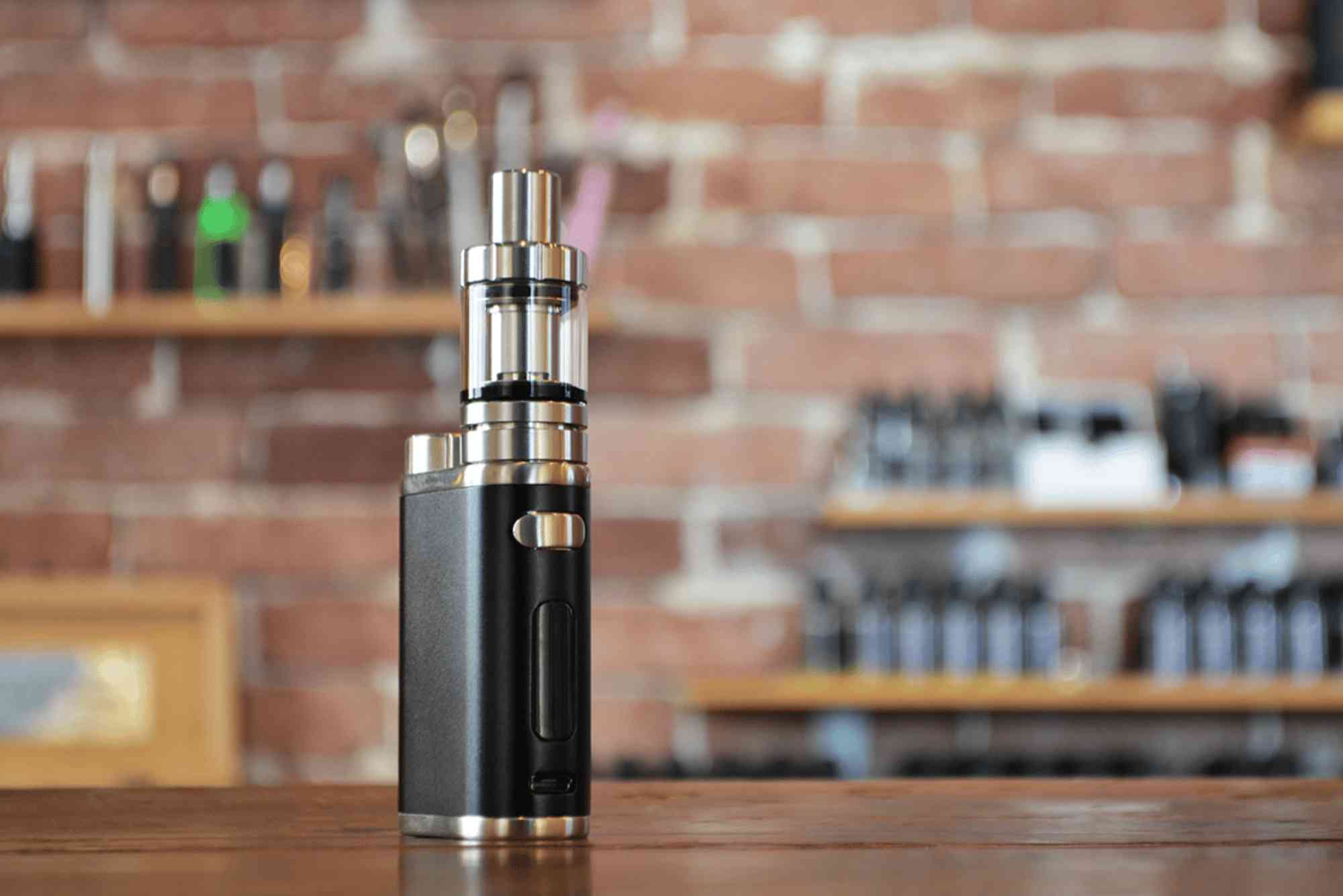

Introduction
When a law cracks down and vaping now illegal, how does that spill into your everyday usage—especially when it comes to battery safety? You might not think batteries are the main concern, but changes in legality ripple out. New restrictions can force users into makeshift solutions, unregulated devices, or ignorance of safety standards. This article digs deep, offering expert explanation—clear, human, and useful—on how “vaping now illegal” can affect vape battery safety, what you need to know, and how to stay safe in a challenging environment.
Why Legal Changes Matter to Battery Safety
The Ripple Effect of Prohibition
When vaping becomes banned or restricted, legitimate supply chains break. Users may resort to black-market products or jury-rigged modifications. This can compromise battery quality, leading to overheating, short-circuits, and even explosions.
Unregulated Products Enter the Market
In places where vaping now illegal, official vendors vanish. That vacuum gives rise to counterfeit or poorly manufactured devices. These often lack proper overcharge protection, breathing vents, or fail-safe features. The result? A much higher risk of battery failure.
Lack of User Education
With regulation, users get packaging warnings, charging instructions, and manufacturer guidance. Without legal sales, these educational touchpoints vanish. Users may:
- Use inappropriate chargers.
- Store batteries together in pockets (risking short-circuits).
- Mix mismatched batteries.
All these elevate danger.
Main Content: Battery Safety Risks Amid Illegality
Overcharging and Faulty Charging Devices
Without access to certified chargers, people might plug batteries into random USB ports or old phone chargers. Cheap knock-offs without auto cutoff can overcharge cells, leading to thermal runaway. Overheating is more likely when “vaping now illegal” means no official charging guidance.

Moreover, damaged or counterfeit chargers often lack basic safeguards. This further compounds the risk that batteries swell, vent hot gas, or burst into flames.
Counterfeit Batteries—A Hidden Danger
Counterfeit batteries often come with misleading capacity or multipeak rating labels. In environments where vaping now illegal, users cannot easily verify authenticity. Substandard manufacturing, thin can walls, and recycled cells are all red flags. Real cells follow strict standards; counterfeit ones do not. The consequences:
- Battery case rupture.
- Leakage of hazardous internal chemicals.
- Intense heat and possible fire.
These risks are amplified when regulated options vanish overnight.
DIY Modifications and Unsafe Practices
When legal options are cut off, users sometimes try to repair broken devices or modify gear themselves.
Improper Coil Builds
Without proper tools or knowledge, people may build coils with improper resistance. This can draw too much current from the battery—not safe practice.
Using Boxes or Mods Without Protections
For regulated devices, features like puff-cutoff, reverse polarity protection, and balanced charging exist. Under prohibition, users may reuse broken mods without these features—raising the chance of sudden battery failure.
Storage and Transport Risks
When you can’t buy batteries from a trusted retailer, proper safety guidelines often vanish too. Batteries may be carried loose in bags, pockets, or left inside hot parked cars.
Heat is an insidious risk. A hot car on a sunny day can push a lithium battery toward thermal runaway. And when laws make official guidance scarce, these everyday mistakes slip unseen and unchecked.
Understanding the Consequences
Health Risks to Users
Battery malfunctions don’t just damage your device— they can cause serious injuries. High-impact fires or explosions can:
- Burn users.
- Lead to scarring.
- Cause property damage.
- Generate harmful chemical smoke or gasses.
When vaping now illegal leaves people to informal channels, these dangers rise.
Legal and Insurance Implications
If your battery-related accident happens in a jurisdiction where vaping is illegal, insurance claims may be complicated or denied. Authorities may not distinguish between accident and intent. The lack of regulation leaves your defenses weaker in both civil and insurance arenas.
Environmental Fallout
Unsafe disposal of lithium batteries—common in illicit markets—exacerbates environmental harm. Without regulated collection or recycling programs, batteries end up in landfills, leaching toxic materials or igniting hazardous fires.
What You Can Do to Stay Safe
Though the legal landscape may change, personal safety still matters. Here are proactive steps you can take:
Source Safe Batteries When Possible
- Look for reputable brand names, even if imported.
- Verify serial numbers or authenticity indicators where possible.
- Avoid visibly peeled-off wrapping, leaks, or dents.
When vaping now illegal, trust becomes a rare commodity—choose it wisely.
Use Correct Chargers and Charge Smart
- Match the battery type (e.g., 18650) to the charger’s specs.
- Avoid charging unattended, overnight, or on flammable surfaces.
- Keep inspection in mind: swollen or hot batteries must be safely retired.
Smart charging reduces risk even when legal support evaporates.
Store Batteries Safely
- Use plastic or silicone battery cases—never carry them loose with keys or coins.
- Keep them in a cool, dry environment.
- Dispose of old cells at local electronics recycling centers—even if unofficial.
Even in a “vaping now illegal” world, these small steps go a long way.
Educate Yourself Actively
- Read battery data sheets from reputable manufacturers (Sony, Samsung, LG).
- Follow lithium battery safety channels or forums.
- Connect with online communities that emphasize safe practices.
Without law-driven instruction, self-education becomes your strongest defense.
When vaping now illegal, the risks don’t vanish—they transform. Battery safety becomes a personal responsibility amid waning access to trusted products and guidance. From counterfeit cells to improper chargers and unsafe storage, the dangers multiply. But you don’t have to be vulnerable.
Stay informed, stay cautious, use quality gear, and invest in safe habits. With that focus, you can greatly reduce risk—even when regulations shift. Safety doesn’t depend on laws—it depends on smart, everyday choices.
FAQ (Based on People Also Ask)
Q1: Is vaping illegal everywhere now?
No, vaping legality varies by country, region, or city. Some places have banned sale, others only restrict flavors or nicotine. Check your local laws for precise status.
Q2: Can vape batteries explode?
Yes, vape batteries can explode—especially if overcharged, counterfeit, damaged, or misused. Proper charging, storage, and battery quality minimize risk.
Q3: How do I know if my vape battery is counterfeit?
Look for typos, off-colors, strange fonts, missing safety certifications, or low prices. Compare to official galleries or manufacturer data to verify authenticity.
Q4: What charger should I use for vape batteries?
Use a trusted brand charger matching the battery type (e.g., IMR 18650). It should include overcharge protection and auto shut-off features. Avoid cheap or mismatched alternatives.your own safety.