
How to Prevent Vape Tank Cracking
Cracked vape tanks are more than just an inconvenience—they can ruin your entire vaping experience, waste expensive e-liquid, and even damage your device. Whether you’re a beginner or a seasoned vaper, preventing tank cracking is essential for both safety and longevity of your gear. In this guide, we’ll walk you through everything you need to know about preventing tank cracking. We’ll explore the causes, provide practical solutions, and answer common user questions to help you vape confidently and safely.
Understanding the Problem: What Causes Vape Tank Cracking?
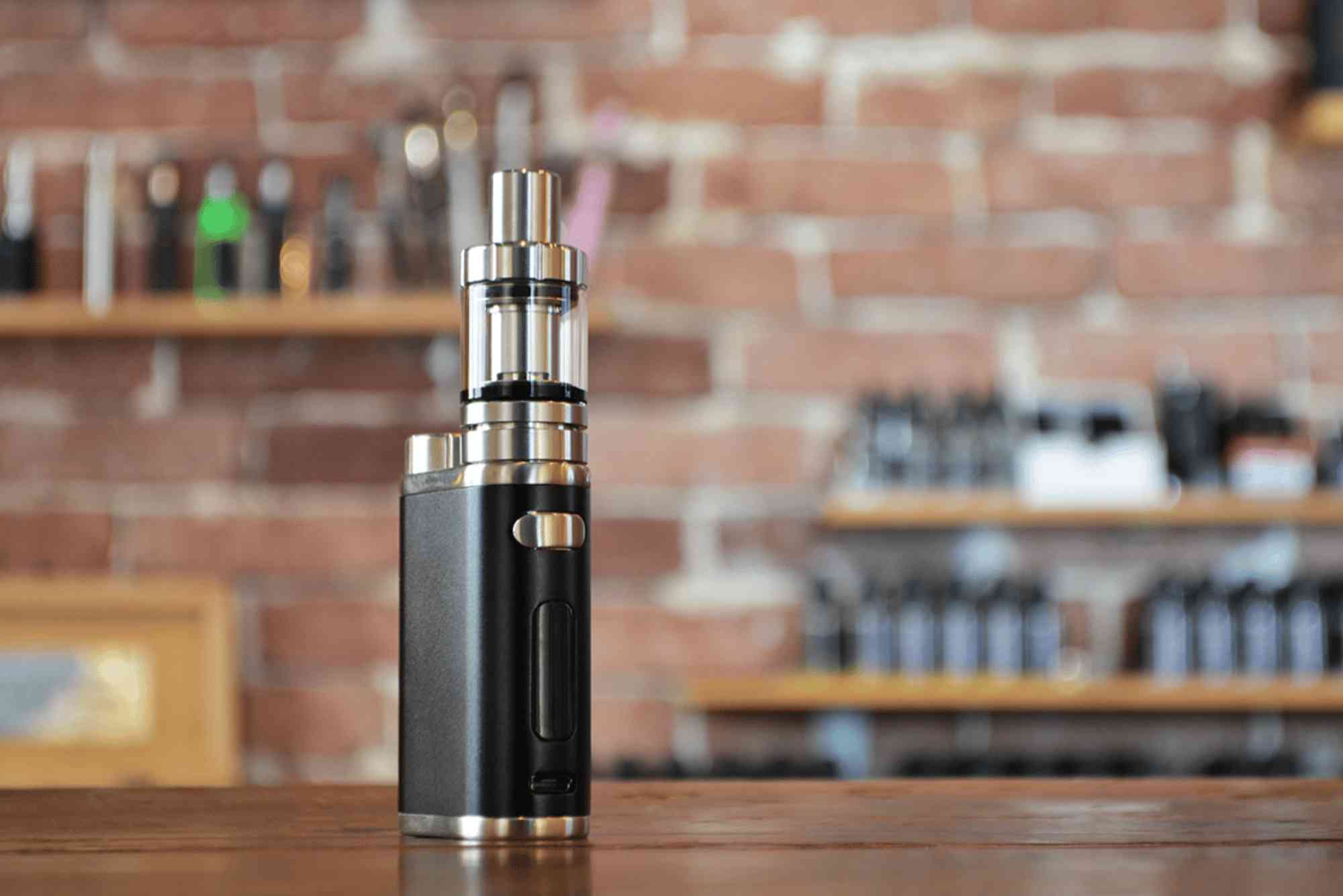
The first step in preventing tank cracking is understanding what causes it. Vape tanks are usually made of glass (often Pyrex) or plastic (commonly polycarbonate or acrylic). While both materials offer unique benefits, they are susceptible to different types of damage.
Material Incompatibility
One of the leading causes of vape tank cracking is chemical incompatibility between certain e-liquid ingredients and tank materials. Some flavorings, especially citrus-based or cinnamon e-liquids, can erode plastic tanks. These flavors are known to be ‘tank crackers’ because they interact poorly with polycarbonate plastic, causing the material to weaken or crack over time. Switching to glass or high-grade metal tanks can significantly reduce this risk.
Improper Handling and Impact
Another major contributor is physical damage caused by drops or bumps. While vape tanks may look sturdy, a small fall can shatter the glass section or stress crack the plastic. Many users assume that carrying their device in a pocket or bag is safe, but pressure or movement inside those tight spaces can cause unseen micro-fractures that develop into larger cracks.
Temperature Fluctuations
Rapid changes in temperature can also stress tank materials. Vaping at very high wattages or exposing your device to sunlight or freezing environments can expand or contract the tank material too quickly. Over time, these thermal shocks weaken the structure and lead to cracking. That’s why it’s crucial to store your device in a stable, cool environment.
Over-Tightening Components
Over-tightening your vape tank when assembling or cleaning it can put excess stress on the threads or seals, particularly if they’re made from plastic. This pressure can warp the structure and eventually lead to cracks around the seals or connectors.

Best Practices for Preventing Tank Cracking
Now that we’ve covered the causes, let’s explore actionable steps you can take for preventing tank cracking and extending the life of your vape gear.
Choose the Right Materials
When selecting a vape tank, go for options made of Pyrex glass or stainless steel. These materials are more resistant to chemical erosion and physical impact. Avoid tanks made from polycarbonate plastic if you prefer citrus, menthol, or cinnamon-flavored e-liquids. Investing in a quality tank upfront can save you from repeated replacements.
Use E-liquids Wisely
Before buying an e-liquid, check if it contains known tank-cracking ingredients. If you’re unsure, consult with your local vape shop or the manufacturer. Many brands will specify whether their juice is safe for plastic tanks. When in doubt, stick to standard flavors like tobacco, vanilla, or dessert blends that are generally safer for all tanks.
Handle with Care
To minimize the chance of dropping your device, always place it on stable, flat surfaces. Avoid setting it on your car dashboard or armrest where it can roll off. When you’re on the go, consider using a padded vape case or holster to protect your tank from impacts. Even short drops can be catastrophic, especially for glass tanks.
Avoid Extreme Temperatures
Don’t leave your vape in a hot car, near a heater, or in direct sunlight. On the flip side, don’t store it in cold places like freezers or outdoor sheds in winter. Gradual temperature changes are less risky than sudden fluctuations. If you move between hot and cold environments, allow your tank to acclimate slowly before use.
Clean and Maintain Regularly
Gunk buildup inside your vape tank can contribute to corrosion and weak points in the structure. Clean your tank with warm water (not boiling) and a soft cloth or brush. Never use strong solvents or vinegar, as these can degrade certain tank materials. Always dry thoroughly before reassembly to avoid internal stress caused by trapped moisture.
Avoid Over-Tightening
When screwing parts together, stop as soon as you feel resistance. Over-tightening not only risks cracking the tank but can also strip threads or compromise seals. A secure but gentle hand will keep your device safe and functional. Make sure all parts are aligned properly before tightening to avoid unnecessary strain.
Signs Your Tank Is at Risk
Recognizing early warning signs can help you act before your tank fully cracks. Small hairline fractures, cloudy or discolored spots, and leaking around the seals are all indicators that something is wrong. If your tank suddenly starts leaking and you can’t find a problem with the seals or coil, inspect the body closely for micro-fractures. You may also notice a change in taste or performance when the tank integrity is compromised.
When to Replace Your Vape Tank
No tank lasts forever, especially if it’s used frequently. Even with the best maintenance, wear and tear will eventually take a toll. Replace your tank if you see visible cracks, consistent leaking, or if flavor quality significantly drops. Investing in a replacement early can save you from more expensive damage to your vape mod or even potential safety risks.
How Tank Design Affects Durability
The design of your tank plays a huge role in its ability to resist cracking. Look for tanks with reinforced glass or metal sleeves. Some manufacturers offer shock-proof or impact-resistant designs with silicone bumpers or cages around the glass. These tanks absorb shock better and reduce the likelihood of cracking due to accidents.
Airflow design also matters. Tanks with poorly engineered airflow channels may allow e-liquid to pool in certain areas, leading to uneven heating and internal stress. Choose tanks from reputable brands that are known for quality engineering and thoughtful designs.
Real-Life Experiences: Learning from Other Vapers
Many experienced vapers share stories about accidentally cracking tanks due to ignoring small issues like a loose o-ring or using a harsh citrus juice in a plastic tank. Some have even cracked brand-new tanks by cleaning them with boiling water. These cautionary tales serve as a reminder: always follow best practices and treat your gear with care. Online communities like Reddit or vaping forums are full of advice and real-world reviews that can help you avoid costly mistakes.
Protect Your Investment and Vape Smarter
Preventing tank cracking isn’t just about saving money—it’s about maintaining a smooth and satisfying vaping experience. From choosing the right materials to storing your device safely, every step matters. By staying informed and taking simple precautions, you can extend the life of your tank and avoid unnecessary frustration. Always handle your device with care, stay aware of your e-liquid ingredients, and perform regular maintenance.
FAQs
Q: What e-liquids are most likely to crack my vape tank?
A: Citrus, cinnamon, menthol, and some acidic fruit flavors can erode plastic tanks, especially those made of polycarbonate. Always check with the manufacturer or use a glass tank to be safe.
Q: Can temperature changes cause my tank to crack?
A: Yes. Sudden temperature fluctuations—like going from a cold room to a hot car—can stress your tank’s materials and lead to cracking over time.
Q: Is glass or plastic better for vape tanks?
A: Glass tanks, especially Pyrex, are more resistant to chemical and physical damage. Plastic tanks are lighter but more vulnerable to certain e-liquids and impacts.
Q: How do I clean my tank without risking damage?
A: Use warm (not hot) water and a soft cloth. Avoid harsh chemicals or boiling water. Dry all parts thoroughly before reassembling to prevent stress fractures.
Q: Should I replace a tank with small cracks?
A: Yes. Even tiny cracks can expand quickly under pressure or heat, leading to leaks or complete failure. Replace it before it affects your device or safety.