
Transitioning from Smoking to Vaping: A Guide
Switching from smoking to vaping can feel overwhelming at first, but with the right information and guidance, the transition can be smooth and rewarding. If you’re a smoker looking for a less harmful alternative, vaping presents a compelling choice. This guide aims to walk you through the essentials of the smoking to vaping transition, helping you make informed decisions and avoid common pitfalls.
Making the switch isn’t just about replacing one habit with another—it’s about moving toward a lifestyle with fewer toxins, more control, and potentially better health outcomes. Whether you’re doing it for your lungs, your loved ones, or your future, this transition is a step in the right direction.
Why Consider the Smoking to Vaping Transition?
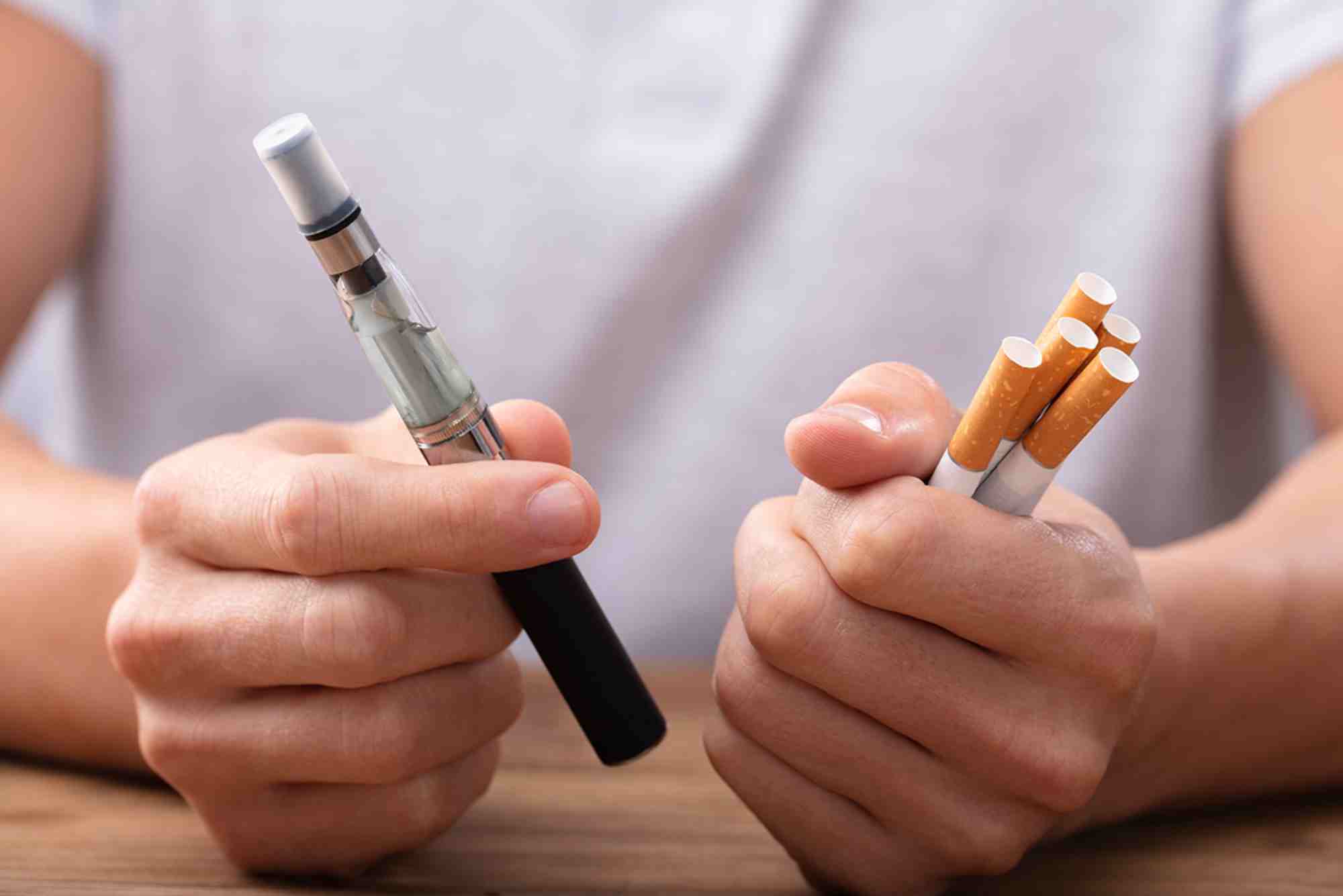
Traditional cigarettes contain thousands of harmful chemicals, many of which are known to cause cancer and other chronic illnesses. Unlike cigarettes, e-cigarettes do not burn tobacco. Instead, they heat a liquid—usually made of nicotine, propylene glycol, vegetable glycerin, and flavoring—to create vapor. This process eliminates many of the toxic byproducts found in tobacco smoke.
For many smokers, vaping offers a similar hand-to-mouth ritual and throat hit without the tar and combustion. This makes it a practical stepping stone for those aiming to reduce or quit nicotine altogether.
Understanding How Vaping Works
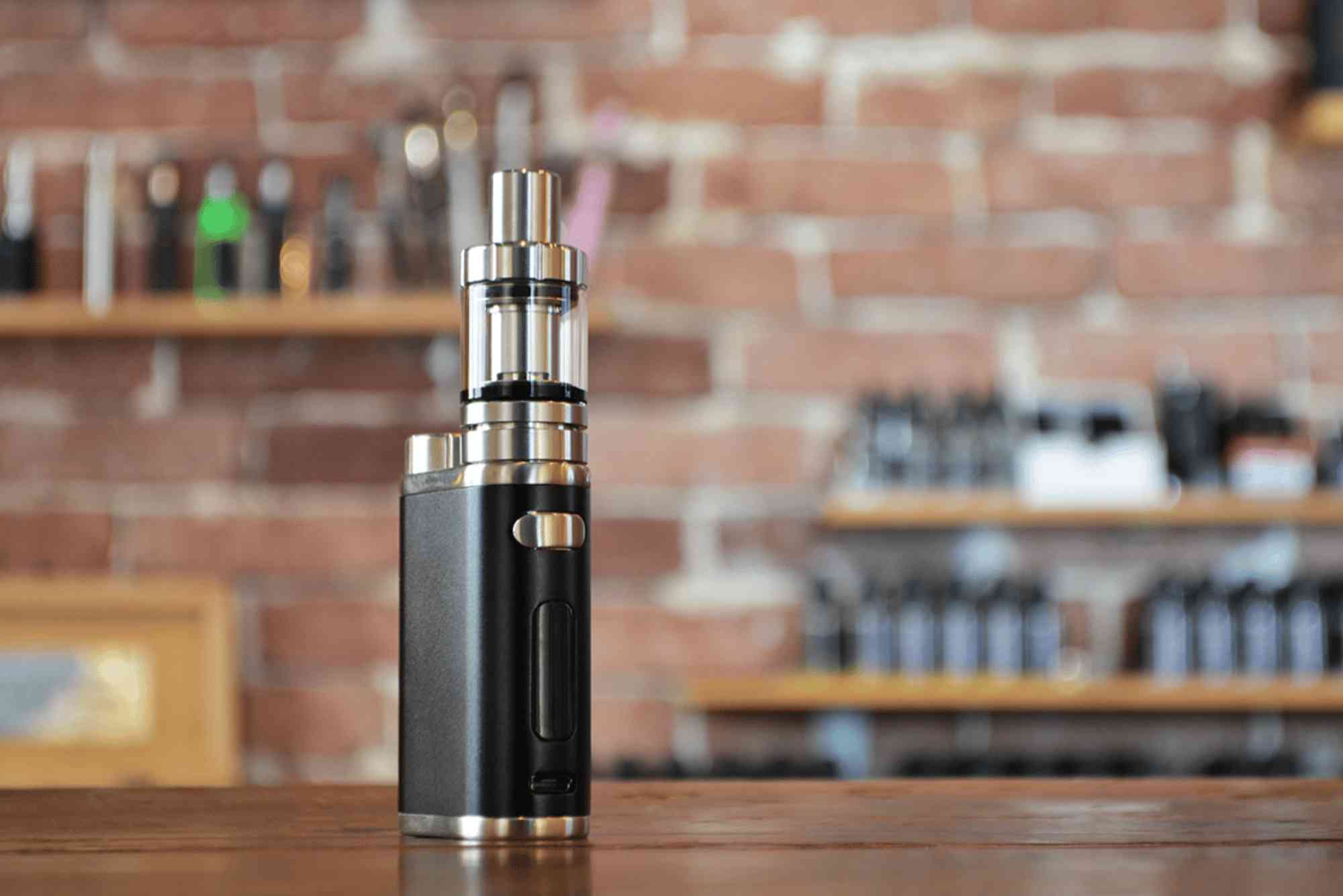
Before you start vaping, it’s helpful to understand the basic components. Most vaping devices consist of a battery, a coil or heating element, a tank or pod, and e-liquid.
When you inhale, the battery powers the coil, which heats the liquid into vapor. You then inhale that vapor, which delivers nicotine without smoke. The device may be as simple as a disposable pen or as advanced as a customizable mod, depending on your preferences.

Right Vaping Device for Beginners
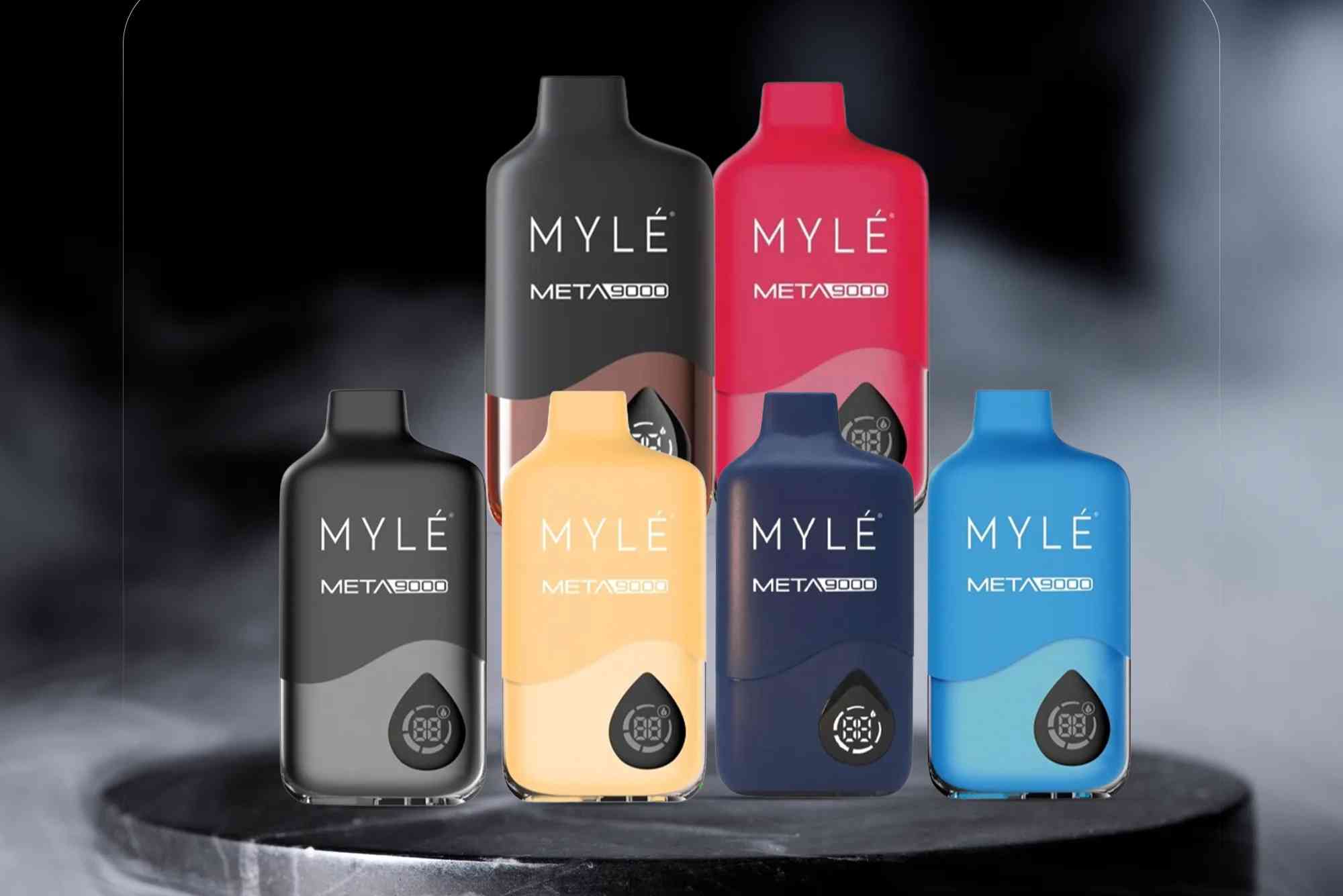
One of the biggest barriers in the smoking to vaping transition is choosing the wrong device. A complex setup can confuse or frustrate new users. Beginners should look for simple, user-friendly options such as pod systems or disposable vapes. These devices are compact, pre-filled, and require little to no maintenance.
Pod systems, especially those that use nicotine salts, are particularly effective for heavy smokers because they mimic the nicotine delivery and satisfaction of cigarettes. Brands like JUUL, Vaporesso, or Uwell Caliburn are popular among first-timers for their ease of use and reliability.
Selecting the Right E-Liquid and Nicotine Strength
Not all e-liquids are created equal. E-liquids come in a wide range of nicotine strengths, from 0 mg to 50 mg per ml. Choosing the right strength is critical. Too little nicotine and you may experience cravings; too much, and you might feel dizzy or nauseous. Heavy smokers (more than one pack a day) may want to start with a high-strength nicotine salt e-liquid—usually around 20-50 mg/ml. Moderate smokers can start between 10-20 mg/ml, while light smokers may be comfortable at 3-6 mg/ml.
E-liquid flavors also play a vital role. While tobacco flavors might help ease the transition initially, many users find success with fruit, dessert, or mint options that make vaping more enjoyable and help distance themselves from the taste of cigarettes.
Managing Nicotine Cravings and Withdrawal
One concern for smokers transitioning to vaping is how to manage nicotine cravings. Vaping helps reduce withdrawal symptoms, but it’s still a change your body will notice. You may experience irritability, headaches, or increased hunger during the first week.
To manage this, vape regularly throughout the day rather than trying to “tough it out.” Unlike cigarettes, which are finished in a few minutes, vaping can be done intermittently, giving you control over your nicotine intake. Hydration, rest, and patience also help. Understand that these symptoms usually subside within a few days to a couple of weeks as your body adjusts.
Adjusting Your Habits and Routine
Smoking often becomes intertwined with daily routines—after meals, during breaks, or while driving. Transitioning to vaping means reworking these habits.
Instead of lighting up after lunch, reach for your vape. If you’re used to smoke breaks, take a vape break instead. You’re not only changing a product, you’re reshaping your rituals. This behavioral shift is essential for a successful smoking to vaping transition. Keeping your vape charged and e-liquid topped up ensures you’re not caught off guard during moments of craving.
Common Mistakes to Avoid When Switching to Vaping
While vaping is a great alternative, beginners often make mistakes that hinder the transition. One major error is going back to cigarettes during stressful times. Even occasional smoking can undo your progress. Commit to using your vape as your primary source of nicotine.
Another mistake is choosing the wrong nicotine strength or flavor. If the vape doesn’t satisfy you, you may be tempted to return to smoking. Don’t hesitate to try different strengths or flavors until you find the right fit. Lastly, don’t overlook battery safety and device maintenance. Always follow the manufacturer’s instructions and keep your device clean for optimal performance.
Health Benefits of Quitting Smoking
Research suggests that switching from smoking to vaping significantly reduces exposure to harmful chemicals. Many users report improved lung capacity, reduced coughing, and better senses of taste and smell within weeks of switching.
While vaping is not completely risk-free, it is considered far less harmful than smoking by reputable organizations like Public Health England. The ultimate goal for many is to eventually wean off nicotine altogether, and vaping can serve as a bridge toward that goal.
Social and Financial Benefits of Vaping
Beyond health, vaping can also improve your lifestyle in other ways. Cigarette smoke lingers in clothing, hair, and homes, while vapor dissipates quickly and leaves little to no odor.
Financially, vaping is more economical. A starter kit and a bottle of e-liquid often cost less than a few packs of cigarettes. Over time, the savings add up—especially if you move toward lower nicotine strengths or reduce usage.
Tips for Staying on Track
The first few days of the transition are crucial. Keep your vape accessible, and avoid triggers that remind you of smoking. Surround yourself with supportive people, whether in real life or online communities.
Set milestones and reward yourself. For example, celebrate one week smoke-free with a new vape flavor or accessory. Tracking your progress builds motivation and reinforces your commitment. If you relapse, don’t be too hard on yourself. Many people take a few tries to quit smoking completely. What matters is your long-term direction—not temporary setbacks.
The End Goal: From Smoking to Vaping to Nicotine-Free
Some users continue vaping long-term, while others use it as a stepping stone to become nicotine-free. If you choose the latter, gradually reducing your nicotine strength is an effective strategy. Start with your current level and lower it every few weeks or months as your body adjusts. Eventually, you may find yourself using 0 mg e-liquid—or no longer needing to vape at all. This progression is entirely personal and should happen at your own pace.
Make the Switch and Breathe Easier
Transitioning from smoking to vaping is a smart and achievable step toward better health. By choosing the right device, finding a satisfying nicotine level, and staying consistent, you can break free from the harmful effects of smoking.
Remember, this journey is about progress—not perfection. Whether your goal is harm reduction or quitting nicotine entirely, vaping can serve as a valuable tool. Stay informed, stay committed, and give yourself the chance to live smoke-free.
FAQs
Is switching from smoking to vaping really better for your health?
Yes. While vaping is not 100% risk-free, studies show it is significantly less harmful than smoking. It eliminates combustion and tar, which are major causes of smoking-related diseases.
How long does it take to adjust to vaping after smoking?
Most people adjust within the first week or two. It depends on your nicotine needs, device type, and how often you vape.
What nicotine strength should I use when switching from cigarettes?
It depends on how much you smoke. Heavy smokers often start with 20–50 mg/ml nicotine salts. Light smokers may use 3–6 mg/ml.
Can I vape and smoke at the same time?
While some people do both during the transition, it’s best to stop smoking completely. Dual use can reduce the health benefits of switching.
Why doesn’t vaping feel like smoking at first?
Vaping uses vapor, not smoke, so the sensation can feel different initially. Choosing the right device and nicotine level helps ease the adjustment.