
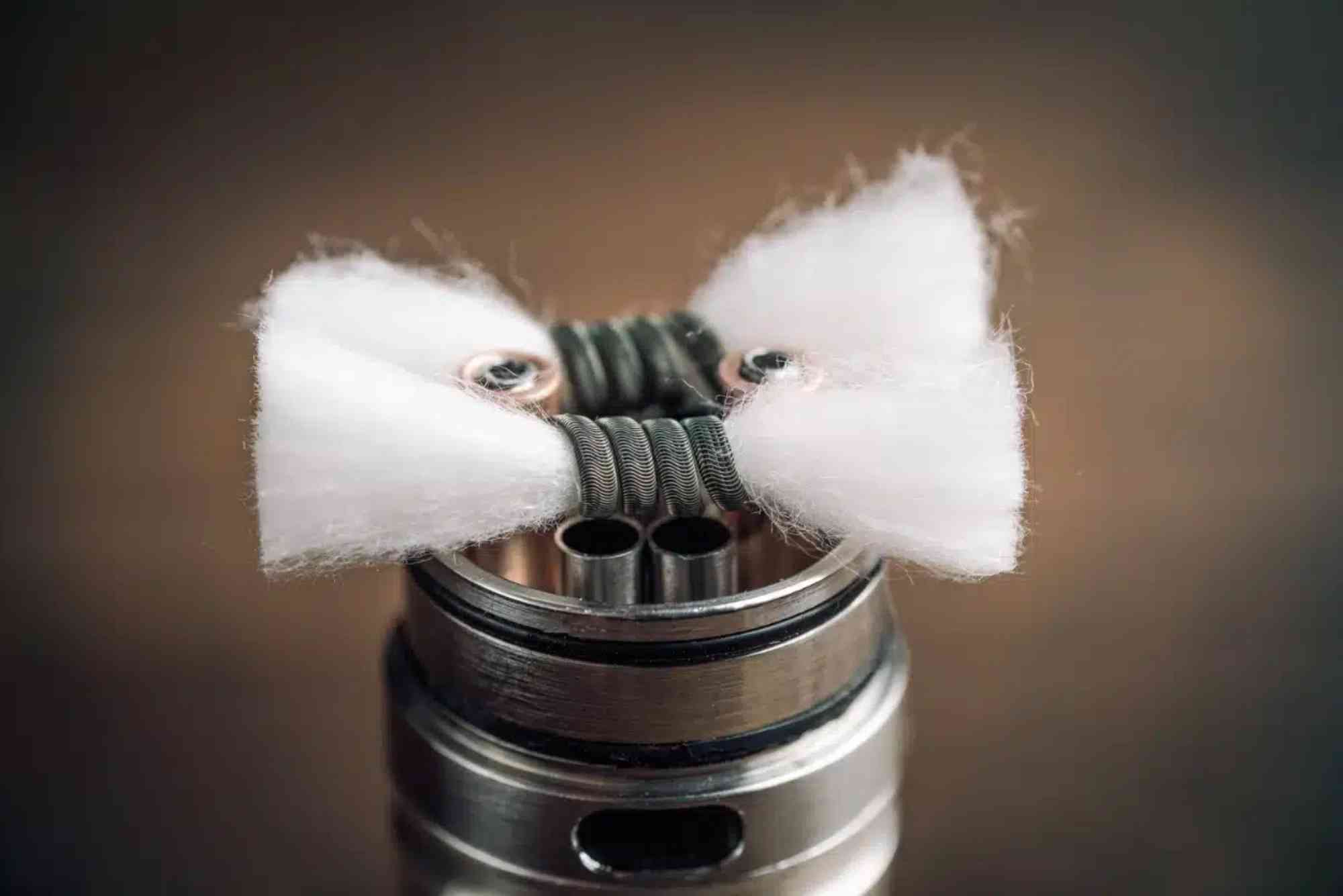
Understanding the Role of Wicking Material
The vape wicking material is one of the most crucial yet often overlooked components in any vaping setup. While the coil and mod may get most of the attention, it’s the wick that silently determines how efficiently your e-liquid is delivered to the coil and transformed into flavorful vapor. Whether you’re a beginner or an experienced vaper looking to fine-tune your setup, understanding vape wicking material is key to optimizing performance, flavor, and coil life. In this guide, we’ll explore everything you need to know about wicking material, from what it is and how it works to choosing the best type for your vaping style.
What Is Vape Wicking Material?
At its core, vape wicking material is a medium that absorbs and transports e-liquid from your tank or reservoir to the heating coil. When the coil is activated, it heats the saturated wick and vaporizes the liquid, which you then inhale. The most important quality of any wicking material is its ability to absorb liquid efficiently and resist burning when dry. Choosing the right vape wicking material ensures optimal vapor production, flavor intensity, and coil longevity.
Why Wicking Material Matters
The vape wicking material directly influences your vaping experience in several ways. Firstly, it affects how quickly the e-liquid reaches the coil. A wick that can’t keep up with your vape style, especially during chain vaping, may cause dry hits or even burn. Secondly, the purity of the material impacts flavor. Impurities in the wick can lead to a harsh, metallic, or cotton-like taste. Thirdly, durability matters; a long-lasting wick saves you time and money while maintaining performance.
Common Types of Vape Wicking Material
Organic Cotton
Organic cotton is the most widely used wicking material, especially in rebuildable atomizers and RDA setups. It’s easy to use, readily available, and provides excellent flavor. Its absorbency rate is decent, although it can sometimes struggle with thick high-VG e-liquids. One of the key benefits of organic cotton is its clean flavor, but you must ensure it’s 100% pesticide-free to avoid inhaling harmful residues.
Japanese Cotton
Japanese cotton, often recognized by its distinctive pad-like shape and natural brown specks, is popular for its natural taste and better durability compared to standard organic cotton. It holds more liquid and burns slower, making it suitable for sub-ohm vaping. Vapers who prefer precision and richer flavor tend to favor Japanese cotton for its structured consistency.
Cotton Bacon
Cotton Bacon is a form of pre-treated organic cotton tailored specifically for vaping. It comes in ready-to-use strips, eliminating the need to boil or prepare the cotton manually. Its high absorbency and excellent wicking speed make it a go-to for cloud chasers and flavor enthusiasts alike. Moreover, it’s sterile and clean, offering a consistent vaping experience every time.

Rayon
Rayon, often known by the brand name Cellucotton, is a synthetic fiber made from purified cellulose. Surprisingly, it performs exceptionally well as a wicking material. It wicks faster than cotton and is more resistant to dry hits, but some vapers are hesitant about using synthetic materials in their devices. That said, when sourced from reputable brands, rayon is generally safe and clean.
Silica
Silica was one of the first wicking materials used in early clearomizers and older tank systems. It’s heat-resistant and doesn’t burn easily, even when dry. However, silica doesn’t offer the same level of flavor purity or absorbency as modern materials, which is why it’s less common today. Still, it’s durable and might be found in legacy devices.
Stainless Steel Mesh
Used mainly in rebuildable tank atomizers (RTAs) and mesh-style rebuildable dripping atomizers (RDAs), stainless steel mesh provides excellent wicking and can be dry-burned to clean it. It’s especially effective in high-power setups but can be difficult to work with for beginners. While it doesn’t deliver the soft flavor profile of cotton, it offers exceptional durability.
Ceramic Wicks
Ceramic wicks are used in some pre-built coil systems. They provide a smooth, clean flavor and are highly heat resistant. Ceramic is often combined with other materials like cotton to balance absorbency and durability. It’s a great choice for those sensitive to cotton or looking for longer-lasting coil heads.
How to Choose the Best Vape Wicking Material
Choosing the best vape wicking material depends on your device, vaping style, and personal preferences. For example, if you’re using a rebuildable atomizer and prioritize flavor, Japanese cotton or Cotton Bacon may be ideal. If you vape at high wattages and want fast wicking, rayon or mesh could suit your needs better.
The VG/PG ratio of your e-liquid also matters. High VG juices are thicker and may need a material with superior wicking speed like rayon or Cotton Bacon. On the other hand, if you use thinner liquids, standard organic cotton will work just fine. Durability, ease of installation, and maintenance should also influence your decision.
The Science Behind Effective Wicking
Effective wicking is all about capillary action. The wick draws the liquid up to the coil using surface tension. Materials with tighter, more consistent fiber structures create stronger capillary action and faster e-liquid delivery. However, too tight a structure might restrict flow, while too loose a structure could flood the coil.
Another factor is heat resistance. Wicks are exposed to high temperatures, especially when dry. Cotton and rayon will burn if dry, while silica and ceramic can withstand dry conditions. Matching the wicking material to the power level of your device ensures you avoid dry hits and extend coil life.
Signs Your Wick Needs Replacing
Recognizing when your wick needs changing is crucial. Common signs include a burnt taste, reduced vapor production, muted flavor, or visible discoloration on the cotton. Even if your coil is intact, a degraded wick can ruin the vape experience. Regular maintenance extends the life of your coils and enhances performance.
Tips for Proper Wicking
Correctly installing your wicking material makes all the difference. Avoid using too much material, as it can choke the juice flow and lead to dry hits. Too little, and you risk leaking or flooding the coil. Your wick should fit snugly through the coil but still slide with slight resistance. After installing, always saturate the wick with e-liquid before firing to avoid burning it dry.
Using proper wicking techniques like the Scottish roll or combing out the ends can improve juice flow and overall performance. If you’re working with mesh, ensure full contact between the mesh and wick to prevent hot spots.
How Often Should You Change Your Vape Wick?
On average, wicks last anywhere from two days to a week depending on usage, e-liquid sweetness, and power levels. Sweet or dark-colored juices tend to gunk up wicks faster. High wattage also shortens wick life due to heat stress. If you’re a casual vaper using clear e-liquids, your wick could last longer with occasional cleaning.
FAQs
What is the best wicking material for flavor?
Japanese cotton and Cotton Bacon are widely praised for delivering the purest and richest flavor. They have minimal break-in time and no off-tastes, making them ideal for flavor chasers.
Can I reuse vape wicking material?
It’s not recommended to reuse wicking material, especially if it’s burnt or discolored. While some materials like stainless steel mesh can be cleaned and reused, most cotton-based wicks should be replaced once they degrade.
Does vape wicking material affect cloud production?
Absolutely. Materials with higher wicking speeds, like rayon or Cotton Bacon, allow more liquid to reach the coil quickly, resulting in denser vapor clouds. The right wick enhances both flavor and cloud production.
Is rayon safe to use for wicking?
When sourced from medical-grade or cosmetic-grade suppliers, rayon is generally safe. It’s a synthetic cellulose fiber but doesn’t burn as easily and provides excellent wicking performance. However, some vapers prefer natural materials for peace of mind.
What happens if I use the wrong wicking material?
Using the wrong vape wicking material can lead to dry hits, leaking, poor flavor, or burnt taste. Matching the material to your coil and vape style ensures consistent performance and a satisfying experience.
Understanding vape wicking material is fundamental to achieving the best flavor, vapor, and longevity from your vaping setup. While cotton remains a reliable choice for most users, experimenting with alternatives like rayon, ceramic, or mesh can elevate your experience. Always choose clean, reputable materials and maintain your setup regularly for optimal results.