
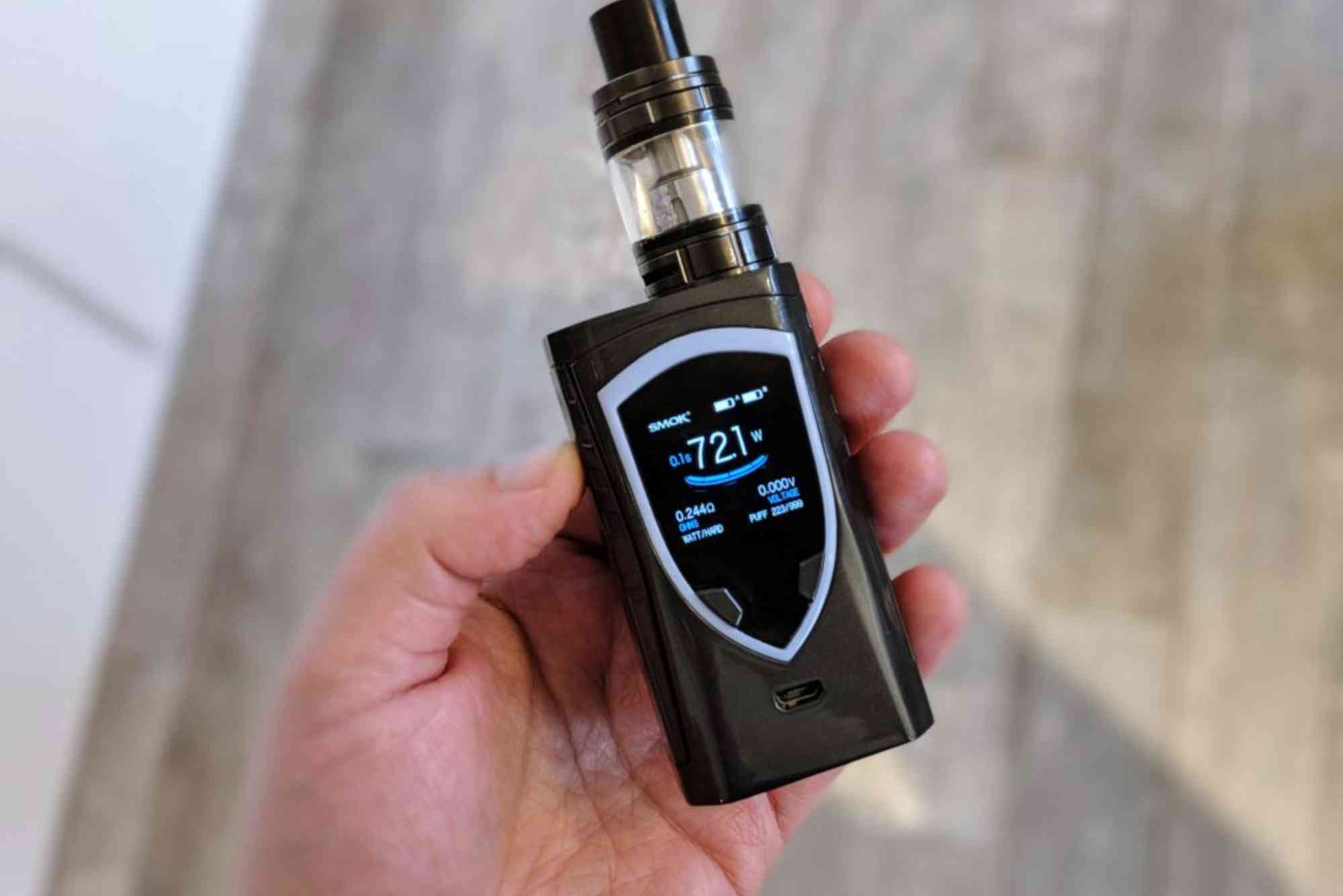
How to Choose the Right Vape Mod Settings
Understanding how to adjust your vape mod settings can make a huge difference in the quality of your vaping experience. Whether you’re a beginner trying to get started or a seasoned vaper looking to optimize your setup, finding the right balance is essential. In this comprehensive vape mod settings guide, we’ll walk you through the crucial components—wattage, voltage, temperature control, coil resistance, and airflow—so you can vape smarter and safer. Tuning your device correctly enhances flavor, cloud production, and throat hit while minimizing dry hits and coil burnouts. Let’s dive in and fine-tune your device for a satisfying vape session every time.
Understanding the Basics of Vape Mods
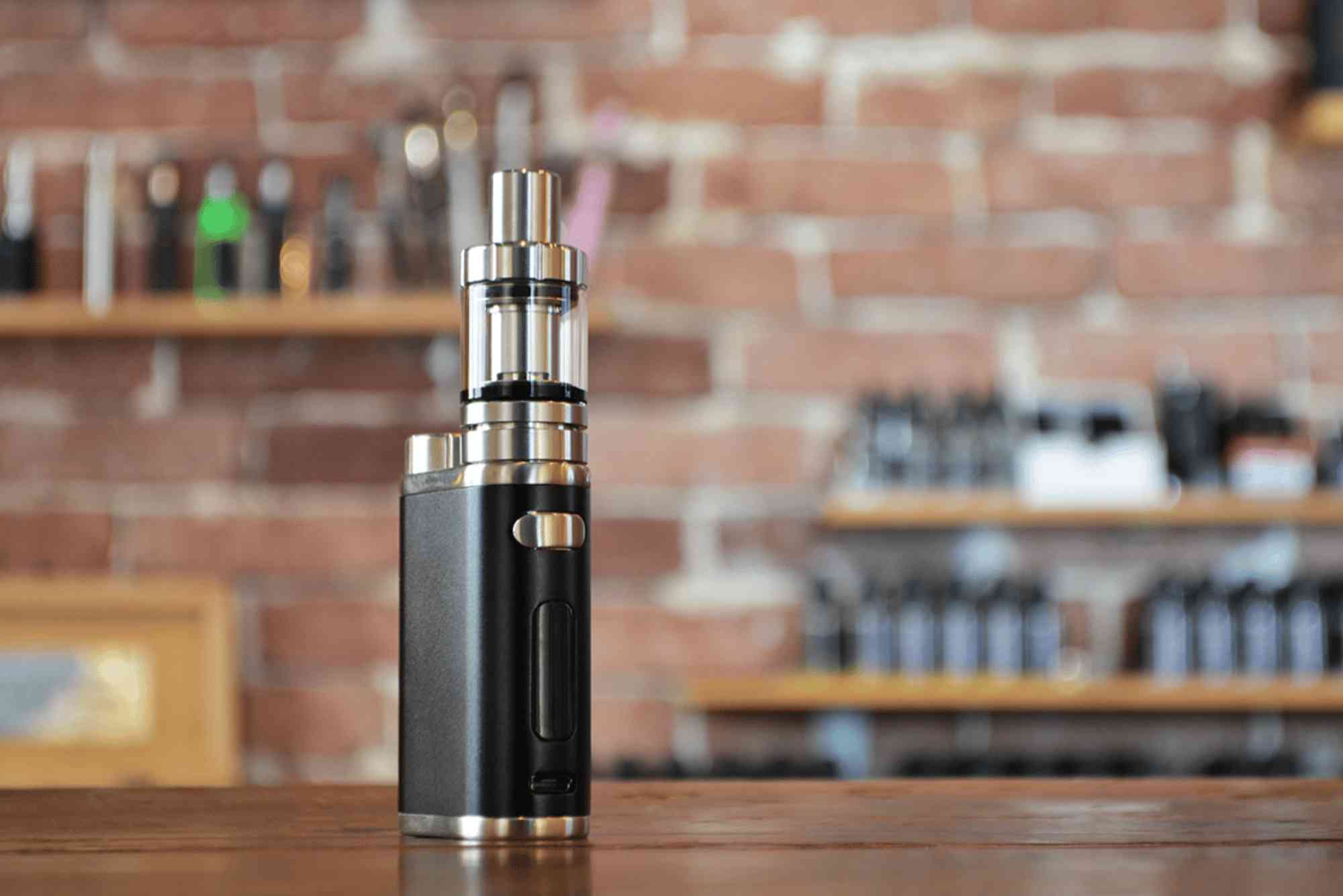
Before exploring specific settings, it’s important to understand what a vape mod is. A vape mod is a more advanced vaping device that offers customization of power output, temperature, and airflow. These settings directly affect how your e-liquid is vaporized and how the vapor tastes and feels. The goal of this vape mod settings guide is to help you understand each adjustable parameter and how it impacts your vaping experience.
Wattage Control – The Core of Vaping Settings
Wattage control is the most commonly used setting in vape mods. It refers to the amount of power sent to the coil. Higher wattage means more heat, more vapor, and often a stronger flavor. But too much wattage can burn your coil and ruin your e-liquid’s taste. To find your ideal wattage, check the recommended range on your coil. Start at the low end and increase gradually. This approach helps prevent burnt hits and extends coil life. If you’re using a sub-ohm coil (less than 1.0 ohm), higher wattages are typically required. However, don’t exceed the coil’s maximum rating. The sweet spot usually depends on your e-liquid’s VG/PG ratio and nicotine strength. For high VG liquids, higher wattage produces better clouds, while high PG e-liquids are better suited for lower wattages and mouth-to-lung devices.
Voltage Settings – Less Common but Still Useful
Voltage and wattage are interconnected, and most modern devices use wattage mode. However, some vape mods allow manual voltage adjustment. Voltage is the electrical potential delivered to the coil. Adjusting voltage is useful for older or simpler mods, or when using rebuildable atomizers. If your mod doesn’t have a wattage setting, calculate the ideal voltage using Ohm’s Law: Voltage = √(Wattage x Resistance). For example, a 0.5-ohm coil running at 25 watts would require approximately 3.5 volts. Always check if your mod supports manual voltage mode before using it. Too high voltage can burn your coil; too low may produce weak vapor.
Temperature Control (TC) – Precise and Consistent
Temperature control is a game-changer for many vapers. It allows you to set a maximum temperature for your coil, preventing overheating and burnt hits. TC mode only works with specific coil materials like stainless steel, nickel (Ni200), and titanium. You’ll find temperature settings ranging from 200°F to 600°F (or 100°C to 315°C). The right temperature depends on your preferences. Lower temperatures offer smoother hits, while higher temps enhance vapor and flavor. One major benefit of TC mode is consistent performance, especially with high-VG liquids that require stable heating. TC also prolongs coil life by avoiding sudden spikes in temperature. If you’re chasing flavor, a moderate temperature around 400°F is a good place to start. Just remember to lock in the coil resistance when the coil is cool for accurate readings.
Coil Resistance – Know Your Build
Coil resistance, measured in ohms, is the backbone of vape mod customization. It determines how much current flows through the coil. A low resistance coil (sub-ohm, typically below 1.0 ohm) heats faster and produces more vapor. These are great for direct-to-lung (DTL) vapers and cloud chasers. Higher resistance coils (above 1.0 ohm) are suited for mouth-to-lung (MTL) vapers who want a tighter draw and less vapor. When choosing resistance, think about your vaping style, nicotine strength, and preferred wattage. Sub-ohm vaping is best paired with low nicotine (3–6 mg/mL), while MTL vapers may use higher nicotine, including nic salts. Always use coils rated for your specific mod to avoid battery strain or overheating.

Airflow Settings – Fine-Tune Your Draw
Airflow plays a major role in flavor, vapor production, and throat hit. Most modern vape tanks come with adjustable airflow rings. Opening the airflow creates a cooler, airier vape with more cloud production. Tighter airflow gives you a warmer, more intense draw, enhancing flavor and throat hit. For sub-ohm vaping, a wide-open airflow is common, allowing big clouds and cooler vapor. MTL vapers usually prefer restricted airflow for a cigarette-like experience. Try experimenting with different airflow settings while adjusting your wattage to discover the balance that suits you best. Just remember that restricted airflow may require slightly lower wattage to avoid overheating.
Soft, Normal, and Hard Modes – Power Curves Explained
Many vape mods come with modes like soft, normal, or hard. These refer to how fast power is delivered to the coil. The “soft” mode slowly ramps up power, ideal for smoother hits. “Normal” gives a standard power curve, while “hard” hits the coil with full power quickly for more intense vapor. Use the soft setting for delicate flavors or if you prefer a mellow experience. Choose hard mode when using higher wattage or when cloud chasing. It’s worth trying each mode to see how it affects your vape, especially if your device supports wattage curve customization.
Battery Settings and Safety – What You Must Know
Your vape mod’s battery settings and capabilities are essential for safe vaping. Always use high-quality, authentic batteries and charge them properly. Understand your battery’s amp limits and pair them with coils that don’t exceed the safe operating range. Using Ohm’s Law, you can calculate the safe wattage and amperage for your setup. Some mods have built-in battery management features like cut-off voltage, over-discharge protection, and battery level indicators. Use these tools to keep your vape running safely and efficiently. If you’re using a mechanical mod, safety becomes even more critical, as there are no protections built-in.
Finding Your Personal Vaping Style
Choosing the right vape mod settings is not just about following numbers. It’s about tailoring your device to suit your preferences. Some vapers prioritize flavor, others focus on cloud production. Many enjoy a warm, dense hit, while others prefer a cool, airy vape. Use this vape mod settings guide to test combinations of wattage, temperature, and airflow until you find your sweet spot. Don’t hesitate to tweak your settings as your e-liquids or coils change. Keep notes if needed and always start low and adjust gradually.
Common Mistakes to Avoid
A few mistakes can ruin your vaping experience or even damage your device. Avoid cranking up the wattage too fast—it can burn your coil and waste e-liquid. Don’t ignore the recommended range printed on your coil. Never use temperature control with incompatible coil materials like Kanthal or Nichrome. Also, remember to prime your coil before vaping by letting it soak in e-liquid for 5–10 minutes. Regularly clean your device and change your coils when flavor drops or vapor decreases. Ignoring these basics can shorten your device’s lifespan and lower performance.
Master Your Vape Mod Settings with Confidence
Mastering your vape mod settings takes a little time and experimentation, but it’s worth every effort. By learning how wattage, temperature, coil resistance, and airflow interact, you’ll unlock the full potential of your device. Whether you’re chasing clouds or savoring flavor, the right setup enhances every puff. Use this vape mod settings guide as your reference for safer, smarter, and more enjoyable vaping. If you found this guide helpful, share it with fellow vapers and bookmark it for future reference. Ready to upgrade your vaping game? Start adjusting your settings today and experience the difference.
FAQs
Q: What wattage should I set my vape to?
A: Start at the low end of your coil’s recommended wattage range. Gradually increase it until you find the best balance of flavor and vapor without burning the coil.
Q: How do I know if I’m using the right settings?
A: If your vape tastes good, produces smooth vapor, and your coil lasts several days without burning, your settings are likely just right. Adjust based on throat hit, cloud size, and warmth.
Q: Can I use temperature control with any coil?
A: No. TC mode only works with certain coil materials like stainless steel, nickel, and titanium. Kanthal and Nichrome are not TC-compatible.
Q: Why does my vape taste burnt even at low settings?
A: A burnt taste can mean your coil is dry, your wattage is still too high, or the coil needs replacing. Always prime your coil and ensure proper e-liquid saturation.
Q: What’s the best setting for flavor?
A: Moderate wattage (within coil range), restricted airflow, and a flavor-focused coil typically yield the best flavor. Try starting at 20–30 watts for MTL and 40–60 watts for DTL flavor vaping.
Q: Should I adjust airflow or wattage first?
A: Start by adjusting wattage within the recommended range. Then fine-tune your airflow to match the warmth and draw you prefer.