
Understanding Vape Wattage and Voltage
Whether you’re a beginner or an experienced vaper, understanding vape wattage vs voltage is essential for optimizing performance, flavor, and safety. These two terms are often used interchangeably, but they serve different functions in vaping. Knowing how wattage and voltage work—and how they affect your vaping experience—can transform a mediocre puff into the perfect hit.
In this guide, we’ll break down what wattage and voltage really mean, how they influence vapor production, and how to fine-tune your vape for the best results.
What Is Vape Wattage?
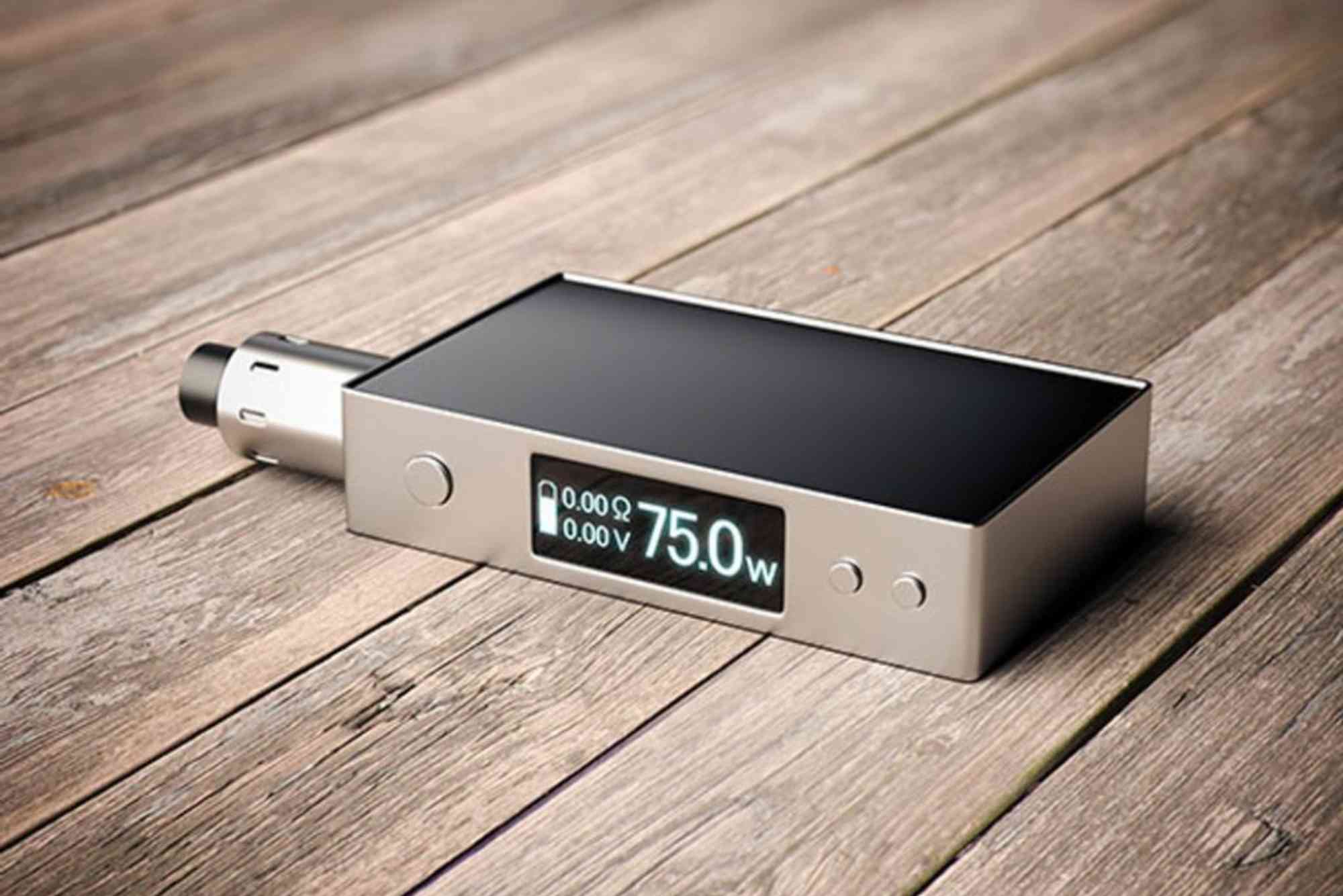
Wattage refers to the power output of your vape device. It’s the energy used to heat the coil and vaporize the e-liquid. Measured in watts (W), it directly impacts how much vapor is produced and how warm the vapor feels.
When you increase the wattage:
- The coil heats up faster.
- Vapor production increases.
- The hit feels warmer and stronger.
- E-liquid gets used up more quickly.
Most modern vape devices use variable wattage, allowing users to adjust the power according to their preferences and coil resistance.
Benefits of Adjustable Wattage
Customizable wattage offers better control over the vaping experience. You can fine-tune your settings for:

- Flavor intensity: Higher wattage enhances flavor, but too much can burn it.
- Cloud production: Cloud chasers often vape at higher wattages.
- Battery management: Lower wattage conserves battery life.
What Is Vape Voltage?
Voltage is the electric potential sent from the battery to the coil. Measured in volts (V), it determines how much electrical force is applied to the coil. In mechanical mods, voltage is constant and cannot be adjusted. However, regulated mods allow users to set the voltage manually.
While wattage tells you how much power is used, voltage tells you how much pressure is used to deliver that power.
How Voltage Affects Vaping
A higher voltage can:
- Create more vapor
- Increase throat hit
- Risk overheating or burning the coil if not managed well
Lower voltage, on the other hand, offers a cooler and more subtle vape—ideal for flavor-focused vapers or those using high-resistance coils.
Vape Wattage vs Voltage: The Core Differences
Understanding Vape Wattage VS Voltage means recognizing how they relate to each other. They are part of a triangle that includes resistance (measured in ohms), and together they determine the power flow in your vape.
The key relationship is defined by Ohm’s Law:
Power (Watts) = Voltage² / Resistance
This formula helps explain why adjusting one factor (like wattage) affects the others (voltage and resistance). Most regulated vape devices use this equation to automatically adjust the voltage when you set the wattage.
Wattage Is Power — Voltage Is Push
Think of it like a water hose:
- Voltage is the pressure pushing water through.
- Resistance is the size of the hose.
- Wattage is the actual amount of water coming out.
This analogy helps clarify why choosing the right combination of wattage, voltage, and resistance is crucial for an enjoyable vape.
How to Choose the Right Wattage and Voltage
Choosing the right settings depends on your vaping style, coil type, and personal preference.
Start Low, Go Slow
Always start at the lower end of the recommended wattage range for your coil. Gradually increase until you find the perfect balance of flavor and vapor without burning the coil.
Know Your Coil
Each coil has a recommended wattage range printed on its side. Using a wattage outside this range can cause:
- Poor vapor production
- Dry hits
- Coil burnout
Lower resistance coils (sub-ohm) work better at higher wattages, while higher resistance coils (above 1 ohm) are ideal for lower wattage and voltage.
Regulated Mods Simplify the Process
Most regulated vape mods allow you to set your desired wattage, and the device will automatically adjust the voltage accordingly. This makes the vaping experience safer and more user-friendly, especially for beginners.
Why Wattage Control Is Preferred Today
Modern vape devices have moved toward wattage control over voltage for several reasons:
- Precision: Wattage mode offers finer control over your experience.
- Safety: Built-in protections in regulated mods help avoid overheating.
- Ease of use: You don’t need to calculate anything; just set your wattage and vape.
While some devices still offer voltage mode, most vapers prefer wattage due to its straightforward nature.
Common Misconceptions About Vape Wattage and Voltage
Higher Wattage Is Always Better
Not true. While higher wattage may produce bigger clouds, it can also burn your coil faster and mute flavors. It also drains your battery quicker and uses more e-liquid.
Voltage Doesn’t Matter in Wattage Mode
Also false. Even if you’re setting wattage, the device adjusts the voltage in the background. Voltage still plays a vital role in achieving your set wattage.
One Setting Fits All
Each coil and device behaves differently. Your ideal settings may not work for someone else. Experiment and find your personal sweet spot.
Troubleshooting: Wattage and Voltage Issues
If you’re experiencing issues like burnt hits, weak vapor, or gurgling sounds, your wattage or voltage settings may be off.
- Burnt taste: Lower your wattage or ensure the coil is properly primed.
- Low vapor: Try increasing wattage slightly within the coil’s safe range.
- Battery drains fast: Use lower wattage or upgrade to a higher-capacity battery.
Always check the coil resistance and stay within the manufacturer’s recommended settings.
FAQs
What wattage should I vape at?
It depends on your coil. Most standard coils work best between 10W–30W, while sub-ohm coils can handle 40W–100W. Always start at the lower end of the recommended range.
Does higher wattage mean more nicotine?
Not directly. However, higher wattage creates more vapor, so you may inhale more nicotine per puff. Consider adjusting your e-liquid strength if you change your wattage.
Can I change voltage on my vape?
Only if your device has variable voltage mode. Most modern vapes use wattage mode, which automatically adjusts voltage for you.
Is it safe to vape at high wattage?
Yes, as long as your coil is rated for it and your device is regulated. Avoid going beyond the recommended wattage range to prevent overheating or coil damage.
Should I use wattage or voltage mode?
Wattage mode is more beginner-friendly and widely used. Voltage mode offers more manual control but requires a deeper understanding of Ohm’s Law.