
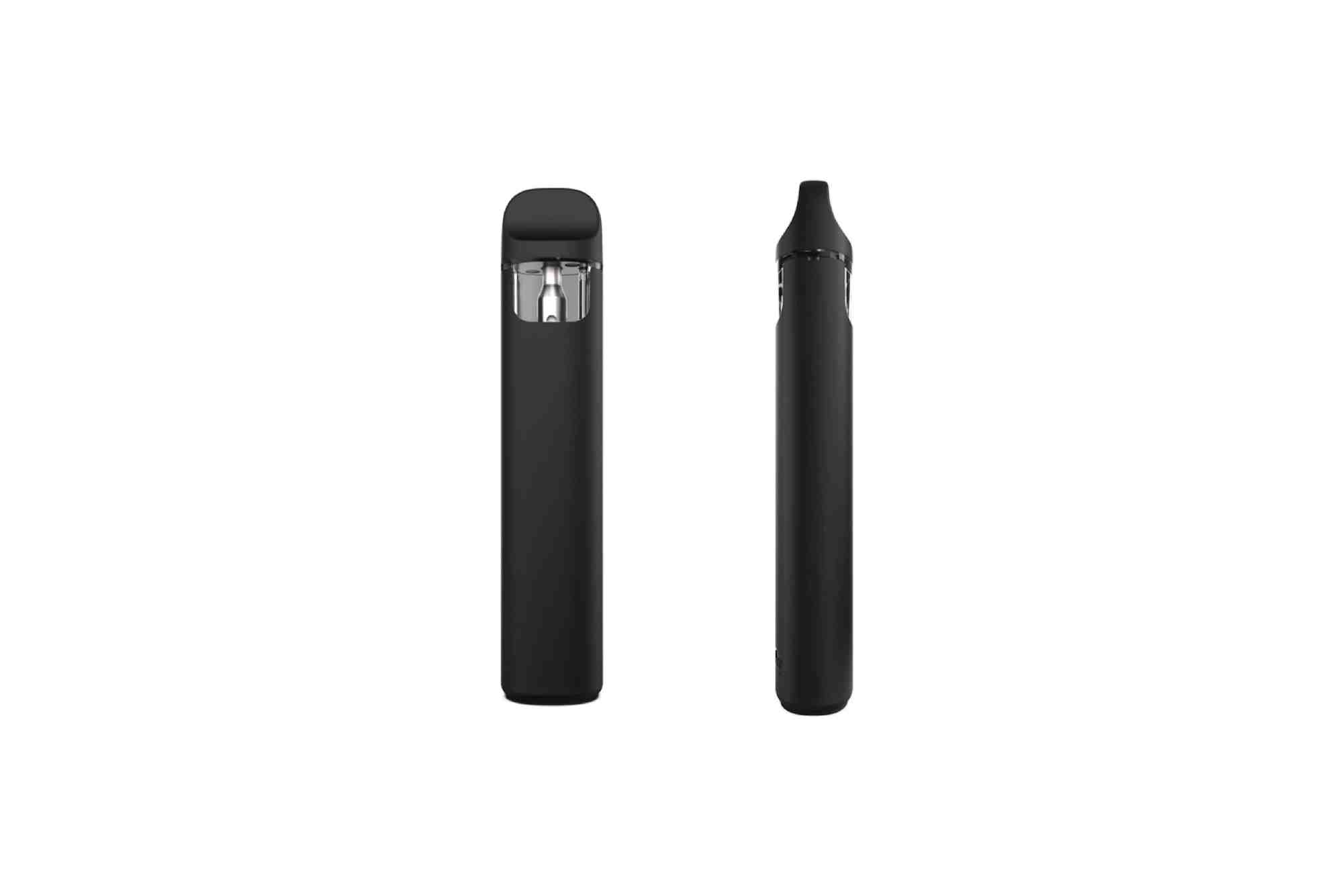
Understanding Vape Components: What You Need to Know
If you’re new to vaping or even moderately experienced, knowing what goes into your device is essential. The term vape components explained is more than just jargon—it’s your gateway to safer use, better performance, and smarter choices. Vapes have evolved from simple e-cigarettes to sophisticated devices with precision engineering. But beneath the design lies a set of key components that determine how your vape performs.
Understanding these components not only helps you operate your device efficiently but also ensures you troubleshoot issues, upgrade with purpose, and get the best out of every puff. In this guide, we break down the essential parts of a vape, how they function, and why each one matters.
The Power Source: Battery Basics
Every vape begins with power—and that power comes from the battery. It’s the heart of your device. Batteries in vape devices vary widely in size, power capacity, and features.
Internal vs. External Batteries
Some vape devices use built-in batteries, while others require external ones, like 18650s. Internal batteries are convenient, easy to recharge via USB, and perfect for beginners. External batteries offer more flexibility and power, making them suitable for advanced users. They also tend to last longer if cared for properly.
Regulated vs. Mechanical Mods
Regulated devices have built-in safety features and circuitry. These are great for users who want control over wattage, temperature, or voltage. Mechanical mods, on the other hand, lack electronics—they rely on raw battery power. While mech mods are powerful, they demand a thorough understanding of Ohm’s law and battery safety.
The Brain: Vape Chipsets and Control Boards
Modern vapes come with chipsets that control power flow, safety protocols, and customization settings. This component makes it possible to vape at variable wattages, monitor battery life, and fine-tune the experience.

Good chipsets ensure consistent output, fast firing, and protections against overheating or overcharging. Brands like DNA, GeekVape, and Voopoo offer highly reliable chipsets with advanced features for enthusiasts.
The Container: E-Liquid Tank or Pod
Next in our “vape components explained” journey is the tank or pod. This is the part that holds the e-liquid and delivers it to the heating element.
Tanks for Mods
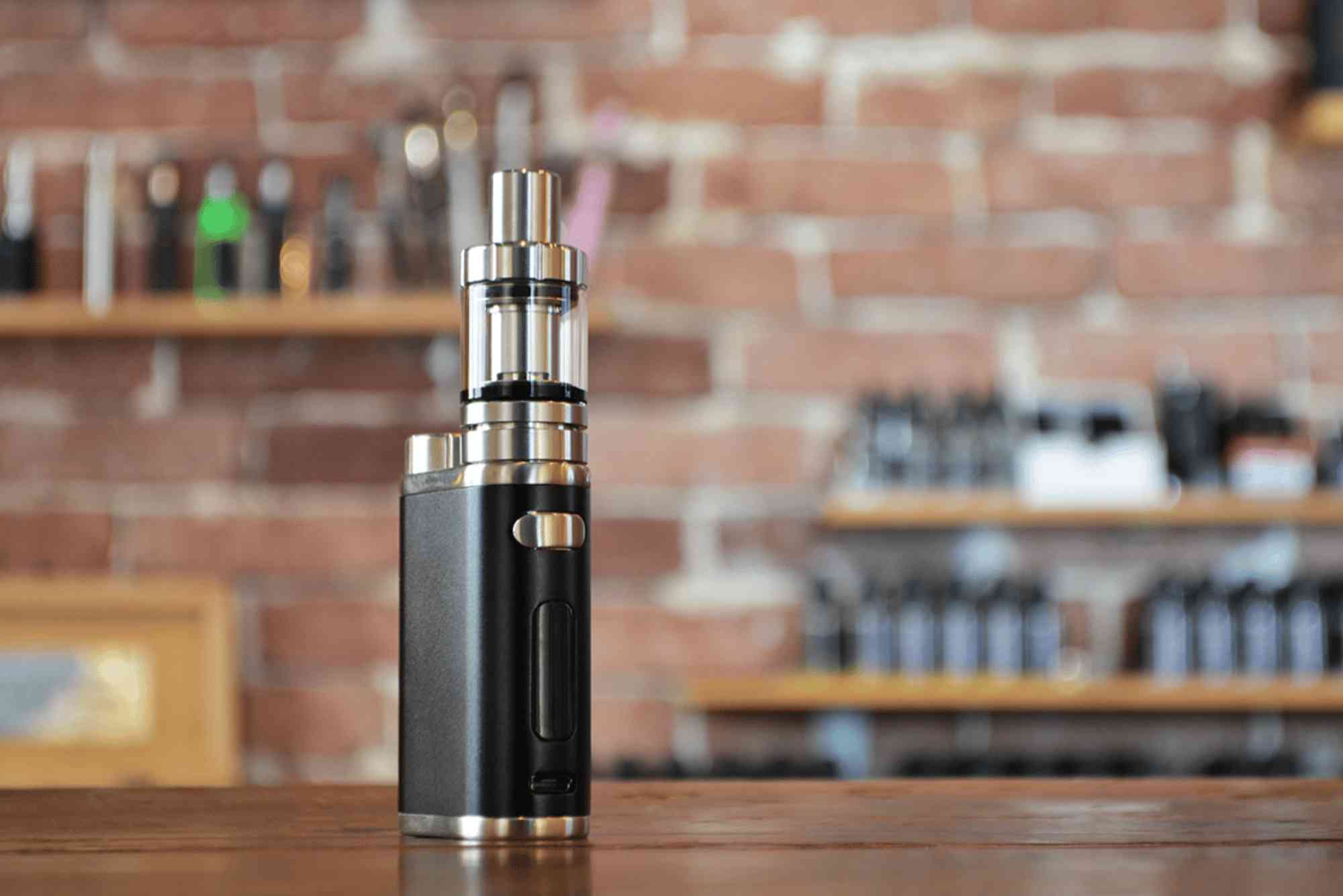
Tanks are typically used with box mods and come in various designs, from standard sub-ohm tanks to rebuildable ones. These feature a refillable glass reservoir and are topped with a drip tip or mouthpiece.
Pods for Pod Systems
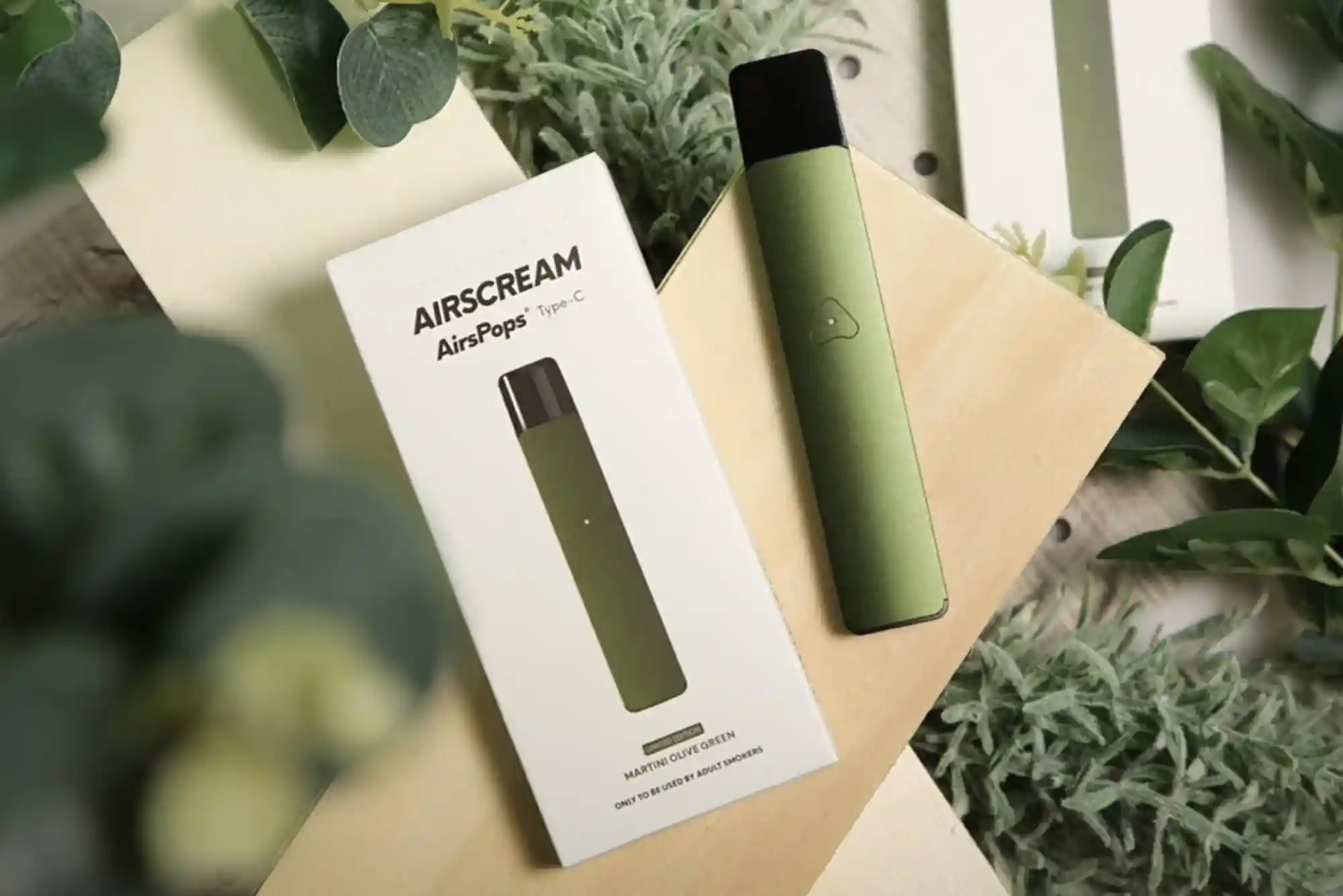
Pod systems use either pre-filled or refillable pods. They are compact, user-friendly, and often disposable after a certain number of uses. For those who prioritize portability and discretion, pod systems are ideal.
The Heater: Coil or Atomizer
The coil—or atomizer—is where the magic happens. This small but vital component heats up the e-liquid and transforms it into vapor.
What Are Vape Coils Made Of?
Most coils are made of wire (like Kanthal, stainless steel, or nichrome) wrapped around cotton wicking material. The wire conducts electricity and heats up, while the cotton draws in e-liquid.
Coil Resistance and Vaping Style
Low-resistance coils (sub-ohm) are great for direct-to-lung (DTL) vaping, producing large vapor clouds. Higher-resistance coils are better for mouth-to-lung (MTL) vaping, delivering a cigarette-like experience and conserving battery.
The Wick: Cotton and Other Materials
Inside the coil lies the wick—usually cotton. The wick absorbs e-liquid and delivers it to the heated coil for vaporization. Wicking material plays a key role in flavor delivery and vape consistency.
Some advanced users replace the cotton themselves in rebuildable atomizers, while others use disposable coil heads with pre-inserted wicking. Materials can vary, including organic cotton, ceramic, or mesh.
The Airflow System: Shaping the Draw
Airflow determines how your vape feels when you inhale. It also affects temperature, cloud production, and flavor.
Adjustable Airflow Rings
Many tanks and pods come with adjustable airflow rings at the base or top. These allow you to customize the draw—from tight and restricted to open and airy. Tighter airflow supports MTL vaping, while open airflow suits DTL vaping.
Air Pathways and Vortex Designs
Advanced tanks and pod systems may feature complex internal air channels. These optimize airflow for flavor and vapor balance. Some devices even use vortex airflow for a more refined draw.
The Mouthpiece: Drip Tip or Pod End
While it may seem like a minor part, the mouthpiece affects comfort and the temperature of the vapor. Wider mouthpieces work better for cloud chasers, while narrow ones offer a more cigarette-like experience.
Materials also vary: plastic, resin, metal, and even wood. Each type slightly changes the heat feel and flavor delivery.
The E-Liquid: Fueling the Experience
While not a hardware component, e-liquid is essential to understand in the context of Vape Components Explained. Your device is designed to work with a specific type of e-liquid based on viscosity, nicotine content, and ingredients.
PG/VG Ratio
Propylene Glycol (PG) and Vegetable Glycerin (VG) are the two base ingredients. PG gives a stronger throat hit and carries flavor better. VG is thicker and produces more vapor. Devices with small coils and tight airflow perform better with higher PG liquids.
Nicotine Types
There are two main types of nicotine in e-liquids: freebase and salt. Freebase is better suited for sub-ohm vaping with larger clouds, while salt nicotine is used in low-wattage pod systems and offers a smoother, more cigarette-like hit.
Safety Features: What Keeps You Protected
Modern vape components include built-in protections to ensure safety. Chipsets manage short-circuit prevention, temperature control, and battery cut-off limits. These features reduce the risk of device failure or user injury.
In regulated mods, safety features include:
- Low-resistance detection
- Over-discharge protection
- Overheat protection
- 10-second puff cut-off
These built-in mechanisms make regulated vapes a better option for most users, especially beginners.
Upkeep and Maintenance: Getting the Most Out of Your Device
Every vape component needs regular care to ensure longevity and optimal performance. Coils should be replaced every 1–2 weeks depending on usage. Pods can last longer but still need regular cleaning or replacement.
Battery contacts should be wiped clean to prevent misfiring. Tanks need periodic disassembly and washing, especially if changing flavors. By understanding your device’s parts, you’re better prepared to maintain it properly.
Choosing the Right Setup: Match Components to Your Needs
There’s no one-size-fits-all when it comes to vape components. Choosing the right setup depends on your vaping style—whether you prefer tight draws and high nicotine or big clouds and intense flavors.
Beginners might lean toward pod systems for ease of use. Enthusiasts might opt for box mods with customizable tanks and advanced chipsets. Understanding each part helps you choose a setup tailored to your goals.
Common Mistakes and Misunderstandings
Many new users experience problems due to poor understanding of how vape components work together. For instance, using high-VG juice in a low-wattage pod system can lead to dry hits. Installing a coil with too low resistance on a weak battery may cause misfires or damage.
Knowing how each component fits into the system prevents these issues. Always check compatibility between coil resistance, wattage range, and e-liquid type.
Knowledge Equals Power
When it comes to vaping, your experience is only as good as your understanding. By breaking down each element—from batteries to coils, airflow systems to e-liquids—you gain more than just knowledge. You gain control. And with control comes a more satisfying, safer, and cost-effective vape journey.
Next time you’re shopping for a device or troubleshooting an issue, refer back to this guide. Understanding vape components isn’t just about the tech—it’s about making better decisions every step of the way. Ready to upgrade or refine your setup? Explore devices with confidence—because now you know what makes them tick.
FAQ
What are the basic parts of a vape?
The main parts include the battery, chipset, tank or pod, coil, wick, airflow system, and mouthpiece.
What is the coil in a vape?
The coil is the heating element that vaporizes the e-liquid. It’s usually made of metal wire and cotton.
Why is airflow important in a vape?
Airflow affects how tight or loose the draw is, influences vapor temperature, and plays a role in flavor intensity.
Can I use any e-liquid with any vape?
No. High-VG e-liquids are best for sub-ohm devices, while high-PG or nicotine salts work better with pod systems.
How often should I replace the coil?
Coils should be replaced every 1–2 weeks, depending on usage and the type of e-liquid you use.
Are all vape batteries the same?
No. Vape batteries vary in capacity, output, and safety features. Always use batteries compatible with your device.