
The Role of Flavor in Vaping Satisfaction
Vaping has rapidly evolved from a smoking alternative to a full-fledged lifestyle for millions across the globe. While nicotine strength, device type, and vapor production matter, one element consistently ranks at the top of users’ priority lists: flavor. Vaping flavor satisfaction is more than just enjoying a sweet or fruity cloud — it plays a vital psychological and physiological role in shaping the overall vaping experience.
When users discuss what keeps them loyal to a particular vape brand or juice, flavor often comes up first. Whether it’s the nostalgic hit of vanilla custard or the tangy burst of tropical fruits, flavor is intimately connected to pleasure, craving control, and even smoking cessation success. In this article, we’ll dive deep into the role of flavor in vaping satisfaction, its psychological implications, and how it shapes user behavior.
Why Flavor Matters More Than You Think
Flavor isn’t just about taste; it’s about triggering emotional responses and sensory memory. Human brains are hardwired to respond to pleasurable stimuli, and taste is among the most powerful. For vapers, flavor directly influences satisfaction levels after each puff. A satisfying flavor profile can enhance mood, reduce stress, and even eliminate the urge to return to traditional tobacco.
How Flavor Enhances the Vaping Experience
The vaping experience is multisensory. You see the vapor, feel the throat hit, and most importantly, taste the flavor. When all three align, the satisfaction is heightened. If even one component is off — especially the flavor — the experience can feel incomplete or even disappointing.
This is particularly crucial for former smokers who rely on vaping to stay away from cigarettes. Many report that flavor variety helps them stay engaged and avoid relapse. In fact, surveys show that fruity, dessert, and mint flavors are among the top reasons people prefer vaping over smoking.
Psychological and Emotional Connection to Flavor
Flavor is deeply tied to memory and emotion. A familiar flavor can instantly transport you to a childhood moment, a favorite dessert, or a holiday gathering. This emotional resonance is a key driver of vaping flavor satisfaction. It makes vaping not only a nicotine delivery method but also an emotionally rich and personalized experience.

Moreover, flavor can impact how long users stick with vaping. When individuals find a flavor they love, they’re more likely to continue vaping and avoid returning to combustible tobacco. This is why brands invest so heavily in research and development for new, innovative flavor profiles.
The Role of Flavor Variety
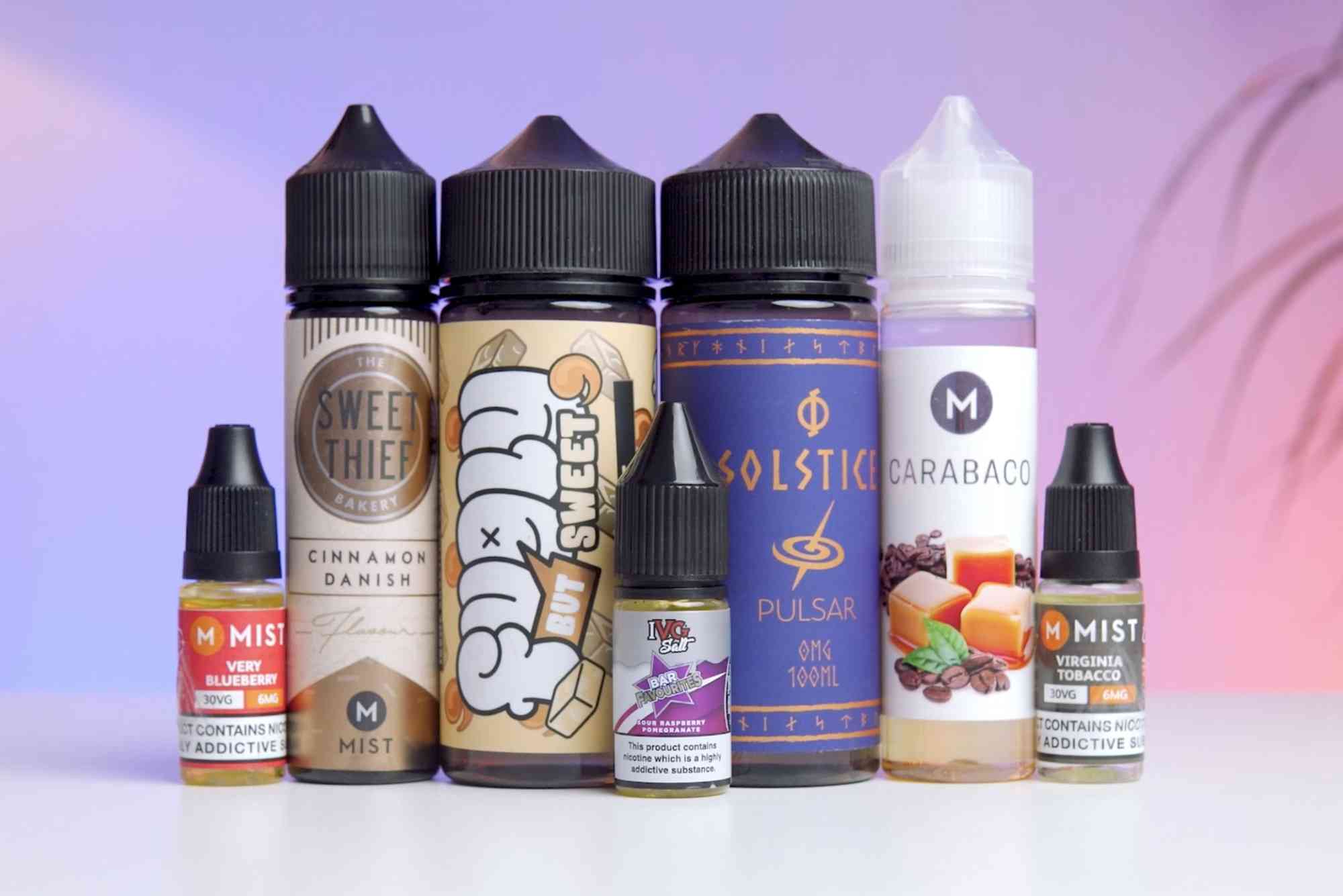
One of the unique aspects of vaping compared to smoking is the endless array of flavor options. While cigarettes largely taste the same, vapes can offer everything from classic tobacco to exotic mango lychee. This variety keeps the experience fresh and exciting.
Users often rotate between flavors to avoid what’s known as “flavor fatigue.” When someone uses the same flavor for too long, it becomes less enjoyable. By switching flavors regularly, vapers can maintain a higher level of satisfaction. This pattern of flavor rotation plays a big role in long-term vaping engagement.
Flavor and Smoking Cessation
The link between vaping flavor satisfaction and smoking cessation is a significant topic in both public health and industry discussions. Studies suggest that flavored vape products can be more effective than tobacco-flavored ones in helping users quit cigarettes. This is because enjoyable flavors can make vaping more rewarding and reduce the temptation to return to the harsh taste of tobacco.
In fact, many former smokers report that sweet or minty flavors helped them distance themselves from the memory and taste of cigarettes. Over time, this flavor satisfaction becomes a core part of their success in quitting smoking permanently.
The Science of E-Liquid Flavor Formulation
Crafting the perfect vape flavor is a complex science. Flavor chemists combine natural and artificial ingredients to create balanced e-liquids that perform well in different devices. Factors such as sweetness, sourness, throat hit, and vapor production must be considered.
PG (propylene glycol) and VG (vegetable glycerin) ratios also affect flavor delivery. A higher PG ratio typically delivers more intense flavor, while higher VG produces more vapor but a milder taste. Nicotine content can also influence flavor — higher strengths may mute subtler notes.
This scientific precision ensures users receive consistent, satisfying flavor experiences that align with their preferences and device setups.
How Flavors Influence Vaping Habits
Flavor doesn’t just enhance satisfaction — it influences how, when, and why people vape. A refreshing mint flavor might encourage someone to take a puff after a meal, while a dessert flavor could be preferred in the evening as a sweet treat.
Some users also use flavor as a behavioral tool. For instance, selecting a less desirable flavor can help reduce the urge to vape excessively. On the other hand, choosing a favorite flavor can serve as a reward or comfort during stressful moments.
This flexibility in flavor usage demonstrates the psychological depth of vaping flavor satisfaction and its role in managing nicotine habits.
Controversy and Regulation of Vape Flavors
Despite their popularity, flavored vapes have been at the center of regulatory debates. Governments and health authorities express concern that sweet or candy-like flavors might attract underage users. As a result, several regions have imposed restrictions or outright bans on flavored products.
However, adult users and advocacy groups argue that such bans could reduce vaping satisfaction and push former smokers back to cigarettes. For them, flavor variety is essential to maintaining a smoke-free lifestyle. Balancing public health concerns with user satisfaction remains a challenging policy issue.
User Preferences and the Search for the Perfect Flavor
Vapers often go through a journey of flavor exploration. What begins as a preference for tobacco may evolve into a passion for fruity, menthol, or dessert profiles. This search is part of what makes vaping a highly individualized experience.
Flavor satisfaction also differs by age group, region, and even gender. For example, younger users may prefer bold, tropical flavors, while older users may favor classic or subtle notes. Understanding these differences helps manufacturers cater to diverse user bases with targeted product offerings.
Flavor and Device Compatibility
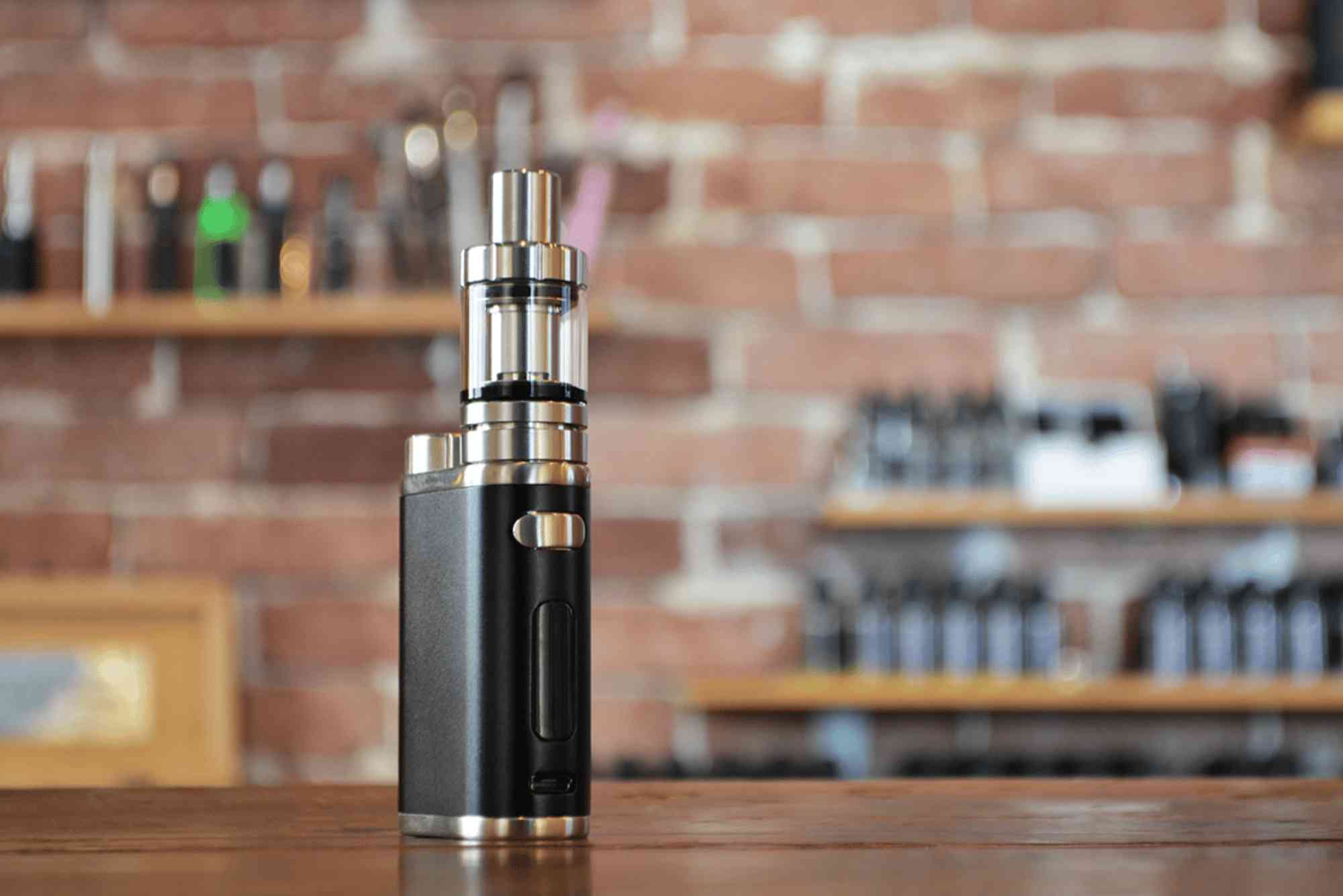
Not all devices deliver flavor the same way. Pod systems tend to emphasize flavor more than sub-ohm tanks, which are designed for large vapor clouds. Coil resistance, airflow settings, and wattage levels all influence how well a flavor performs.
Users seeking maximum vaping flavor satisfaction often experiment with different device setups to find the perfect combination of juice and hardware. This trial-and-error process is common among experienced vapers looking to optimize taste and satisfaction.
The Future of Flavor in Vaping
Innovation in vape flavors is not slowing down. New techniques like flavor layering and nanoemulsion technology are making e-liquids more complex and satisfying. Additionally, AI-assisted flavor formulation and feedback-driven customization could lead to personalized vape juices tailored to individual preferences.
As vaping continues to evolve, flavor will remain at the heart of the experience. It’s not just a feature — it’s the foundation of satisfaction, loyalty, and behavioral success for millions of users worldwide.
Why Flavor Satisfaction Shouldn’t Be Overlooked
In the world of vaping, flavor is more than a preference — it’s a driving force behind user satisfaction, behavioral change, and long-term engagement. Whether you’re a beginner choosing your first e-liquid or an experienced user searching for that perfect all-day vape, flavor plays a central role in how enjoyable and effective your vaping journey becomes.
If you’re new to vaping or looking to improve your experience, don’t underestimate the power of flavor. Explore different profiles, experiment with devices, and find what makes you truly satisfied. Your ideal vape is out there — you just have to taste it.
(FAQs)
What flavors are best for vaping satisfaction?
The best flavors for vaping satisfaction vary by personal taste. However, fruity, dessert, and menthol flavors are commonly favored due to their strong, pleasant profiles.
How do flavors affect vaping habits?
Flavors influence how often and when users vape. Pleasing flavors can encourage regular use, while dull or harsh ones may reduce satisfaction and usage.
Can flavor help people quit smoking?
Yes, many former smokers find that enjoyable flavors help them transition away from cigarettes. Sweet or minty profiles often make the switch easier by offering a more rewarding experience.
Why do some vapers switch flavors often?
Vapers switch flavors to avoid flavor fatigue — when a flavor loses its appeal after repeated use. Rotating flavors keeps the experience fresh and satisfying.
Are flavor bans affecting vaping satisfaction?
Flavor bans in some regions have reduced satisfaction for many users, particularly adults who relied on flavor variety to stay away from tobacco. These restrictions remain controversial.