
Allergy-Safe E-Liquids: What to Watch For
Vaping has become a popular alternative to traditional smoking. But for people with allergies or sensitivities, not all vape products are safe. Choosing vape allergy safe e-liquids is more than a lifestyle preference — it’s about health and well-being.
In this guide, we’ll explore what makes an e-liquid allergy-safe, the ingredients to avoid, how to read vape juice labels, and what steps you can take to enjoy vaping without discomfort. If you’ve ever experienced coughing, itching, or throat irritation while vaping, this article is for you.
Understanding Vape Allergies
When people react to vaping, it’s often not the vapor itself, but the ingredients inside the e-liquid that trigger the response. E-liquids typically contain a base (PG/VG), flavorings, and sometimes nicotine. Each of these components can potentially cause allergic reactions in sensitive individuals.
Common Symptoms of Vape Allergies
Vape allergy symptoms can vary in severity. Some may notice mild irritation, while others experience more serious reactions. Common signs include:
- Sore or itchy throat
- Persistent coughing or wheezing
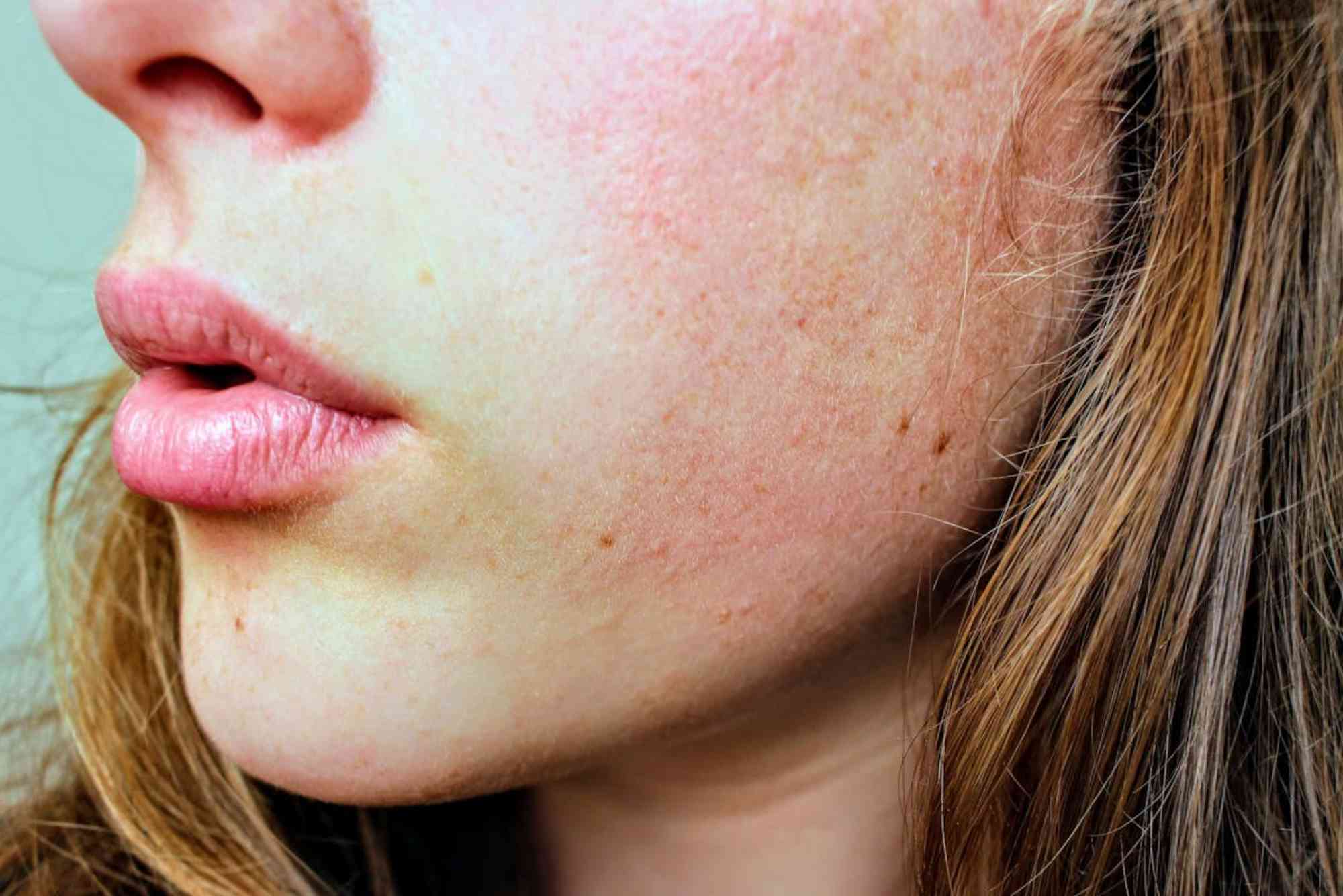
- Skin rashes or itching
- Shortness of breath
- Runny nose or sneezing
If these symptoms occur only when you vape, it may indicate an allergy to one or more ingredients in your e-liquid.
What Makes an E-Liquid Allergy-Safe?
An allergy-safe e-liquid is free from common allergens and irritants that can trigger reactions in sensitive users. There’s no universal standard for “vape allergy safe,” so you’ll need to examine the ingredients and manufacturing processes closely.

Propylene Glycol (PG) Sensitivity
PG is one of the two main base liquids used in e-juice. While it’s effective at carrying flavor, PG is also a known irritant and allergen for some people. It can cause dry mouth, throat irritation, and skin reactions.
If you suspect you’re sensitive to PG, look for max VG or 100% VG e-liquids, which use vegetable glycerin instead. VG is thicker, sweeter, and less likely to cause allergic reactions.
Artificial Flavorings and Additives
Many e-liquids use artificial flavors that contain hidden allergens. For example, diacetyl — once common in buttery or creamy flavors — has been linked to lung irritation. Certain cinnamon or citrus compounds may also cause irritation.
Allergy-safe vape juices often use natural flavors or food-grade ingredients that are more transparent and predictable. Look for brands that disclose complete ingredient lists.
Nicotine Reactions
Though rare, some users may experience reactions to nicotine itself, especially in higher concentrations. Symptoms like nausea, headaches, and palpitations may be signs of nicotine intolerance rather than allergy.
Nicotine-free e-liquids may be a safer choice for sensitive users. Start with lower concentrations and monitor your body’s response.
Contaminants and Quality Control
Poorly manufactured vape products may contain contaminants like residual solvents, heavy metals, or even mold. These can provoke allergic responses or respiratory irritation.
Choose vape allergy safe e-liquids from reputable brands that follow strict lab testing and quality control standards. Certifications like ISO or GMP compliance are a good sign.
How to Read Vape Juice Labels
When shopping for allergy-safe e-liquids, label reading is key. However, not all brands provide full transparency. Here’s how to decode what’s safe:
- Look for labels that say “100% VG” or “PG-free”
- Avoid vague terms like “natural flavors” unless the ingredients are listed
- Choose products with lab test results or certificates of analysis
- Prefer e-liquids that are free from known allergens like nuts, dairy, or gluten if you have food sensitivities
Don’t hesitate to contact the manufacturer for more detailed ingredient breakdowns. Responsible brands are usually happy to share that information.
Choosing the Right Brand
Some vape juice brands are known for catering to sensitive users. These companies typically offer minimal-ingredient or organic options, tested for purity and made in allergen-free facilities.
Look for customer reviews that mention allergy-friendly experiences, and check if the brand emphasizes health-conscious formulations. The more transparent the brand, the more likely their product is genuinely vape allergy safe.
Steps to Vape Allergy-Safe
If you’re new to vaping or have had past reactions, take a cautious approach. Here are some best practices to protect your health while still enjoying vaping:
Start Simple
Begin with a single-flavor e-liquid that uses VG as a base and contains no nicotine. This allows you to isolate any reactions more easily.
Monitor Your Body
Pay close attention to how your body responds during and after vaping. If you experience discomfort, stop and note which product you used. Consider keeping a vape diary to track any symptoms or improvements.
Consult a Medical Professional
If you have asthma, respiratory conditions, or known allergies, talk to a doctor before vaping. An allergist can run tests to identify specific triggers.
Keep Equipment Clean
Regularly clean your vape device. Residue from previous e-liquids or coil buildup can introduce irritants even if you switch to allergy-safe products.
The Role of DIY E-Liquids
For users who are extremely sensitive or cautious, DIY e-liquids offer full control. You can choose pure VG, omit nicotine, and use food-safe natural flavorings that you’ve vetted yourself.
However, DIY requires research, precision, and safety practices. Improper mixing or contamination can lead to more harm than help. If you’re considering this route, start with simple recipes and consult online communities for trusted advice.
Vape Allergy Safe Doesn’t Mean Risk-Free
It’s important to remember that even “safe” e-liquids carry some level of risk. Inhaling any foreign substance can potentially irritate the lungs or immune system. The key is to reduce harm, stay informed, and make thoughtful choices.
People with severe allergies or chronic conditions should approach vaping with caution or avoid it altogether. Always prioritize your health over convenience or social habits.
FAQs
What vape is best for allergies?
Vapes using 100% VG e-liquids with no nicotine and natural flavors are generally best for people with allergies. Look for lab-tested, allergen-free products.
Can you be allergic to vape juice?
Yes, some people react to ingredients like propylene glycol, artificial flavorings, or nicotine in vape juice. Symptoms can range from mild to severe.
How do I know if I’m allergic to vaping?
If you experience throat irritation, skin rash, or breathing issues after vaping, you may have an allergy. Try switching to allergy-safe options and consult a doctor.
Are there hypoallergenic e-liquids?
Some brands offer minimal-ingredient or organic e-liquids designed for sensitive users. They often avoid PG, artificial flavors, and allergens.
Can vaping cause skin allergies?
Yes, especially if your skin comes into contact with leaked e-liquid containing irritants. PG and certain flavorings are common culprits.